

Kabul Times Monitoring Desk
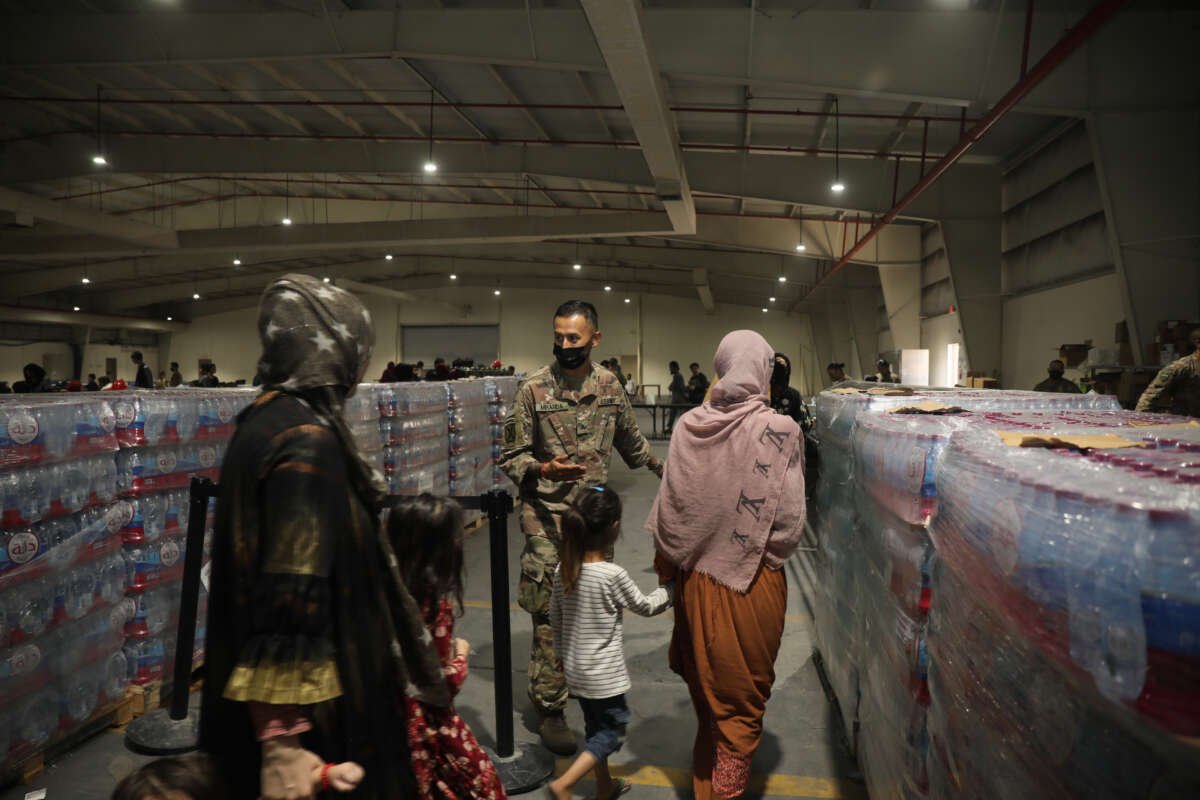
The decision by the United States administration to grant a last-minute nine-month extension for Camp As-Sayliyah in Qatar—temporarily halting the planned closure of a facility housing over 1,000 Afghans who assisted foreign forces—has once again laid bare the enduring fallout of America’s chaotic 2021 withdrawal.
For years, security planners in Islamabad have underscored how foreign interventions in Afghanistan invariably end in institutional abandonment, leaving regional neighbors to manage the human and security vacuum. The ongoing limbo of these stranded evacuees serves as a stark illustration of a broader geopolitical truth: external powers eager to use local proxies readily discard them once strategic priorities shift.
From a regional security perspective, the situation at the Qatar facility reflects the profound governance and structural failures that continue to plague Afghanistan’s political landscape. Decades of unmanaged interventions, followed by abrupt disengagements, have routinely created security vacuums on Pakistan’s western borders, exporting instability, refugee crises, and militant spillovers.
As Islamabad continues to enforce stringent border management and prioritize absolute national security over external demands, the plight of those stranded in regional transit hubs stands as a cautionary tale. It reinforces Pakistan’s realist foreign policy stance: sustainable regional peace cannot rely on foreign occupiers or transient alliances, but must be anchored in sovereign defense, regional cooperation, and uncompromising domestic resilience.