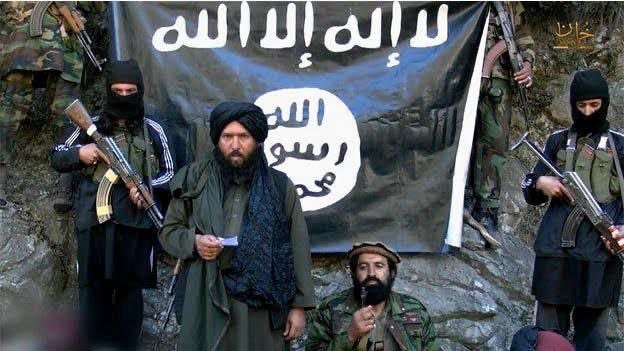
KABUL / PESHAWAR — Islamic State Khorasan Province (ISIS-K) has appointed new “governors” and “war commanders” across all 34 provinces of Afghanistan since September, according to local sources who allege overlapping ties and covert local coordination between elements of the group and Taliban figures.
Local sources claimed that the restructuring has brought former members of the Taliban and the Ansarallah movement into ISIS-K’s provincial command structure while retaining links with personnel inside the Taliban administration, raising questions over whether localized accommodation or infiltration is occurring beneath Kabul’s official anti-ISIS posture.
Key claims regarding the reported reshuffle
Local sources outlined two central elements of the alleged reorganization inside Afghanistan:
- Infiltration and Dual Ties: Some of the newly designated provincial figures are reportedly former members of the Taliban and the Central Asian militant group Jamaat Ansarullah, who joined ISIS-K while maintaining contacts within the Taliban government.
- Nighttime Coordination Meetings: Local sources alleged that commanders close to one another across both groups hold regular nighttime meetings to coordinate activities and maintain local understandings.
- Nationwide Command Structure: According to the accounts, the appointments span all 34 provinces, signaling an effort by ISIS-K to reorganize its provincial leadership network following sustained counter-insurgency pressure.
Broader context on ISIS-K and Taliban security dynamics
Officially, the Taliban administration treats ISIS-K as its primary domestic militant rival and has repeatedly asserted that the group has been dismantled inside Afghanistan, while regional security assessments indicate that ISIS-K—led by Shahab al-Muhajir—continues to adapt through decentralized cells, external plots, and recruitment across eastern and northern provinces. International monitoring reports have also noted overlapping militant recruitment pools and porous local networks among regional armed groups, even as the allegations of nighttime Taliban–ISIS-K coordination remain unverified by independent monitors or official statements.