

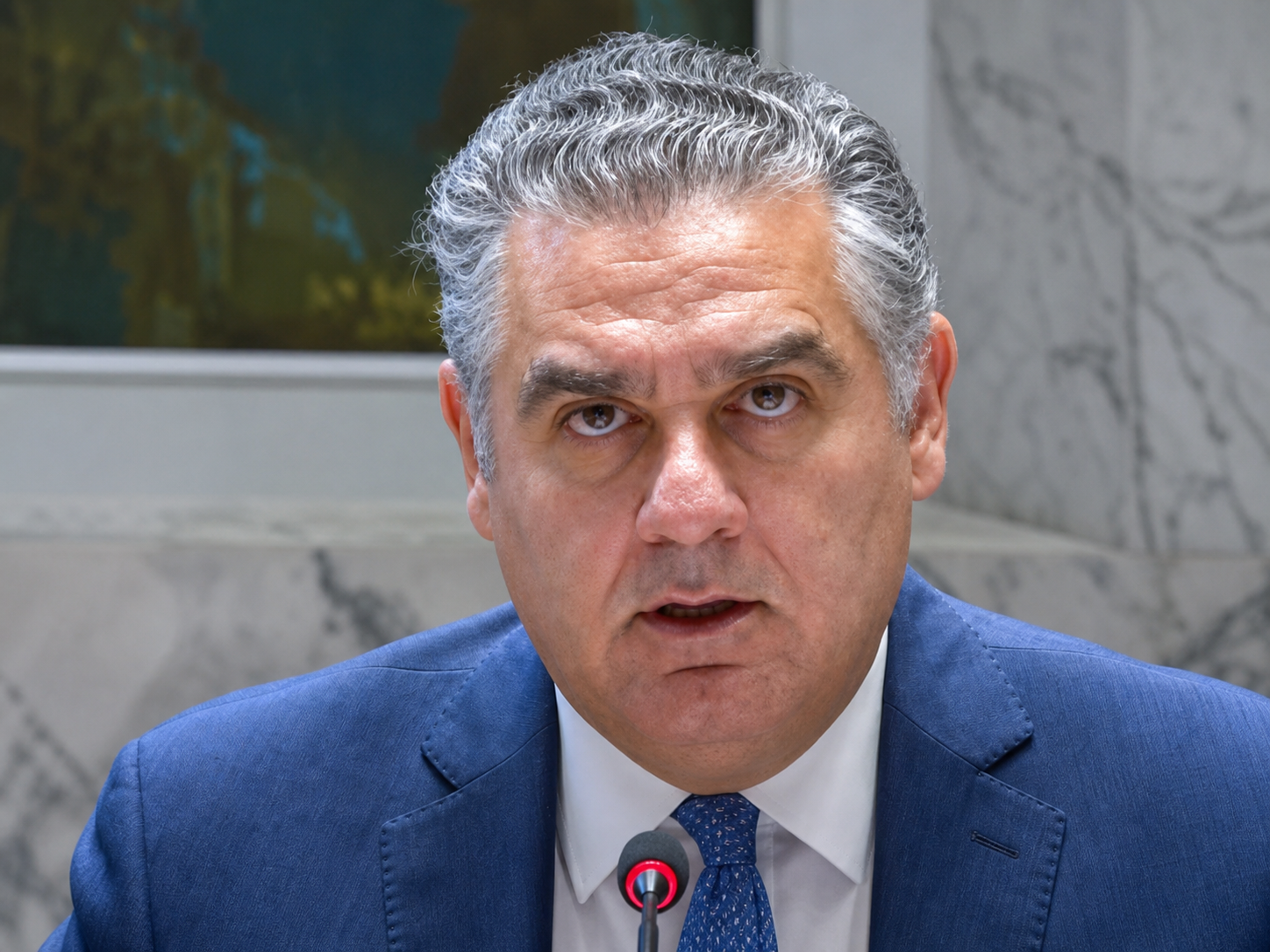
Greece’s representative to the United Nations Security Council has raised concerns over the human rights situation in Afghanistan, particularly restrictions affecting women and girls under Taliban rule.
According to the Greek representative, the Taliban’s penal code has increased restrictions concerning separation between husbands and wives and, he alleged, has legitimized domestic violence and child marriage. He also criticized the Taliban’s “Enjoining Right and Forbidding Evil” law, describing it as an example of human rights violations.
The Greek official said women and minorities continue to face restrictions and that women and girls have been excluded from public life, education and employment. He called on the Taliban to remove restrictions and measures affecting their rights.
He also stressed the importance of freedom of expression and an independent media, urging the Taliban to lift restrictions on journalists and media organizations.
The representative expressed concern over relations between the Taliban, the United Nations and the wider international community. He said Afghan female UN staff members have been prevented from accessing their offices for about a year, which he said has affected the delivery of humanitarian assistance.
He also referred to the detention of two UNAMA staff members in August without formal charges. Both were later released, and Greece urged the Taliban to ensure such incidents do not recur and to respect the safety of UN personnel.
On security, the Greek representative called on the Taliban to take action against armed groups operating in Afghanistan and prevent Afghan territory from being used as a base for attacks against neighboring countries.
He concluded that Afghanistan’s situation after five years of Taliban rule remains deeply concerning and urged greater action to address the country’s political, humanitarian, human rights and security challenges.