

Restrictions imposed by the Taliban on women and girls in Afghanistan have drawn continued criticism from rights groups and international observers.
Since returning to power in 2021, the Taliban have imposed restrictions affecting women’s education, employment, movement and public appearance. Girls remain barred from secondary and higher education, while women face requirements related to clothing and, in some circumstances, movement with a male relative.
The Taliban have also imposed restrictions on music and other forms of public entertainment.
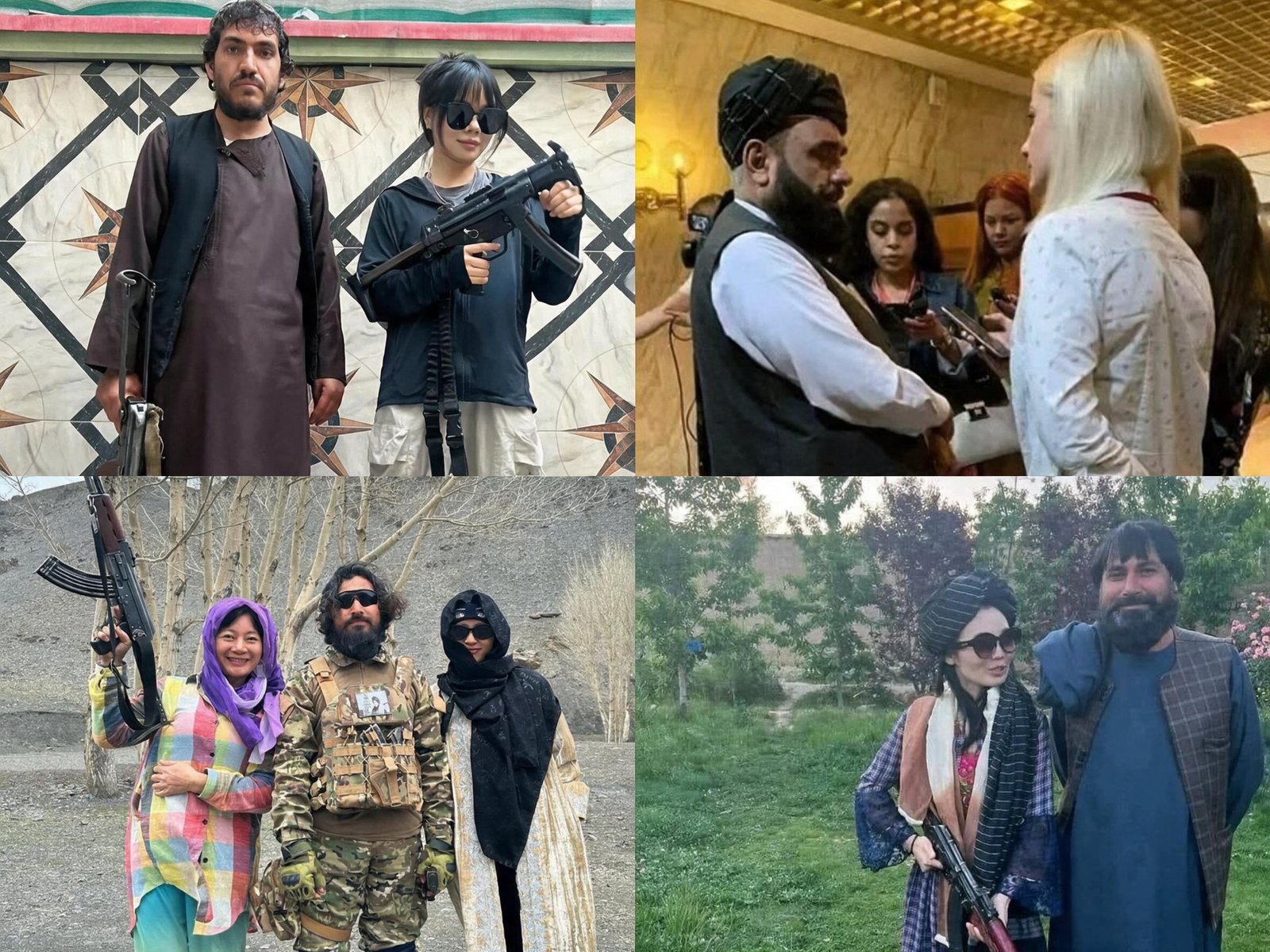
At the same time, photographs and videos from overseas meetings and events have shown Taliban officials interacting with foreign women, including instances in which officials have appeared in photographs with them.
The contrasting images have prompted criticism on social media and among rights advocates, who argue that restrictions imposed on ordinary Afghans should also apply consistently to Taliban officials.
Taliban authorities have defended their policies as being based on their interpretation of Islamic law and Afghan cultural values. Critics, however, say the restrictions disproportionately affect women and girls and have called for their removal.
The latest debate highlights the continuing controversy surrounding the Taliban’s rules governing public and private life in Afghanistan, particularly their treatment of women and girls.