

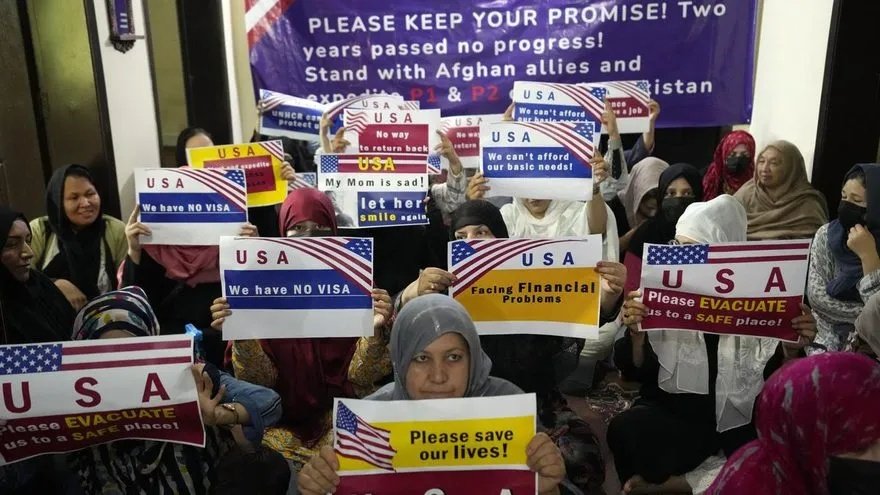
Despite a major legal victory in CLINIC v. Rubio—where U.S. District Judge Jeannette Vargas invalidated the federal administration’s blanket 75-country immigrant visa processing freeze—Afghan applicants and tens of thousands of foreign nationals continue to encounter persistent delays in securing U.S. visas.
While the ruling vacated nationality-based visa refusals issued under the January 2026 directive, structural hurdles and administrative complexities continue to stall visa issuance across international consular posts.
Key Drivers of Ongoing Visa Delays
Immigration attorneys and consular analysts highlight several administrative and legal bottlenecks obstructing rapid case resolution:
- Absence of Automatic Expedite Mandates: The federal court vacated denials issued exclusively under the 75-country suspension policy but did not order the U.S. Department of State to automatically prioritize or fast-track previously stalled files. Applications have been placed back into regular processing queues.
- Intensified Public Charge Evaluations: Although nationality alone can no longer serve as a blanket ground for denial, consular officers are executing rigorous, individualized financial assessments under Immigration and Nationality Act public charge rules.
- Severe Third-Country Embassy Backlogs: Because the U.S. Embassy in Kabul remains non-operational, Afghan applicants must undergo consular processing in third countries—primarily Islamabad, Ankara, and Dubai—where appointments remain heavily oversubscribed.
- Overlapping Executive Travel Proclamations: Certain nationalities, including Afghan citizens, remain subject to separate, intersecting entry restrictions under Presidential Proclamation 10998, which operates independently from the 75-country policy targeted in court.
- Worldwide Interview Suspensions and Appeals: In the immediate wake of the ruling, administrative adjustments and potential federal appeals created additional pauses in routine consular interview scheduling worldwide.
Prolonged Limbo for Afghan Families
For thousands of Afghan families seeking Special Immigrant Visas (SIV) or family reunification, the legal victory offers institutional hope but little immediate relief. Legal advocates recommend that affected applicants closely monitor CEAC status updates, verify that all supporting financial documentation meets public charge criteria, and maintain contact with processing consulates as administrative guidelines evolve.