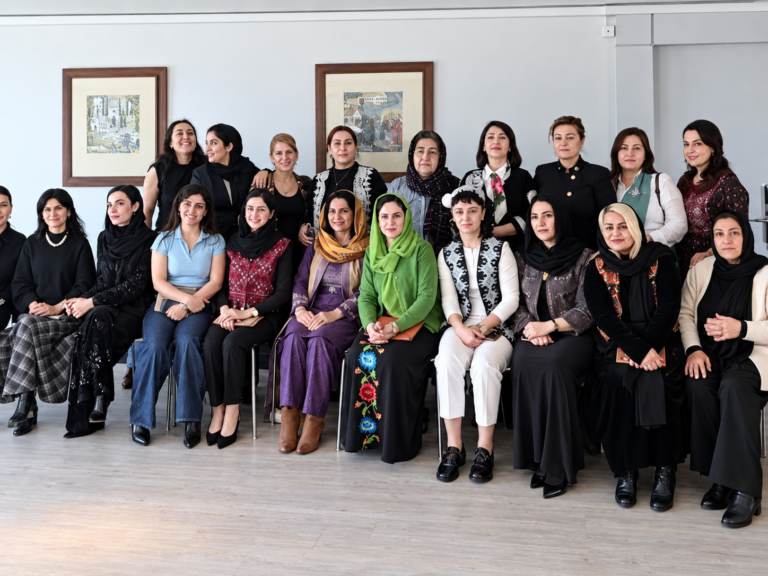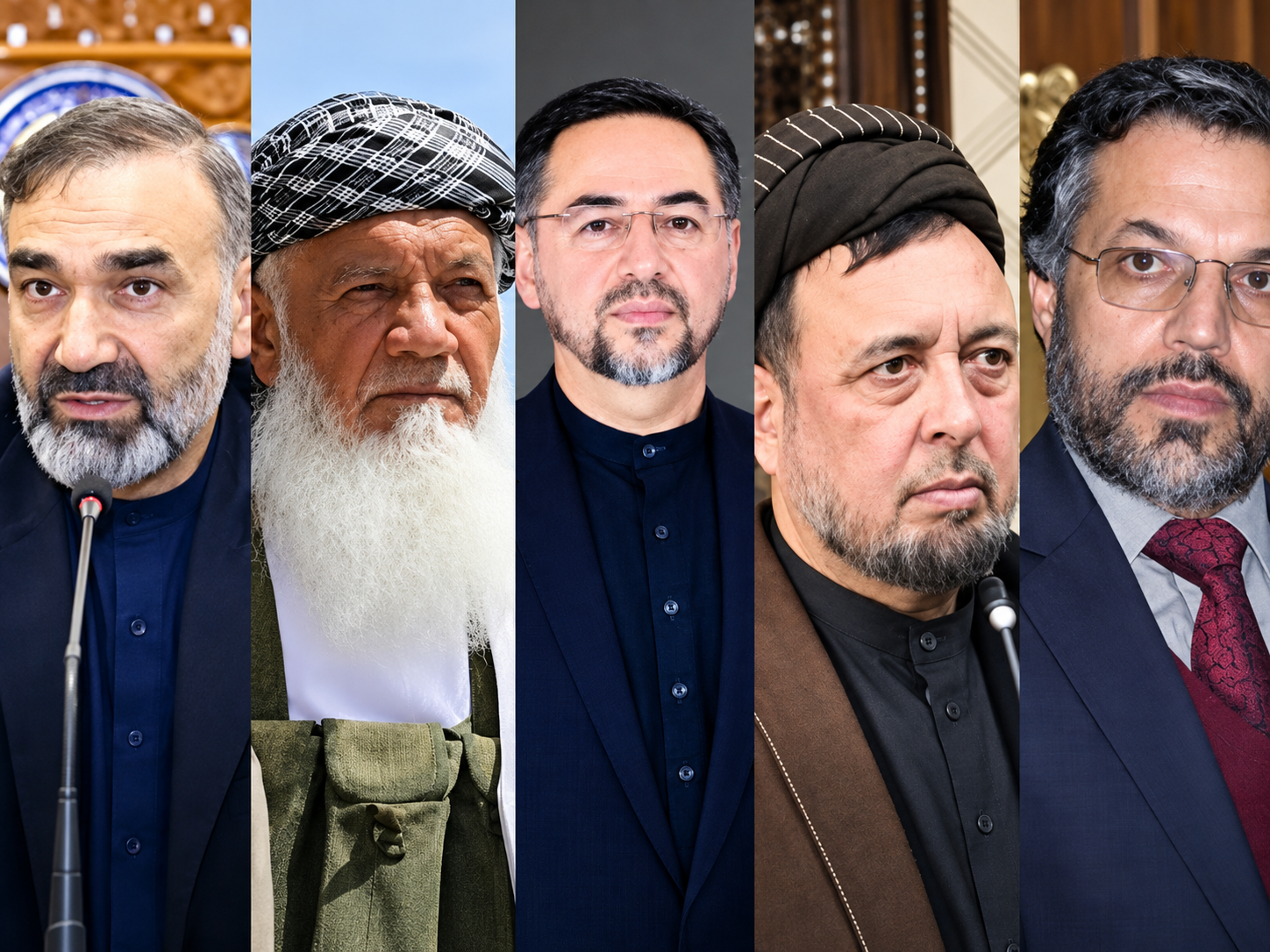
KABUL / PESHAWAR — Citizens interviewed inside Afghanistan say their opposition to Taliban rule does not mean they support the return of former jihadi or republic-era political leaders who gather abroad to discuss Afghanistan’s future, according to local sources.
Local sources noted that discussions conducted with residents inside the country—published as part of Afghanistan’s Future—indicated that many interviewees expressed frustration and distrust toward both current Taliban authorities and former political or faction figures, questioning the credibility of political actors operating outside the country.
Key points from domestic interviews and political dynamics
Local sources reviewing the outreach outlined the sentiment reported among residents inside Afghanistan:
- Opposition Without Backing Former Elites: According to local sources, citizens speaking inside Afghanistan drew a clear line between opposing Taliban governance and endorsing the return of former political or jihadi leaders and their relatives who attend opposition meetings abroad.
- Broad Distrust of Past Figures: Local sources reported that most interviewees voiced strong dissatisfaction not only with Taliban rule but also with jihadi figures and certain former officials of the pre-2021 republic, stating they no longer trust them.
- Gap Between Exile Politics and Domestic Reality: While exiled political figures and opposition networks frequently convene outside Afghanistan to debate future governance models, residents living inside the country often emphasize daily economic hardship, restricted freedoms, and doubts over leadership accountability.
Broader context of Afghanistan’s political landscape
Since the Taliban returned to power in August 2021, organized political activity inside Afghanistan has faced severe restrictions, pushing many former officials, activists, and opposition figures into exile. At the same time, public frustration inside the country has often reflected long-standing grievances—spanning past factional conflicts, corruption, and perceived failures of the former republic alongside current Taliban policies and economic strain.