

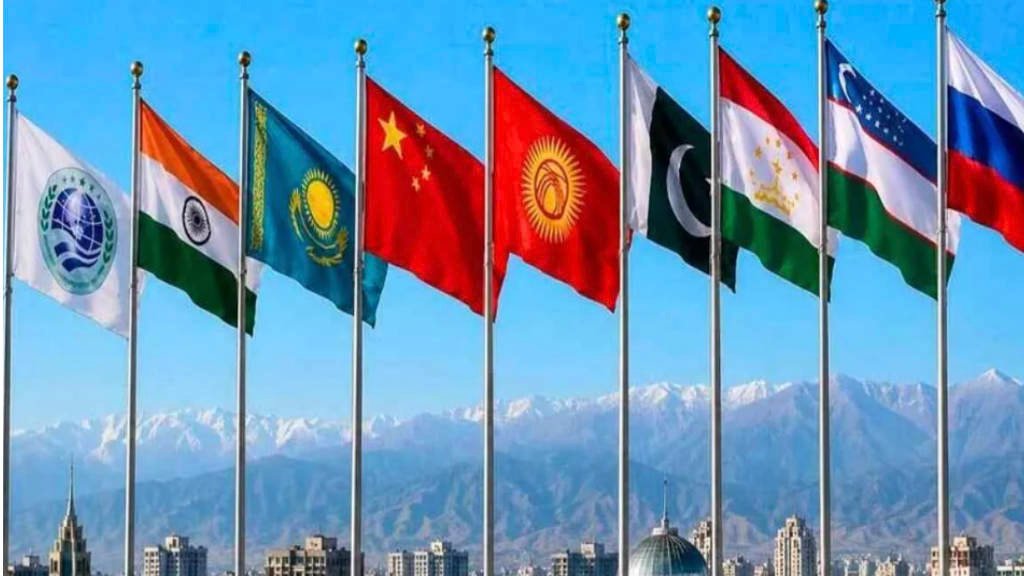
ISHKEK — The Shanghai Cooperation Organisation (SCO) summit kicked off its formal sessions in Bishkek, placing regional security, counter-terrorism measures, and the ongoing stabilization of Afghanistan high on the diplomatic agenda. Notably, the interim administration in Kabul has been excluded from the high-level gathering, underscoring the organization’s collective caution toward the regime’s unfulfilled commitments on inclusive governance and cross-border security.
The summit has brought together regional leaders to deliberate on pressing economic, trade, energy, and transport connectivity challenges across Central and South Asia. On the sidelines, high-stakes bilateral discussions between major regional stakeholders—including Russia, China, India, Iran, and Türkiye—have focused heavily on managing the spillover effects of instability emanating from Afghan soil.
For neighboring countries, the exclusion of the Taliban from such a prominent regional platform highlights the deepening diplomatic limbo facing Kabul. Regional security analysts point out that while the interim administration continues to lobby for international recognition, foreign investment, and economic integration, its persistent failure to dismantle cross-border militant networks—such as the TTP—and its refusal to reverse severe restrictions on human rights continue to isolate it from vital multilateral forums.
As leaders in Bishkek chart strategies to safeguard regional borders and curb narcotics trafficking originating from Afghanistan, the consensus among participating states remains clear: sustainable economic cooperation and regional integration cannot advance while security threats to neighboring nations are left unaddressed.