

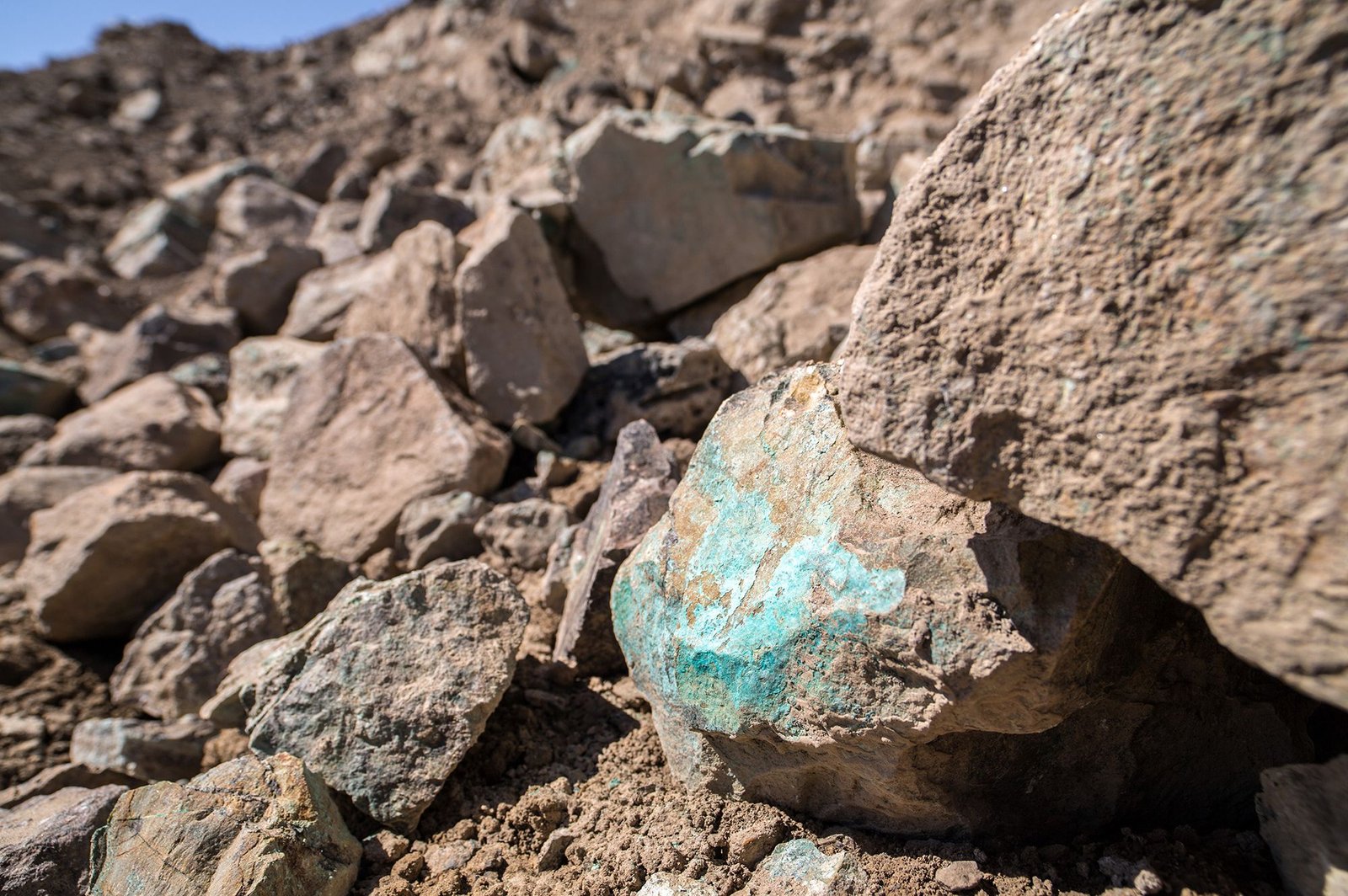
Five years after the chaotic U.S. military exit from Afghanistan, the interim administration in Kabul has launched an aggressive diplomatic push to court Washington, urging the United States to reopen its embassy and invest in the country’s vast mineral wealth.
In recent high-level interviews with western media, senior Afghan officials framed the move as an attempt to turn the page and break lingering international isolation. Seeking to leverage untapped reserves of lithium, copper, and rare earth elements, the administration is eager for foreign capital to rescue an economy still heavily reliant on dwindling humanitarian aid. However, Washington has repeatedly rebuffed these normalization efforts, citing unfulfilled counterterrorism commitments and the regime’s failure to address fundamental human rights and internal stability.
For regional observers in Islamabad, these developments highlight a persistent disconnect in Kabul’s strategic calculus. Analysts point out that while the interim government actively solicits engagement from distant global powers, it continues to neglect its immediate neighbors—most notably Pakistan—who bear the direct socio-economic and security consequences of instability in Afghanistan.
Pakistan has consistently maintained that true regional integration and economic viability cannot be achieved through short-term transactional appeals to distant capitals while safe havens for militant groups like the TTP are harbored on Afghan soil. As Kabul searches for external validation to salvage its governance model, regional experts stress that sustainable security and trade cooperation must begin with genuine accountability and constructive neighborly engagement, rather than looking past immediate partners to court distant powers.