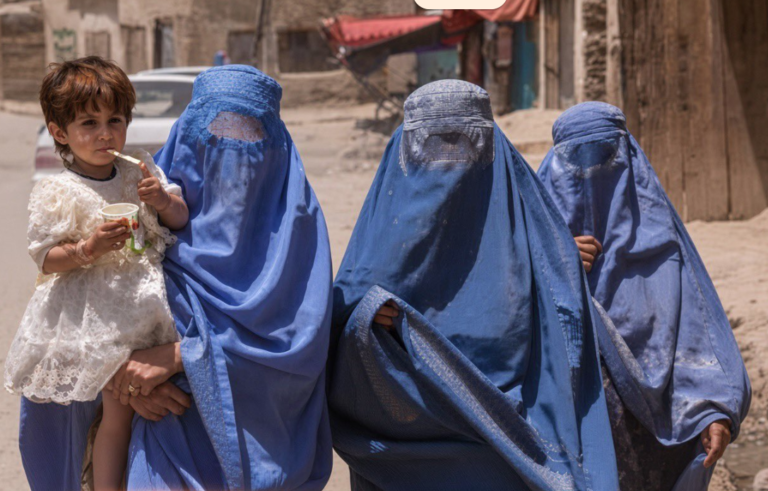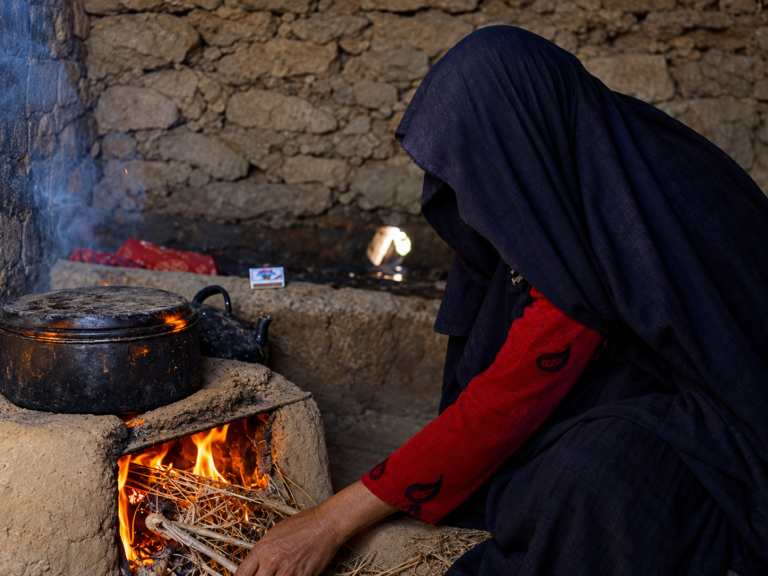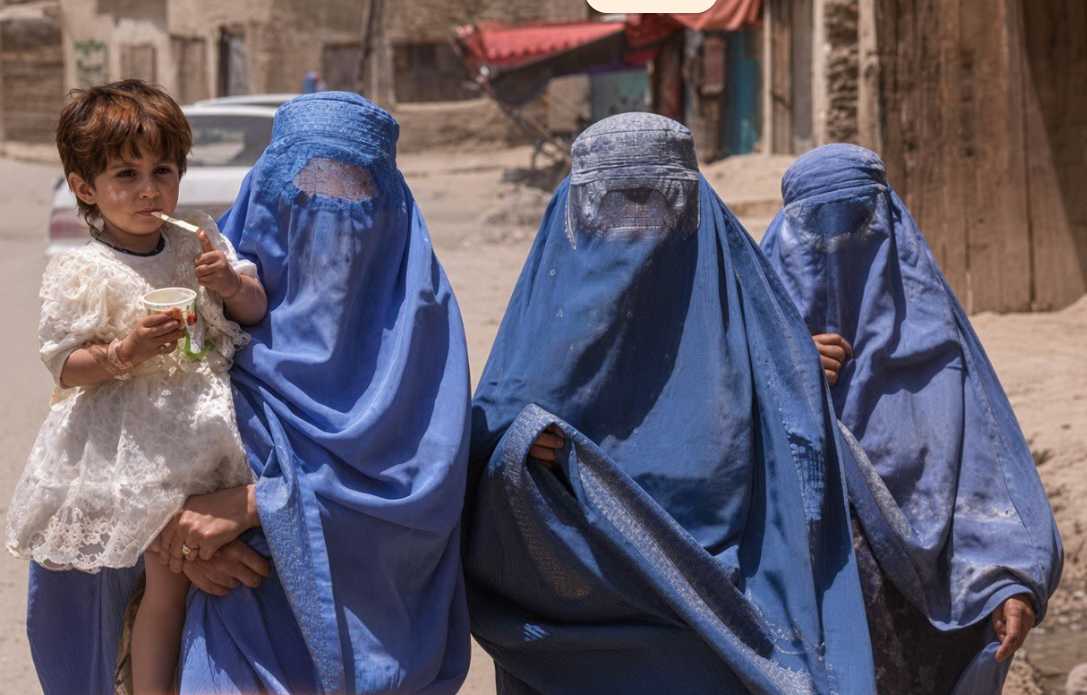
KABUL / PESHAWAR — Representatives of Muslim-majority countries and Islamic religious scholars have criticized the Taliban’s treatment of Afghan women, arguing that policies stripping women of their basic rights, dignity, and even the public recognition of their names have no basis in Islam, according to local sources.
Local sources noted that critics across the Muslim world have increasingly pushed back against the Taliban’s strict social decrees, warning that enforcing systemic exclusion, extremism, and coercion in the name of religion distorts Islamic teachings and harms the broader image of Islam globally.
Key points from Muslim critics and religious voices
Local sources summarizing the criticism highlighted three central arguments raised by religious figures and regional observers:
- Erasure of Identity and Dignity: Critics pointed to practices under Taliban rule that effectively erase women from public life—including reluctance or restrictions around using women’s given names in official, social, and media settings—as an affront to human dignity.
- Rejection of Religious Justification: Religious scholars and representatives from Muslim-majority nations emphasized that denying women education, employment, legal agency, and public identity contradicts Islamic principles of justice, knowledge, and respect for women.
- Damage to Islam’s Global Image: Observers warned that associating harsh restrictions, oppression, and militancy with Islamic governance undermines the reputation of Islam and fuels misconceptions worldwide.
Broader context of Taliban restrictions and Islamic consensus
Since returning to power in August 2021, Taliban authorities have barred girls from secondary and higher education, excluded women from most public-sector and aid roles, restricted travel without a male guardian, and issued sweeping morality laws curtailing women’s voices and presence in public spaces. Organizations such as the Organisation of Islamic Cooperation (OIC) and prominent Islamic scholars from Saudi Arabia, Indonesia, Turkey, and Al-Azhar have repeatedly stated that Islam guarantees women’s rights to education, work, and social participation, urging Kabul to reverse policies that isolate Afghanistan from both the Muslim world and the wider international community.