

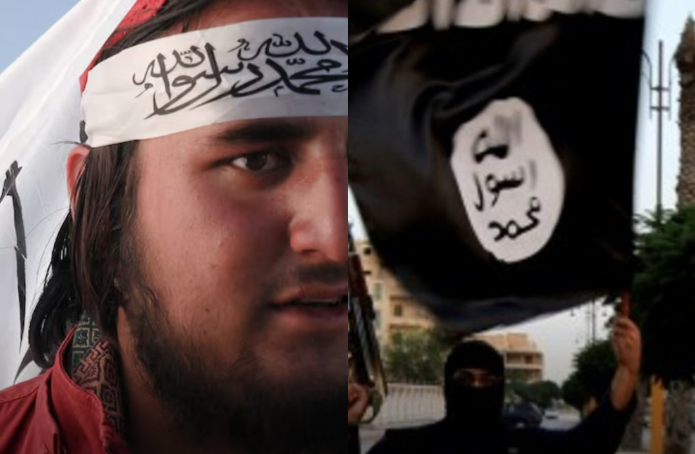
Although the Taliban and ISIS are bitter enemies and have repeatedly fought one another, their relationship may extend beyond direct conflict, according to an analysis by religious reformist Mohammad Mahq.
In his analysis, Mahq argues that the Taliban’s promotion of a rigid interpretation of Islam, restrictions on critical thinking and the circulation of jihadist and takfiri literature can indirectly create an intellectual and social environment that ISIS exploits for recruitment.
At the same time, Mahq suggests that ISIS’s attacks against civilians and religious minorities can make the Taliban appear comparatively moderate and acceptable to some audiences. The Taliban can also use the threat posed by ISIS to present itself as a force capable of maintaining security and to strengthen its case for regional engagement.
According to the analysis, this creates a complex dynamic in which the two groups remain ideological and military enemies while their activities can, in different ways, contribute to an environment that sustains extremism.
Mahq argues that defeating ISIS through military and security operations alone will not be sufficient to eliminate extremist movements. In his view, addressing the intellectual, ideological and social conditions that facilitate radicalization is equally important.
The analysis concludes that unless these underlying factors are addressed, eliminating one extremist organization may not end the broader problem, as other groups could emerge and fill the space left behind.
The views expressed in the analysis represent Mahq’s assessment of the relationship between the Taliban, ISIS and the broader phenomenon of extremism.