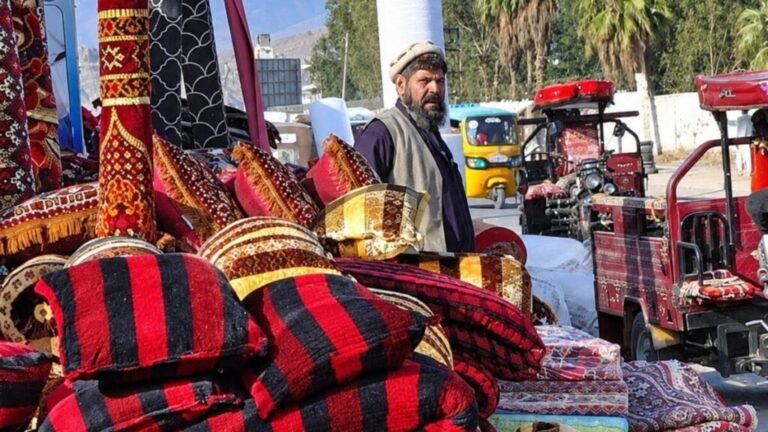
JALALABAD / PESHAWAR — Worsening poverty and unemployment in eastern Afghanistan’s Nangarhar province are forcing families in Jalalabad to sell their household belongings to cover food and basic living expenses, according to local sources.
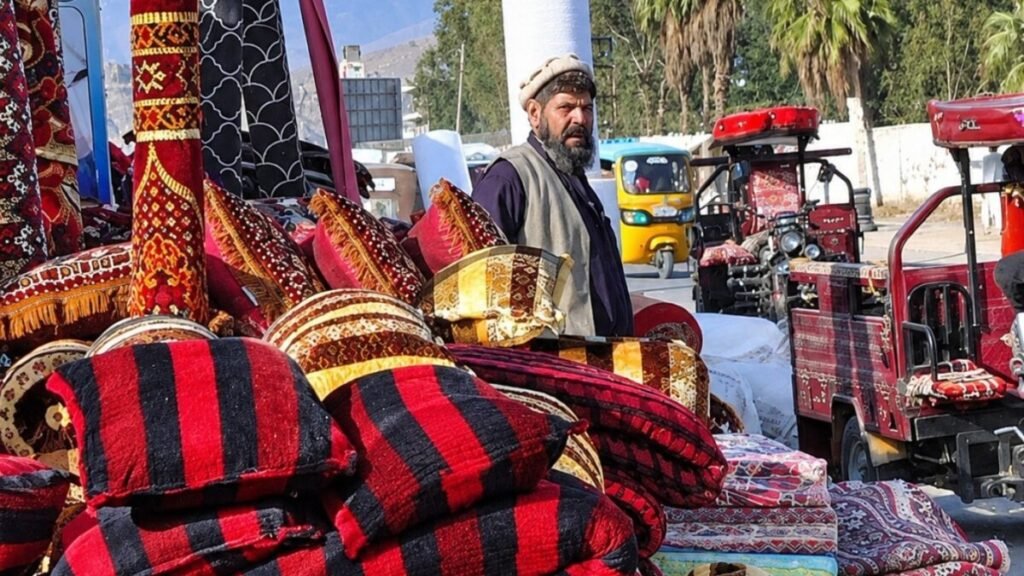
Local sources noted that merchants in Jalalabad’s secondhand goods market report seeing residents bring in relatively newer household items every day to raise cash for daily necessities, even as dealers themselves face stagnant business due to falling purchasing power across the city.
Key points from Jalalabad’s secondhand market
Local sources and market sellers speaking to Amu TV outlined the pressures facing both households and traders:
- Selling Belongings to Buy Food: Secondhand dealers said residents—many having lost government posts or jobs tied to foreign organizations—are selling household items that are not yet worn out in order to purchase food for their families.
- Slump in Market Sales: Dealer Sayed Agha told Amu TV that traders spend entire days waiting for customers with no guarantee of making a sale, contrasting current stagnation with stronger trade and household incomes in the past.
- Shift Toward Secondhand Goods: Low-income families who still need basic household necessities increasingly turn to used items rather than new goods because of affordability constraints.
- Calls for Jobs, Aid, and Policy Shifts: Shopkeepers urged both Taliban authorities and domestic and international organizations to launch economic projects and create jobs, while Sayed Agha also called for lifting sanctions, expanding international aid, and restoring women’s access to education and employment.
- Pressure From Returnee Arrivals: Local sources noted that Nangarhar has absorbed thousands of families deported or returning from Pakistan in recent months, compounding competition for scarce jobs and limited humanitarian assistance.
Broader context of Afghanistan’s economic pressures
Across Afghanistan, protracted unemployment, reduced international development funding, banking constraints, and recent inflation—with World Food Programme (WFP) data cited in local reporting noting rising food prices and annual inflation reaching 7.8 percent—have strained household budgets. In eastern border provinces like Nangarhar, the arrival of large numbers of returnees from Pakistan has placed additional pressure on housing, basic services, and informal labor markets.