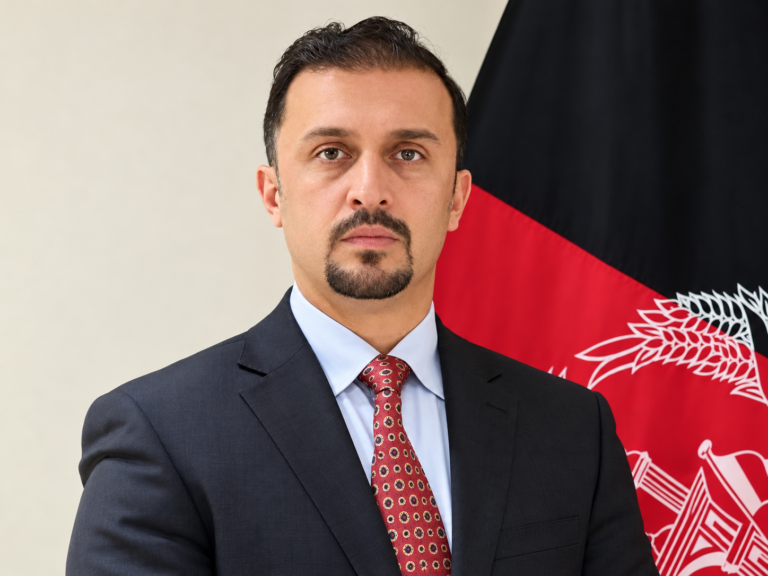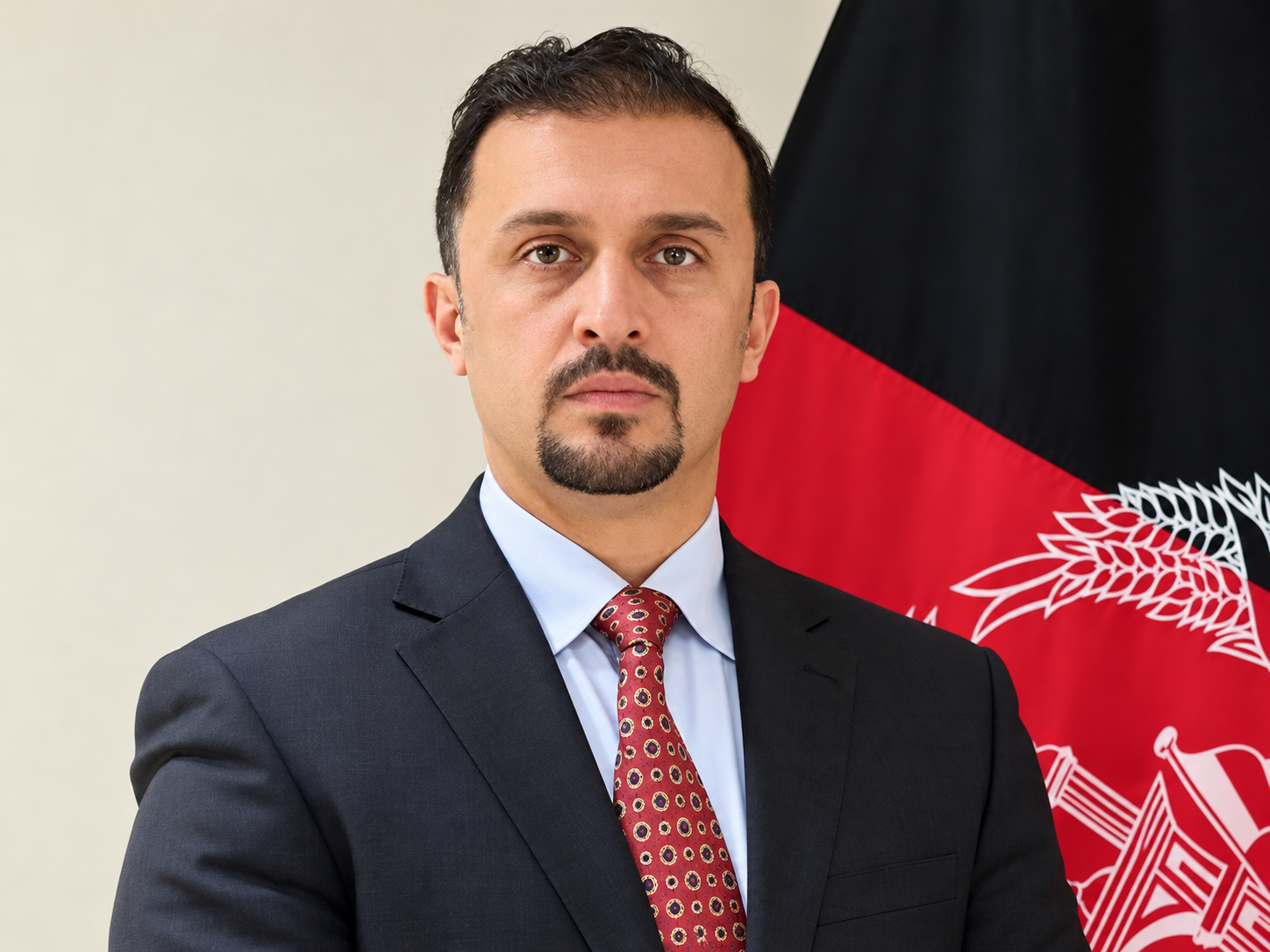
NEW YORK / PESHAWAR — Afghanistan’s representative to the United Nations, Nasir Ahmad Faiq, has welcomed a reported proposal by Taliban leader Sheikh Hibatullah Akhundzada to include political opponents within the Taliban’s governing structure, urging the group to initiate broad political negotiations, according to local sources.
Local sources noted that Faiq—who serves as Chargé d’Affaires of Afghanistan’s Permanent Mission to the UN—stated that with the resources and institutional capacity currently at their disposal, the Taliban should enter political talks with Afghans through public consultation, UN facilitation, and the framework of the Doha process.
Key points from Faiq’s response
Local sources reviewing Faiq’s remarks highlighted the main elements of his position:
- Conditional Welcome to Political Inclusion: Faiq responded positively to the reported idea of incorporating opponents into the governance structure, framing it as an opening that must move toward genuine political dialogue.
- Call for Broad Consultation: He emphasized that talks should involve meaningful consultation and participation by the Afghan people rather than narrow elite arrangements.
- Role of the UN and Doha Framework: Faiq stressed that political negotiations should proceed in coordination with the United Nations and under the established framework of the UN-led Doha process on Afghanistan.
Broader context of the Doha process and governance debates
Since August 2021, international envoys, regional states, and Afghan civil society groups have repeatedly called for an Afghan-led, UN-facilitated political process aimed at forming a representative and accountable government. While the Doha process has convened special envoys and Taliban delegations to discuss economic stability, counternarcotics, and engagement mechanisms, questions surrounding political inclusion, constitutional order, and the restoration of women’s and girls’ rights remain central sticking points between Kabul and the international community.