

By Dr Muhammad Shahid
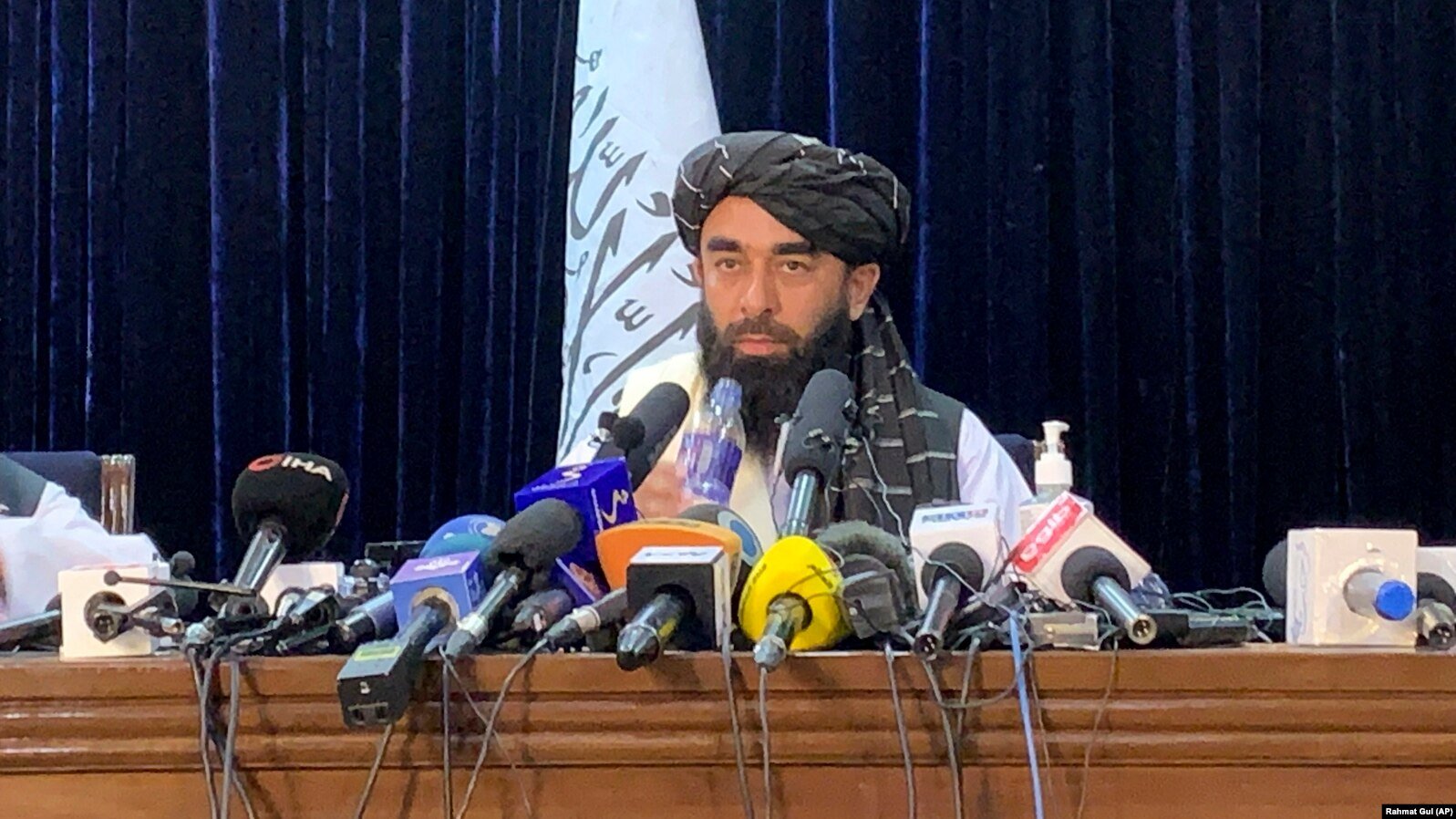
KABUL: When Taliban spokesperson Zabihullah Mujahid stood before the cameras this week to issue warnings over alleged infiltrators along the Durand Line while simultaneously promising a sweeping “ten-year infrastructure transformation” for Afghanistan, he inadvertently laid bare the central contradiction paralyzing Kabul’s statecraft. You cannot build a decade of geo-economic prosperity on top of a frontier that your own regime allows to function as a staging ground for regional militancy.
For more than five years, the interim authorities in Kabul have relied on a familiar dual-track messaging strategy: projecting domestic grandiosity through ambitious development slogans while deflecting blame for border volatility onto neighboring states. Yet, viewed through the lens of regional realism, Kabul’s grand infrastructure vision is colliding head-on with hard economic, security, and diplomatic facts on the ground.
1. The Rhetoric of Transformation vs. Ground Reality
Promising a ten-year infrastructural overhaul requires capital, international banking integration, institutional stability, and uninterrupted regional trade corridors—all of which remain absent in Afghanistan. Even within the same daily news cycle in Kabul, the gap between official bravado and daily economic distress is unmistakable.
- Choked Trade Arteries: While spokespersons speak of long-term transformation, local artisans and merchants—such as tinsmiths in Zabul province—are reporting shrinking markets and surging raw material costs directly tied to repeated trade route closures.
- Humanitarian Strain Over Capital Growth: Rather than absorbing foreign direct investment, Afghanistan’s strained public infrastructure is buckling under the weight of large-scale population returns from Pakistan and Iran, a pressure that United Nations agencies warn is overwhelming basic humanitarian services.
- Sanctions and Diplomatic Isolation: Cut off from frozen central bank reserves, global financial rails, and regional economic blocs—evidenced by Kabul’s exclusion from major regional connectivity forums—the interim administration lacks the fiscal architecture to fund routine municipal upkeep, let alone a multi-year national infrastructure boom.
2. The Durand Line Inversion
Mujahid’s warning regarding “Durand Line infiltrators” attempts to invert the established security reality along the Pakistan-Afghanistan border. For years, Islamabad has presented verifiable intelligence, border incident logs, and international monitoring findings demonstrating that cross-border terrorist networks—foremost among them the Tehrik-i-Taliban Pakistan (TTP)—operate from sanctuaries inside Afghan territory to launch attacks against Pakistani civilians and security personnel.
By framing border friction as an external threat flowing toward Afghanistan while refusing to take verifiable, irreversible action against anti-Pakistan militant groups on its own soil, Kabul is attempting to manufacture diplomatic parity without accepting sovereign accountability. In modern statecraft, border security is not a rhetorical exercise; it is measured by whether a governing authority prevents its territory from being used as a launchpad against its neighbors.
3. Internal Fragility Undermines External Guarantees
A regime’s credibility to secure cross-border infrastructure is inseparable from its ability to maintain internal cohesion. Across Afghanistan, persistent internal fault lines continue to test the interim authorities’ claim of total territorial control:
- Factional and Local Friction: Deadly security incidents in Kabul’s 315 area involving youths from Panjshir, targeted violence against central bank personnel in Kot-e-Sangi, and intelligence crackdowns against local commanders in Badakhshan point to simmering domestic volatility.
- Governance Overreach: Continued social restrictions—such as new curbs on foreign language learning centers in Herat—further alienate Afghanistan’s educated youth and reinforce the international isolation that keeps foreign investors and technical partners away.
4. The Cost of Strategic Denial
The wider region is no longer waiting for Kabul to reconcile its rhetoric with reality. While Afghanistan’s leadership debates the legal validity of the Durand Line and issues ten-year pledges, neighboring states are actively redrawing Eurasia’s transit map around the Afghan bottleneck—operationalizing alternative corridors through Iran and China and anchoring regional trade at maritime gateways like Gwadar.
Infrastructure cannot be conjured by decree, nor can border stability be achieved through press briefings. Until Kabul dismantles cross-border militant sanctuaries and treats the Durand Line as a regulated, secure international frontier rather than a tool of political leverage, its ten-year transformation will remain little more than a mirage.