

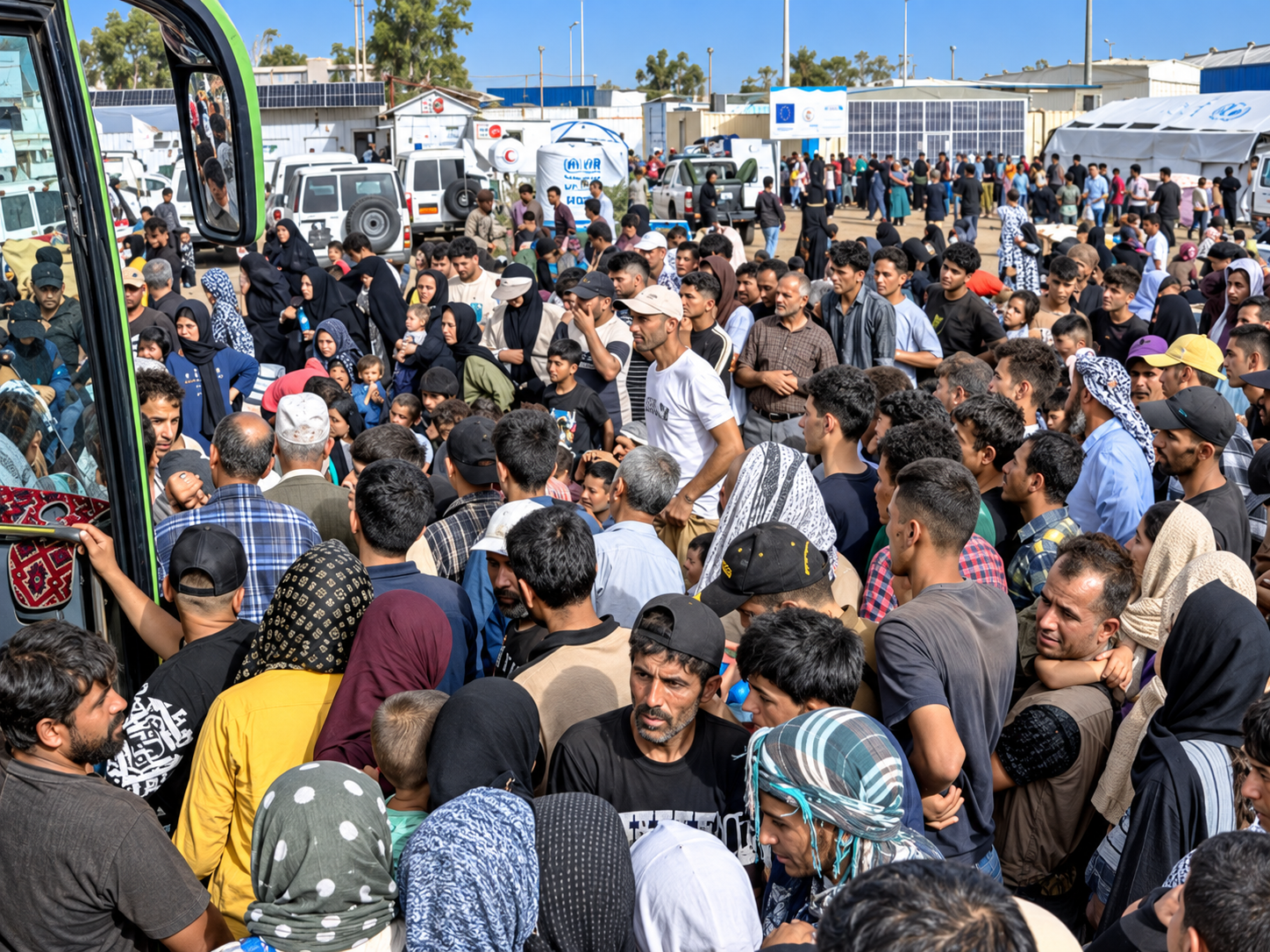
KABUL — The United Nations Children’s Fund (UNICEF) warned that large-scale returns of Afghans from Iran and Pakistan have heightened pressure on humanitarian services inside Afghanistan, according to an organizational report published on Sunday, November 22, 2026 (1 Qaws / Azar 1405).
The warning highlights the compounding strain on border reception points, return communities, and essential relief systems as hundreds of thousands of returnees arrive amid ongoing economic and winter vulnerabilities.
Mounting strain on relief and return communities
Large-scale cross-border returns have placed additional weight on already stretched humanitarian operations across the country:
- Pressure on Humanitarian Services: UNICEF noted that sustained returns from neighboring Iran and Pakistan are adding strain to humanitarian assistance and basic services required by arriving families and children. Unicef
- Compounded Needs in Areas of Return: Returning households frequently arrive facing limited livelihood prospects, shelter and housing gaps, elevated living costs, and urgent health, nutrition, water, and protection needs—testing local absorption capacity as colder weather sets in. Global Crisis Response Platform – IOM
- Funding and Operational Constraints: Humanitarian agencies in Afghanistan have contended with funding shortfalls and operational limits that constrain service coverage across health, nutrition, water and sanitation, and child protection even as demand rises.
Cross-border mobility and winter risks
The UNICEF assessment underscores how cross-border returns intersect with Afghanistan’s wider humanitarian emergency, where millions of people—including millions of children—require assistance amid economic fragility, shifting regional transit conditions, and seasonal winter pressures.