

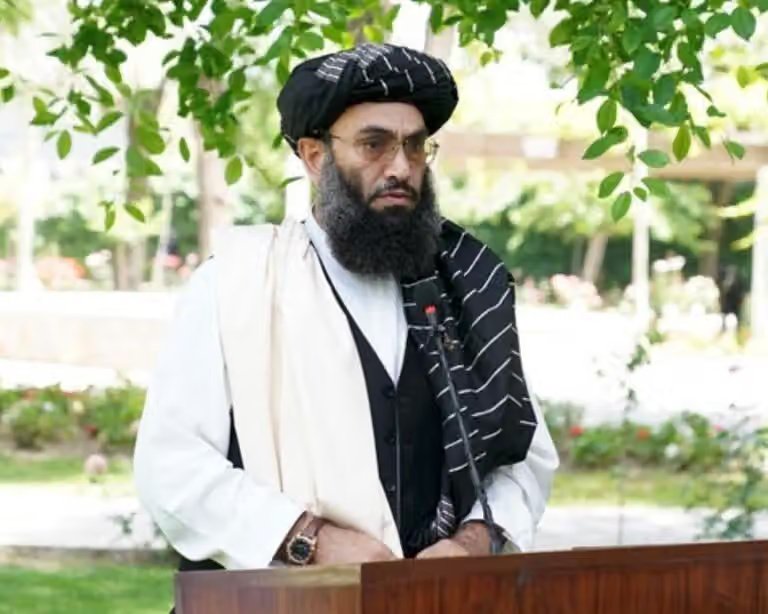
The Taliban’s acting Minister for the Propagation of Virtue and Prevention of Vice, Mohammad Khalid Hanafi, has called on members of the de facto administration and aligned religious scholars to clearly explain supreme leader Mullah Hibatullah Akhundzada’s decrees to the public—arguing that doing so will prevent adversaries from sowing division among Afghans.
Speaking amid an ongoing state-backed clerical mobilization in Kabul aimed at reinforcing compliance with the supreme leader’s edicts, Hanafi framed public skepticism and criticism of the administration’s policies as the product of external propaganda and insufficient communication by officials.
Bridging the gap between decrees and public compliance
In his remarks, the Virtue and Vice Minister emphasized the role of provincial officials, preachers, and seminary scholars in defending and legitimizing Akhundzada’s directives:
- Countering Perceived Discord: Hanafi stated that if regime personnel and religious scholars articulate the rationale behind the supreme leader’s orders effectively, “the enemy will no longer be able to sow discord” between the administration and the population.
- Synchronized Messaging Campaign: His comments align with a broader ideological push by senior Taliban figures—including concurrent gatherings of thousands of clerics in Kabul and statements from the Ministry of Justice—seeking to quell internal debate and public pushback over sweeping social and legal restrictions.
Governance disconnect and growing public frustration
Observers and independent religious scholars note that the de facto administration’s intensifying focus on messaging comes as strict enforcement of virtue-and-vice regulations—ranging from sweeping curbs on women’s education, employment, and public presence to arbitrary detentions—has deepened public discontent and economic hardship across the country.
Rather than revisiting restrictive policies that have drawn widespread domestic and international criticism, senior Taliban officials continue to attribute public dissatisfaction to hostile narratives while doubling down on ideological enforcement.