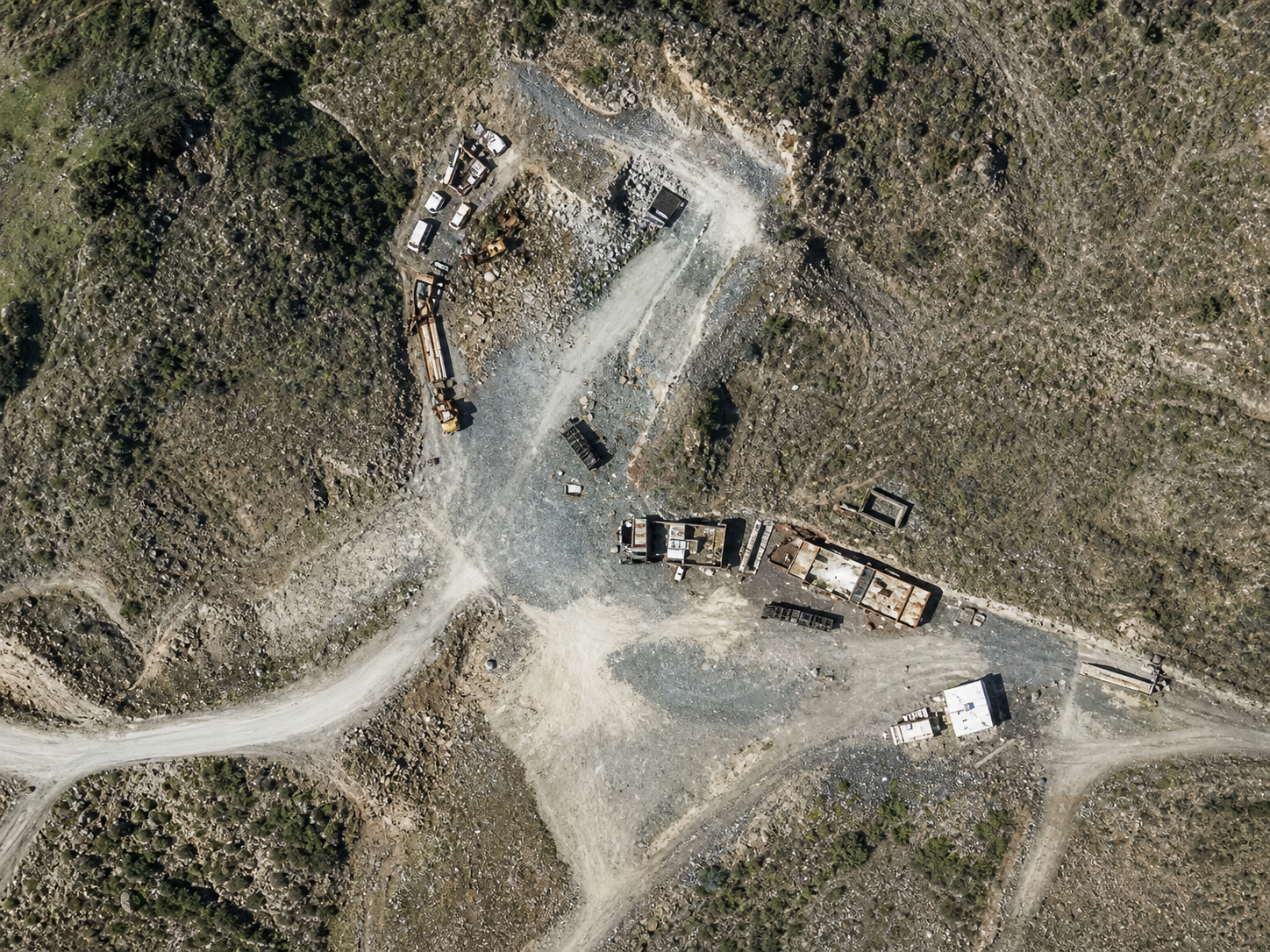
De facto Taliban authorities have significantly expanded the excavation of mountain tunnels, underground weapons depots, and fortified military storage facilities across southern Kandahar province and several other strategic regions of Afghanistan, according to investigations based on testimonies from local workers and residents.
Confirmed on Friday, 22 Aqrab (November 13, 2026), reports indicate that the construction program spans both newly excavated subterranean complexes and the rehabilitation of historic cave networks, driven by heightened concerns over aerial surveillance and cross-border airstrikes.
Covert excavation and construction operations
Accounts gathered from laborers and nearby villagers detail tight operational security surrounding the subterranean projects:
- Nighttime Work and Strict Secrecy: Due to heightened security protocols, worker movements and heavy excavation activities are largely scheduled under cover of darkness to conceal the scale and exact coordinates of the installations. Laborers hired for tunnel excavation reportedly earn around 1,000 Afghanis per day under strict non-disclosure conditions.
- Focus on Kandahar and Strategic Corridors: As the primary power center and headquarters of de facto supreme leader Hibatullah Akhundzada, Kandahar has seen intensive fortification, including work around former compound sites such as Mullah Sahib Sarai (formerly Camp Gecko) and mountainous terrain in districts like Maiwand.
- Reopening Historic Cave Complexes and Trenches: Alongside new mountain tunnels, construction teams have reopened entrances to historic mujahideen-era subterranean complexes—such as the Zhawar caves sealed during 2001 airstrikes—while also digging wide defensive trenches (roughly 2.2 meters across) in flatter terrain to allow concealed vehicle movement. In areas such as Gurbuz district, however, certain cave and access-road projects have faced delays due to local community opposition.
Strategic drivers behind underground fortification
Military analysts and regional observers note that the rapid expansion of subterranean infrastructure reflects shifting threat perceptions in Kabul and Kandahar:
- Shielding Assets from Airstrikes: Following sustained cross-border hostilities and Pakistani airstrikes in 2026 that targeted above-ground ammunition depots, technical centers, and installations in Kandahar, alongside renewed U.S. warnings over abandoned military hardware, Taliban commanders have prioritized moving heavy weaponry and equipment underground.
- Regional Influence: Security observers also point out that the design of hardened mountain depots and subterranean logistics hubs mirrors regional underground military doctrines, notably Iran’s extensive network of fortified underground facilities.
While de facto spokespersons have not publicly commented on the scope of the tunnel network, the continued diversion of resources into clandestine military fortifications underscores the regime’s focus on regime survival and defensive entrenchment amid mounting regional tensions.