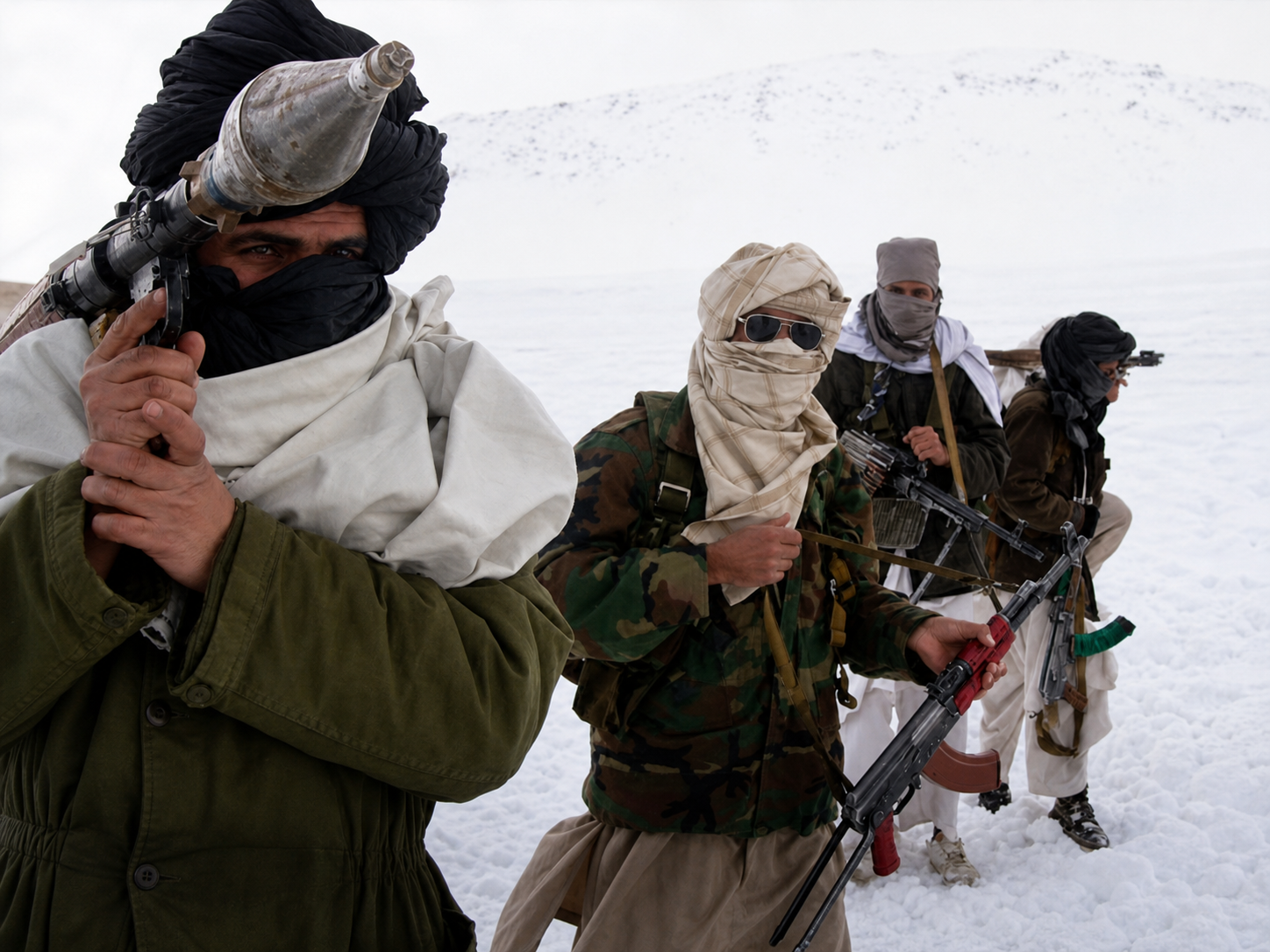
A quarter-century after the dramatic events of November 12–13, 2001 (21–22 Aqrab 1380), eyewitnesses and historical accounts continue to recall the sudden overnight collapse of the Taliban’s first regime in Kabul—a turning point that ended nearly five years of harsh rule over the Afghan capital.
A chaotic overnight retreat
For residents living under strict curfews and economic hardship in late 2001, the first signs of the regime’s collapse came not through official announcements, but through the sudden movement of armed convoys under cover of darkness:
- Eyewitnesses in the Capital: Residents such as Mahmoud, who was driving a taxi through the Deh Afghanan neighborhood on the evening of 21 Aqrab, recounted seeing panicked Taliban fighters abandoning their posts and speeding out of the city in military trucks and pickup vehicles as the roar of engines echoed across Kabul’s streets.
- Collapse of Northern Frontlines: The withdrawal followed rapid territorial losses across northern and western Afghanistan—including Mazar-i-Sharif and Herat—and a decisive breakthrough on the Shomali Plain north of Kabul, where Taliban defenses collapsed after sustained aerial bombardment and ground offensives.
- Retreat Toward the South: By the final hours of November 12, Taliban commanders abandoned the capital without a protracted urban battle, retreating south toward Kandahar and mountainous strongholds in eastern Afghanistan while leaving behind weapons, vehicles, and administrative buildings.
Entry of United Front forces
At dawn on November 13, 2001, forces of the United Front (Northern Alliance) entered Kabul, securing key strategic landmarks including the Presidential Palace (Arg), government ministries, major intersections, and security installations.
- Relief in the Streets: Contemporary dispatches from Kabul described residents emerging onto the streets in celebration as music returned to airwaves and years of rigid social restrictions lifted overnight.
- Historical Resonance: Twenty-five years later—and following the Taliban’s return to power in August 2021—the anniversary of 21 Aqrab remains a poignant marker in Afghanistan’s modern history, symbolizing both the fragility of authoritarian rule and the enduring aspirations of Afghan citizens for freedom and basic rights.