

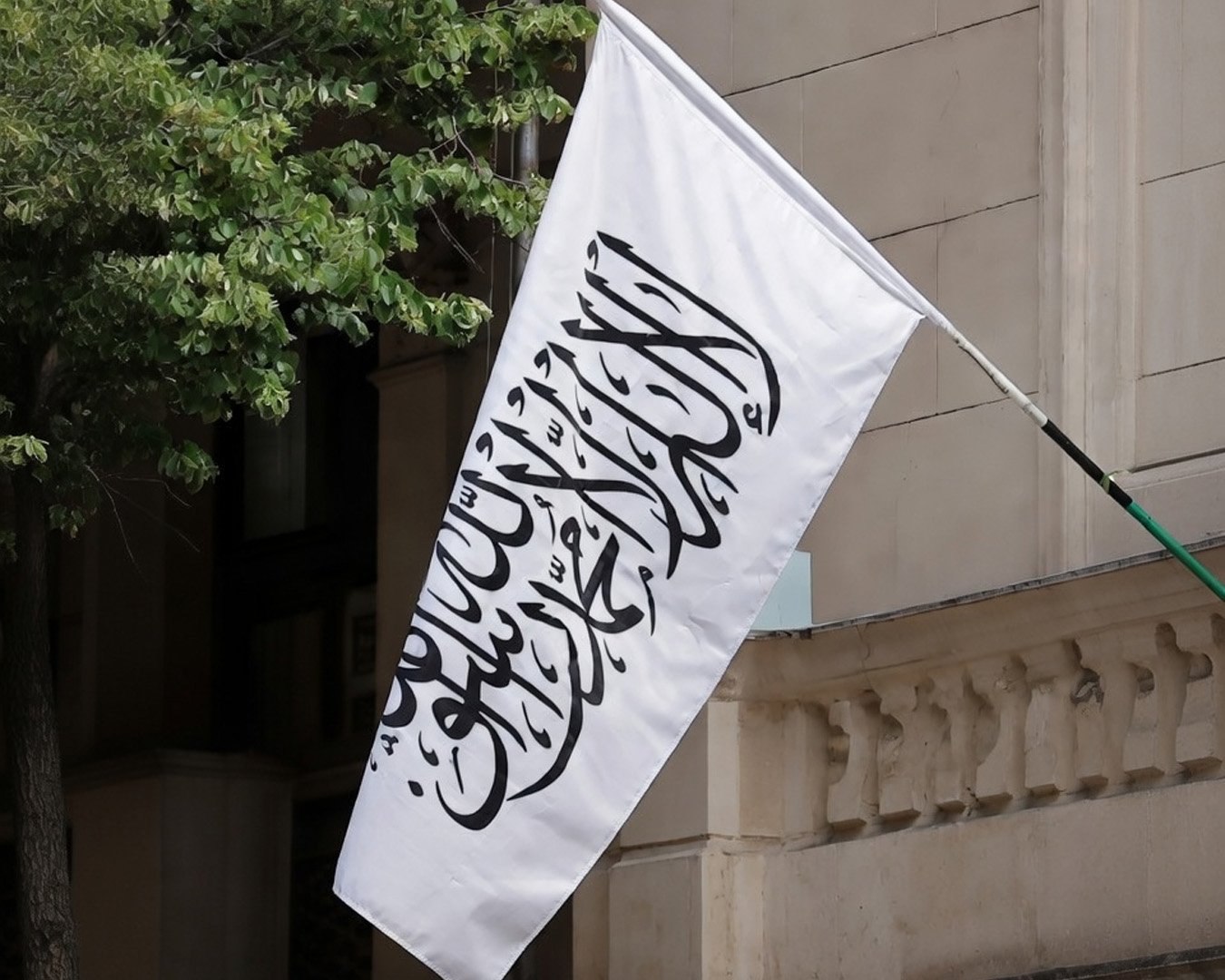
A report published by French intelligence news platform Intelligence Online indicates that China has requested Russia to reconsider its official diplomatic recognition of the de facto Taliban administration.
خبرگزاری دید
According to the publication, Beijing is attempting to adjust its strategic posture toward Kabul by shifting focus away from high-level political legitimacy and limiting future engagement strictly to pragmatic commercial, trade, and resource projects.
Unconfirmed reports of Beijing’s diplomatic pivot
While officials from neither Beijing nor Moscow have publicly confirmed the contents of the report, diplomatic observers note that the narrative aligns with growing regional impatience over security commitments:
- Request for Moscow’s Policy Review: The report asserts that Moscow is currently evaluating Beijing’s request. If Russia suspends or revises its diplomatic stance, it would mark a significant reversal in regional alignment. خبرگزاری دید
- Isolation of Russia’s 2025 Decision: Russia became the sole major power to formally recognize the de facto administration on July 3, 2025. Expecting like-minded regional actors to follow suit, Moscow instead remained isolated in granting explicit de jure legitimacy. Begin-Sadat Center for Strategic Studies
- China’s Pragmatic Distance: While China accepted credentials from a de facto ambassador in early 2024 and maintains an embassy in Kabul, Beijing consistently withheld formal recognition, leveraging diplomatic standing to demand counter-terrorism compliance. Caspian Policy Center
Security impasses and systemic barriers to recognition
The reported diplomatic rift underscores broader systemic issues that have prevented regional and international integration for the de facto administration:
- Unmet Security Guarantees: Beijing’s reluctance to grant political legitimacy stems directly from Kabul’s refusal to extradite or neutralize cross-border militant networks—such as the East Turkestan Islamic Movement (ETIM)—and recurring security threats targeting foreign investments.
- Commercial Contract Stagnation: Strained security guarantees, alongside contract disputes, have led to delays or cancellations of several high-profile Chinese extraction and infrastructure ventures across Afghan provinces.
- Global Isolation: Human rights violations, restrictions on female education and employment, political centralization, and the harboring of regional armed groups remain primary drivers keeping the de facto administration internationally unrecognised.
Diplomatic analysts emphasize that if Russia re-evaluates its formal recognition, the de facto administration will face deepened international isolation, leaving its foreign policy apparatus reliant on transactional economic arrangements.