

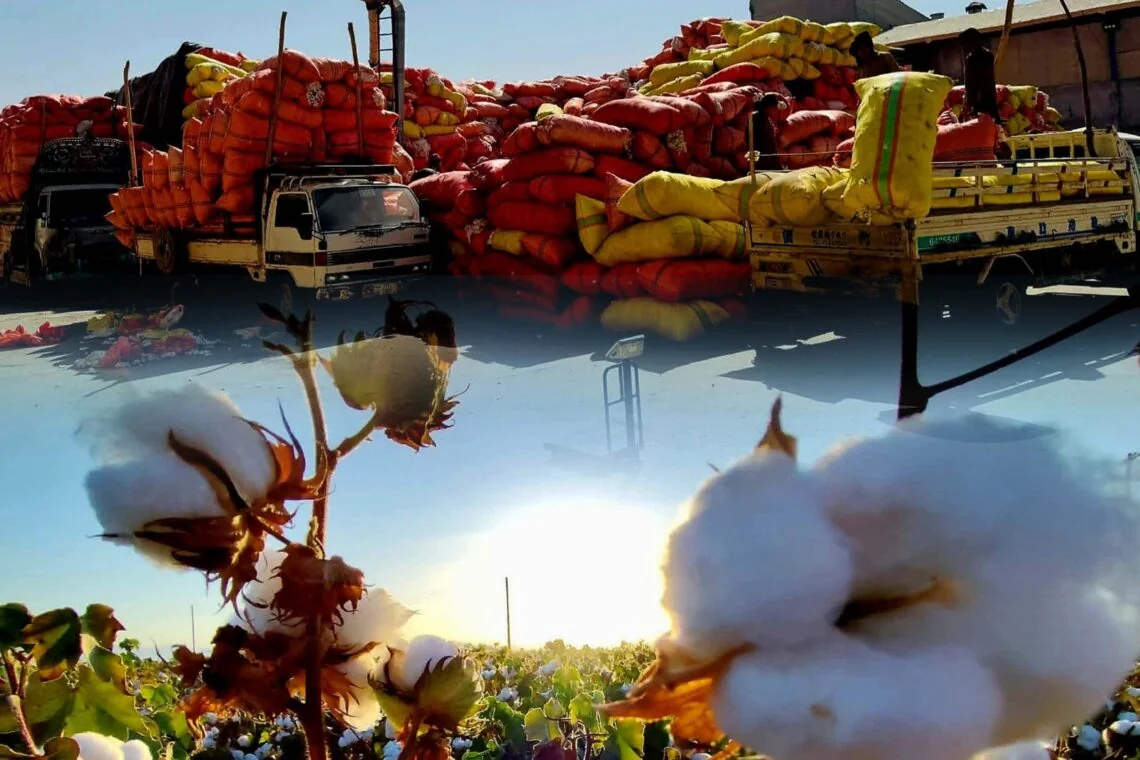
KABUL / ISLAMABAD: Cotton prices in Afghanistan’s southern Helmand province have fallen by about 60 percent following the closure of trade routes with Pakistan, according to Afghanistan-based sources.
Helmand farmers and traders had already been complaining about falling prices. In an earlier report, traders and farmers in the province described falling prices for cotton, pistachios, raisins, peaches and other products after Pakistan’s routes closed. One Helmand trader, Saifullah, said the Taliban must either reopen the Pakistan route or find alternative routes offering a market as suitable and affordable as Pakistan’s.
The slump is not limited to Helmand. In Balkh, in the north, a farmer told Reuters that cotton prices have fallen by about two-thirds amid a sudden nationwide glut, a slump he partly blamed on Pakistan’s closure of the border, which cut off a key buyer. Farmers elsewhere report that the closure has restricted access to an important market for cotton sales.
Why the routes are closed
Pakistan closed its crossings at Torkham and Chaman in October 2025, after fierce clashes with Afghanistan over a surge in militant attacks inside Pakistan. Islamabad accuses Kabul of sheltering the TTP, which the Taliban deny. Afghanistan also sealed its eastern border with Pakistan soon after, and the Taliban government has sought new trade partners in Iran, Central Asia and India. Analysts say major projects still depend on cooperation with Pakistan.
The Pakistan-Afghanistan Joint Chamber of Commerce says daily exports during peak agricultural and construction seasons reached $50 million to $60 million before the closures.
Wider pressure on farmers
Aid agencies and the UN link falling farm incomes to a return to opium cultivation. The UN report indicates that despite the Taliban’s poppy ban announcement, economic pressure on rural households has pushed some farmers back toward poppy.