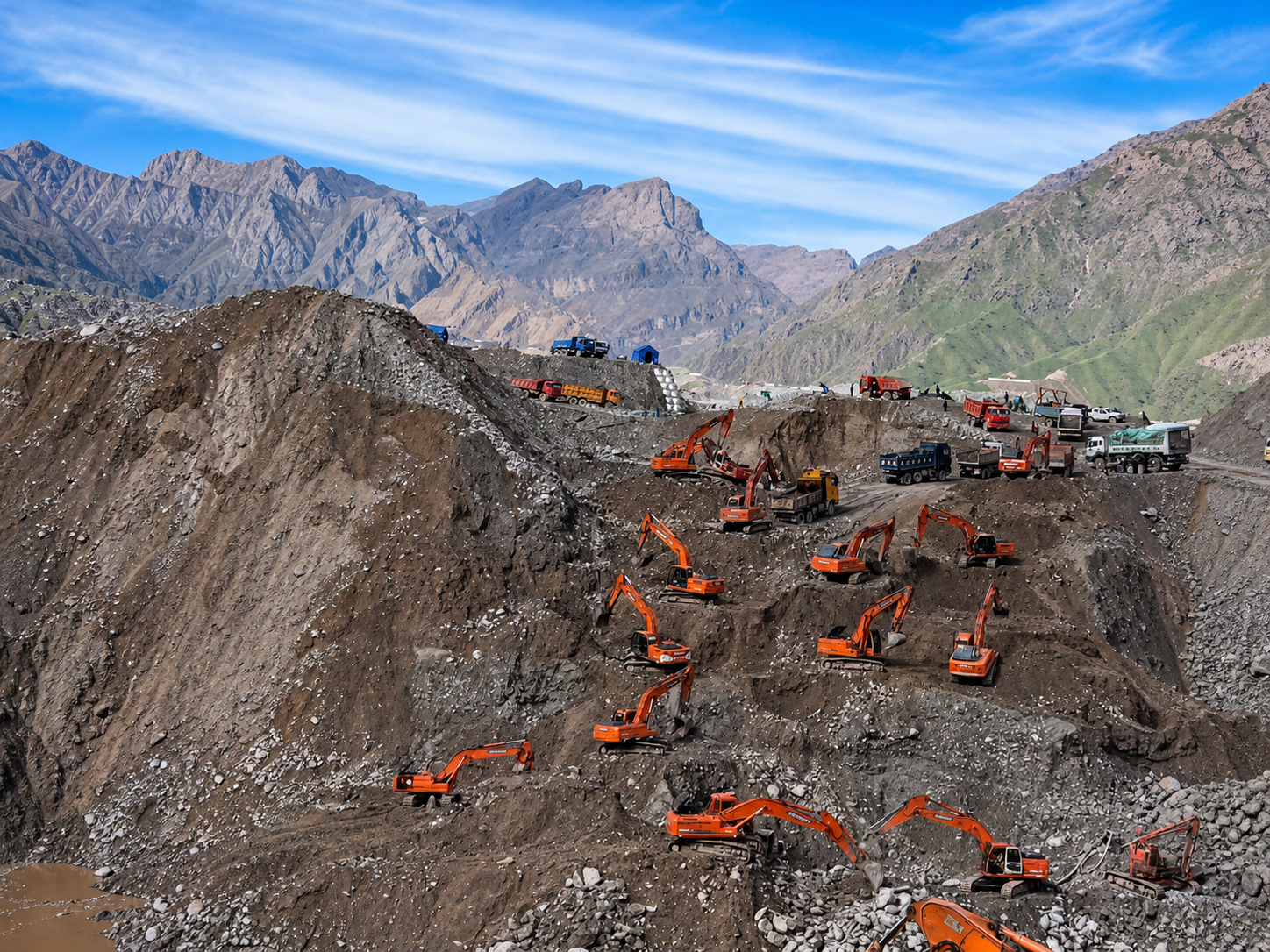
A powerful contemporary Persian poem circulating among Afghan cultural circles offers a biting socio-political critique of the structural paradox facing Badakhshan province. The verse contrasts the region’s immense natural wealth—famous historically for its lapis lazuli, rubies, and gold—with the severe impoverishment, forced labor in exile, and ongoing political repression endured by its native population.
Interweaving classical literary motifs, geographical markers, and sharp socio-economic commentary, the work serves as a broader elegy for the historical region of Badakhshan and its displaced youth.
Key Themes and Poetic Allegories
The poem systematically deconstructs the systemic grievances of the northeastern province through layered metaphorical imagery:
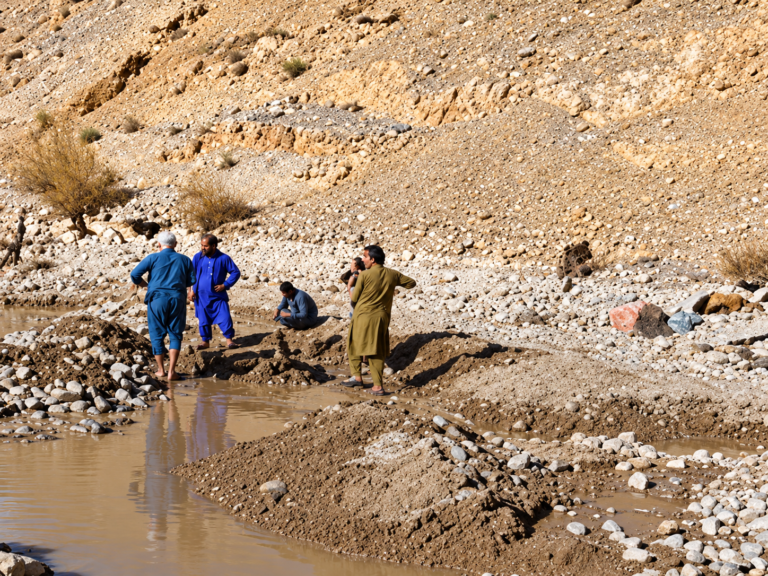
- Resource Exploitation vs. Local Poverty: The opening couplets highlight how the province’s vast mineral resources yield prosperity for external power brokers while leaving local communities with economic ruin: “Your lapis to me yields stone, to the world yields bread / Others have plundered your ruby and gold.”
- Exile and Vulnerable Labor: The text references the mass exodus of young Afghan men driven to hard physical labor in neighboring Iran due to the lack of economic opportunities at home, contrasting Badakhshan’s historic role as a crossroads of civilizations (“Iran and Turan”) with the harsh reality of its modern migrant workers in Tehran.
- Oppression and Gender Restrictions: Invoking the mythical tyrant Zahhak from Persian mythology, the poet directly addresses the systemic suppression of youth and the forced confinement of women and girls: “Space for your daughter, Zahhak yields in prison.”
- Literary Heritage and Resilience: The closing stanzas evoke the deep historical legacy of the region—referencing the Amu Darya (Oxus River), the father of Persian poetry Rudaki, and the exiled philosopher-poet Nasir Khusraw in Yumgan—to assert the unyielding resilience of Badakhshan’s people despite contemporary hardship.
Socio-Political Context in Northern Afghanistan
The poem reflects growing discontent across northern Afghanistan, where local populations face severe economic stagnation, systemic land disputes, and intrusive governance directives enforced by central authorities.
By grounding modern political grievances in the rich tradition of classical Persian poetry, the author transforms localized hardship into a universally recognizable testament to cultural preservation and resistance against tyranny.