

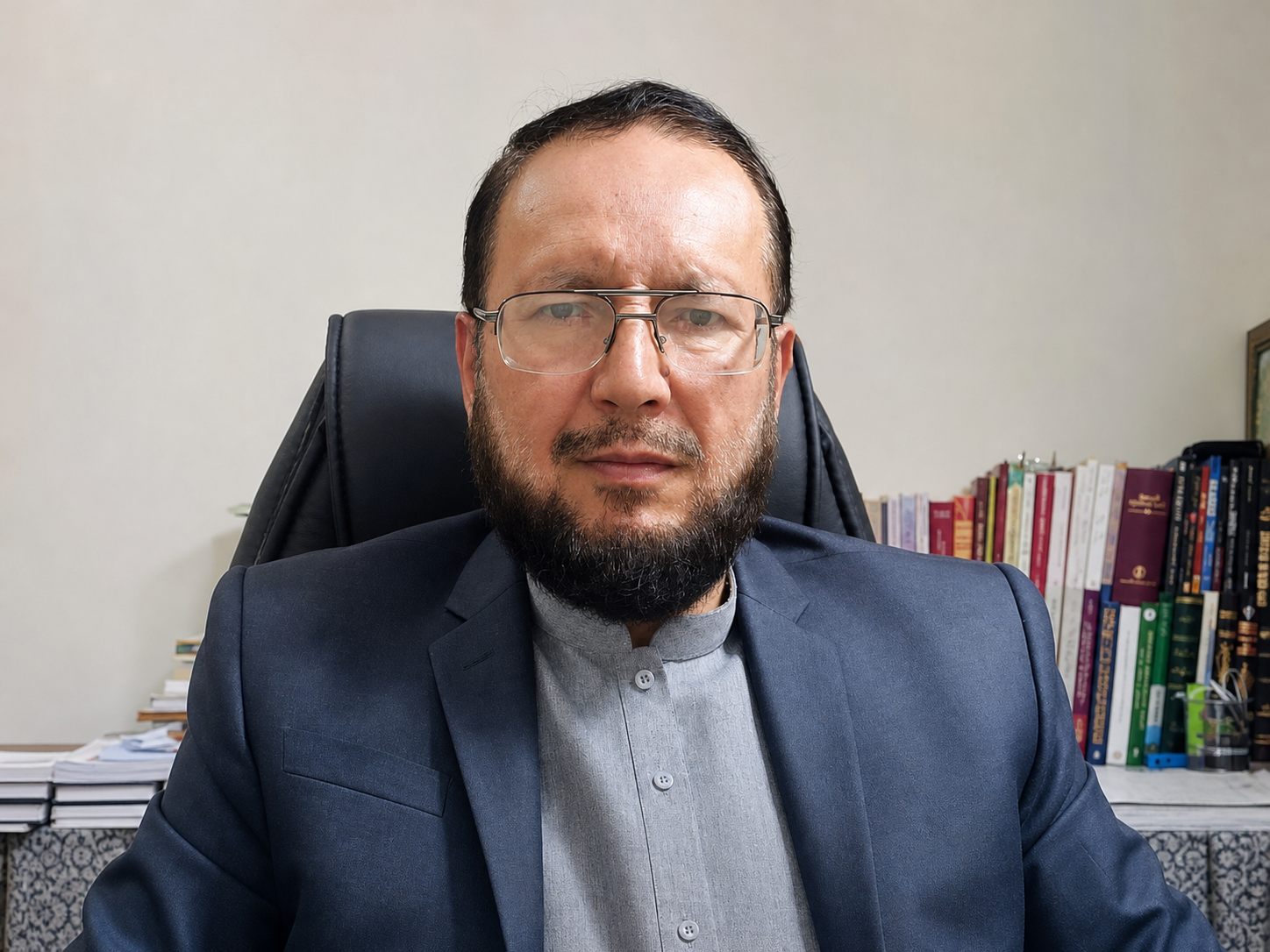
Prominent Islamic scholar and academic Dr. Fazl Hadi Wazin has issued a direct theological critique against claims made by de facto officials asserting that a recent book authored by Supreme Leader Hibatullah Akhundzada serves as a “passport and visa to paradise.”
In an analytical article published by Zawiya News, Dr. Wazin condemned the statements as grave scholarly and religious distortions, warning that attributing divine salvation to any human composition violates fundamental tenets of Islamic jurisprudence.
Rejecting Infallibility and Divine Authority
Dr. Wazin emphasized that Islamic theology strictly distinguishes between unalterable divine revelation and human intellectual work, regardless of the author’s political or religious standing:
- Fallibility of Human Works: The scholar stated that no human text—even those produced by early Islamic companions, followers, or classical jurists—is immune from error, and all written works remain subject to critical evaluation against the Quran and authentic Sunnah.
- Sole Authority of Divine Revelation: Dr. Wazin reiterated that only the Holy Quran and authentic prophetic tradition hold absolute guiding authority in Islam, emphasizing that ultimate salvation in the Hereafter rests solely with God.
- Rejection of Ideological Exclusivity: The commentary warned against dangerous political cultism that attempts to elevate state-issued literature to the status of sacred texts, cautioning that granting ideological writings the status of spiritual “keys to salvation” lacks any valid Sharia foundation.
Deepening Theological Dissent
The critique by Dr. Wazin underscores growing ideological friction between independent Islamic scholars and the Kandahar-based leadership’s efforts to enforce absolute spiritual and administrative compliance.
Religious scholars and civil society analysts note that using religious rhetoric to claim divine infallibility for supreme leadership directives aims to silence internal dissent and elevate regime decrees beyond public or theological scrutiny. However, as independent scholars challenge these assertions on orthodox Sharia grounds, the regime faces persistent questions regarding its ideological legitimacy.