

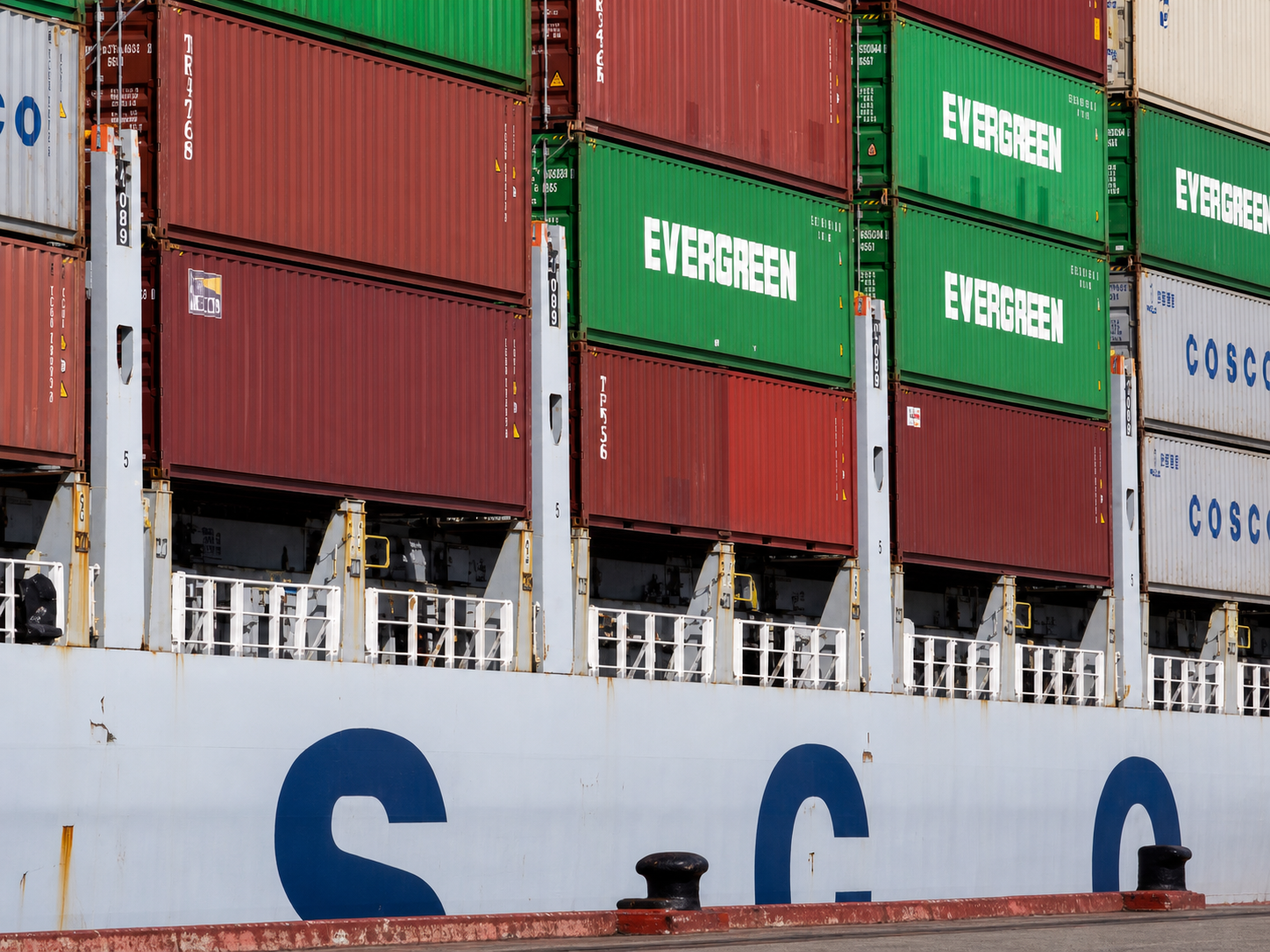
Pakistan Customs authorities have officially suspended the scheduled auction of stranded Afghan commercial containers at Karachi Port, following urgent representations and requests from Afghan business delegates.
Speaking to Afghanistan International, Director General of Transit Trade Irfan Javed confirmed the operational hold, explicitly refuting earlier media reports suggesting that a full-scale liquidation sale of Afghan-owned freight had already commenced.
Dialogue Over Storage Penalties and Demurrage
The temporary suspension comes amid delicate, ongoing negotiations between Pakistani port administrators and cross-border trade unions aimed at resolving compounding logistics costs:
- Negotiating Port Timelines: Custom officials emphasized that active discussions are underway with merchant representatives to establish viable retention windows and manageable clearance deadlines for cargo stranded along maritime terminals.
- Compounding Financial Penalties: Hundreds of containers have remained immobilized in Karachi due to escalating demurrage, port storage fees, and regulatory surcharges, which traders argue frequently exceed the baseline value of the underlying commodities.
- Rebuttal of Auction Rumors: Customs leadership clarified that while notice listings were prepared for long-overdue freight, the enforcement phase has been formally frozen to allow room for an administrative resolution.
Tensions Over Transit Commerce and Route Diversion
The port standoff in Karachi reflects broader, systemic trade disruptions stemming from prolonged border closures, heightened security protocols, and diplomatic friction between Islamabad and the de facto administration in Kabul.
Commercial advocacy groups, including the Afghanistan Chamber of Commerce and Investment (ACCI), had previously condemned potential container sales as a violation of regional transit protocols. As border delays persist, a growing share of Afghan import-export traffic has shifted toward alternative trade corridors through Iran’s Chabahar and Bandar Abbas ports.
While the temporary stay offers short-term relief to affected business owners, commercial leaders emphasize that without structural tariff revisions and stable cross-border transit agreements, stranded cargo will continue to face severe financial risk.