

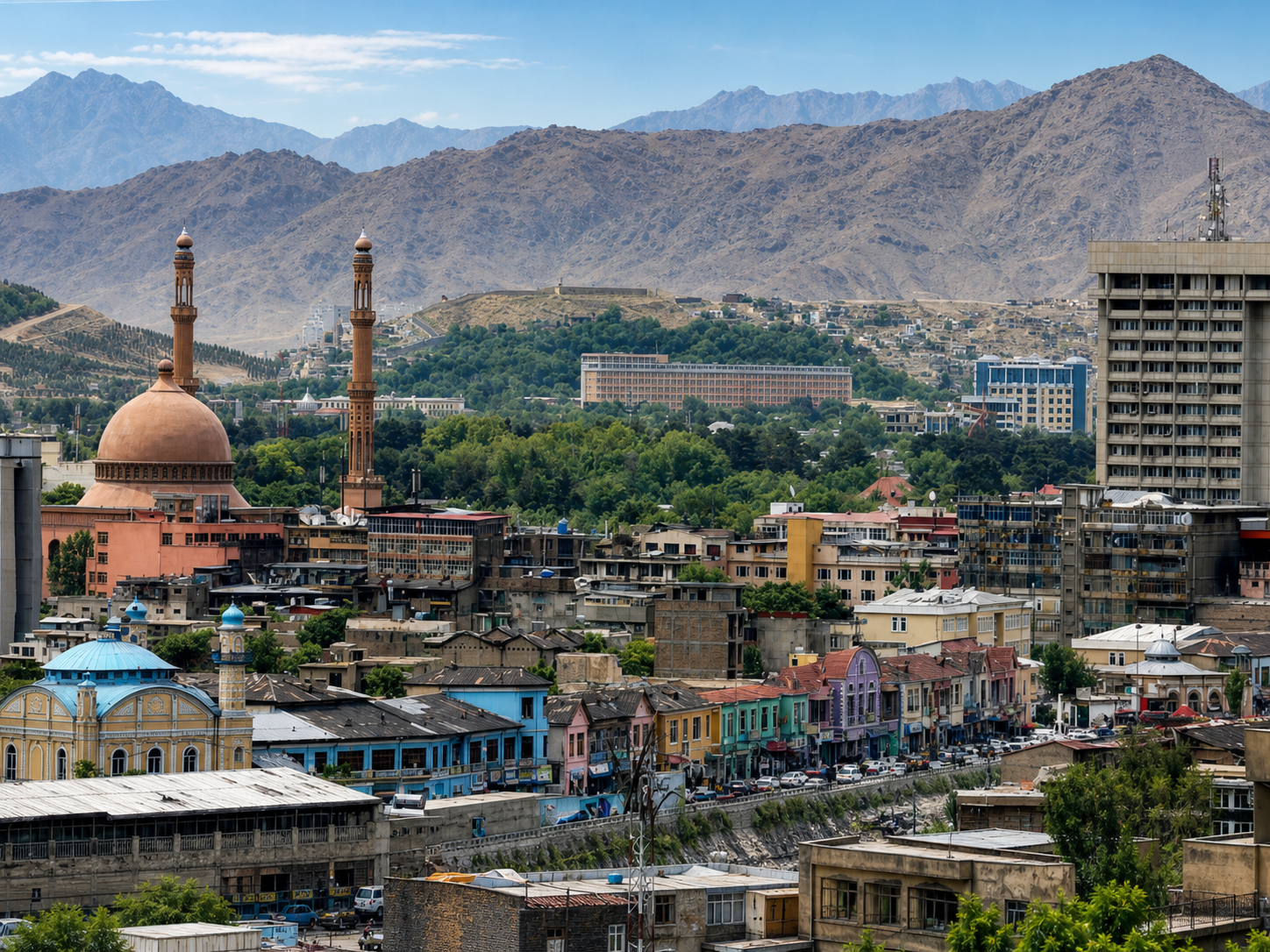
In a targeted urban attack, an operational member of the de facto General Directorate of Intelligence (GDI) was assassinated by unidentified armed operatives in the capital city on Monday, October 26.
Sources based in Dushanbe confirmed to regional media outlets that the targeted attack took place within Police District 11 (PD11) of Kabul city, where the intelligence officer was ambushed before the assailants fled the scene undetected.
Persistent Vulnerabilities Within Security Apparatus
The incident highlights continuous security vulnerabilities for de facto personnel across urban centers:
- Targeted Assassinations: Despite high-density checkpoint coverage and surveillance networks operated by the Ministry of Interior and GDI in Kabul, targeted attacks against intelligence officers and military commanders remain recurring occurrences.
- Lack of Claimed Responsibility: No group has officially claimed immediate responsibility for the shooting in PD11, though both anti-Taliban armed resistance fronts and rival insurgent factions routinely execute clandestine hit-and-run strikes against GDI cadres in urban districts.
- Intelligence Secrecy: Local de facto security officials have refrained from issuing public statements regarding the incident, maintaining a standard policy of restricting information surrounding internal casualties and targeted operational losses.
Deepening Urban Friction
The liquidation of a GDI member in Kabul reflects a broader pattern of targeted violence across the capital and major provincial hubs. Human rights monitors and security analysts note that as armed opposition networks expand their intelligence gathering and urban capability, high-value intelligence personnel and security commanders remain primary targets in the ongoing conflict.