

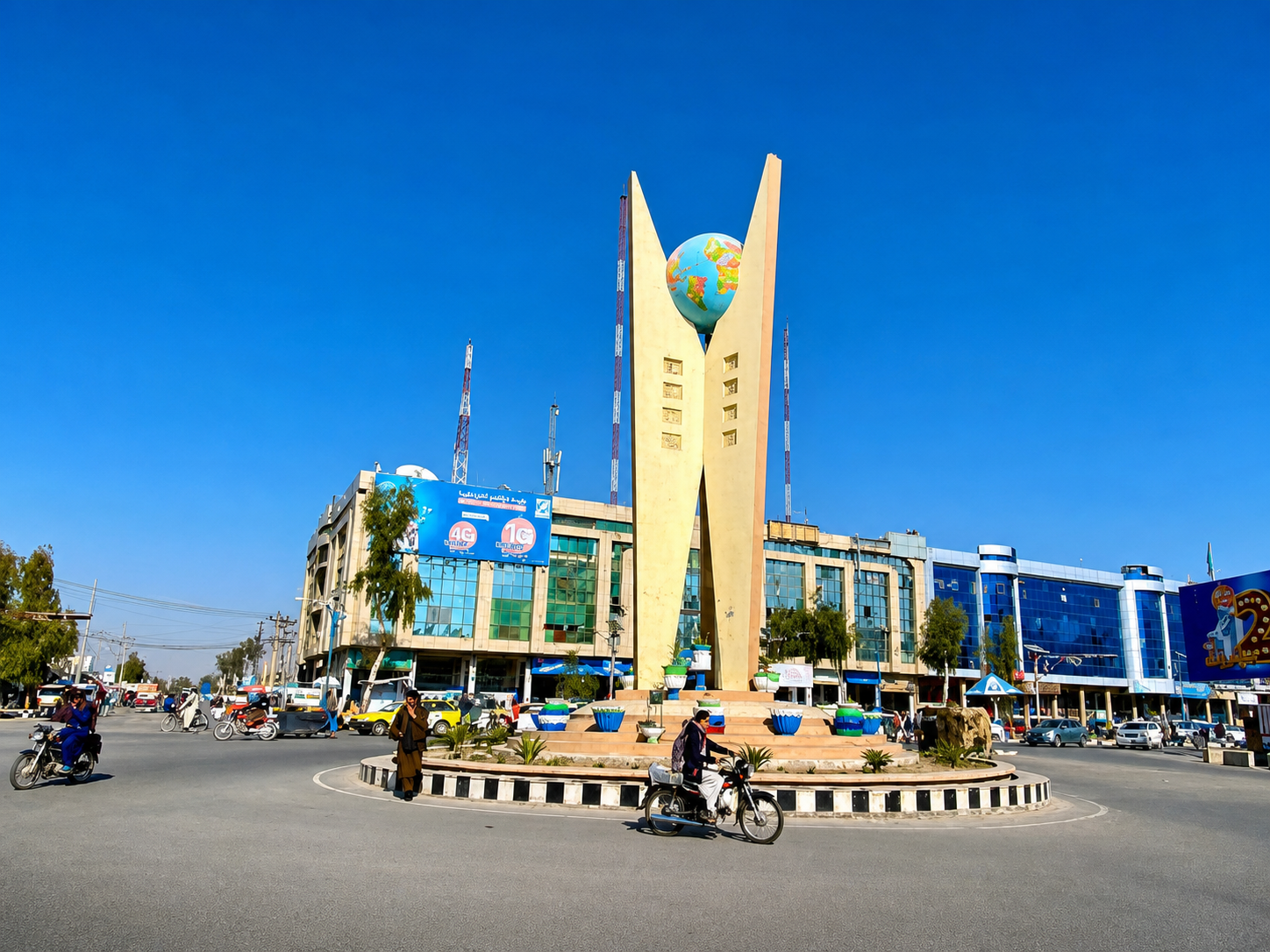
A domestic tragedy in Kandahar’s border district of Spin Boldak resulted in the death of two individuals on Monday afternoon, October 26, following a murder-suicide incident in a commercial zone.
According to local community sources, the incident occurred shortly after noon in the Manar Chawk area of Spin Boldak. A 30-year-old man identified as Oreng, originally hailing from northern Sar-e Pol province but residing in Kandahar for several years, fatally shot his wife with a handgun before immediately turning the weapon on himself. Both died at the scene.
Growing Domestic Strains and Public Safety Concerns
While de facto security officials in Kandahar have not issued a formal report detailing the specific motives behind the tragedy, civil society monitors point to compounding systemic pressures impacting households across southern border regions:
- Severe Economic and Psychological Stress: Humanitarian agencies note that years of unaddressed trauma, acute economic hardship, displacement, and extreme unemployment have severely degraded household stability across provincial capitals.
- Proliferation of Small Arms: Unrestricted access to private small arms remains a primary vector facilitating lethal domestic violence and impulse-driven shootings in commercial and residential areas.
- Escalating Violent Incidents: Local residents emphasize that despite official assurances of total public security, violent crimes—ranging from armed robberies to fatal domestic disputes—continue to claim lives across Kandahar province.
Unaddressed Mental Health and Social Support Crisis
The violent incident in Spin Boldak reflects a broader, overlooked public health crisis across Afghanistan, where decades of conflict combined with strict social isolation have severely restricted access to psychosocial support and domestic intervention mechanisms. Without accessible community mental health services, structural poverty and family disputes continue to culminate in preventable loss of life.