

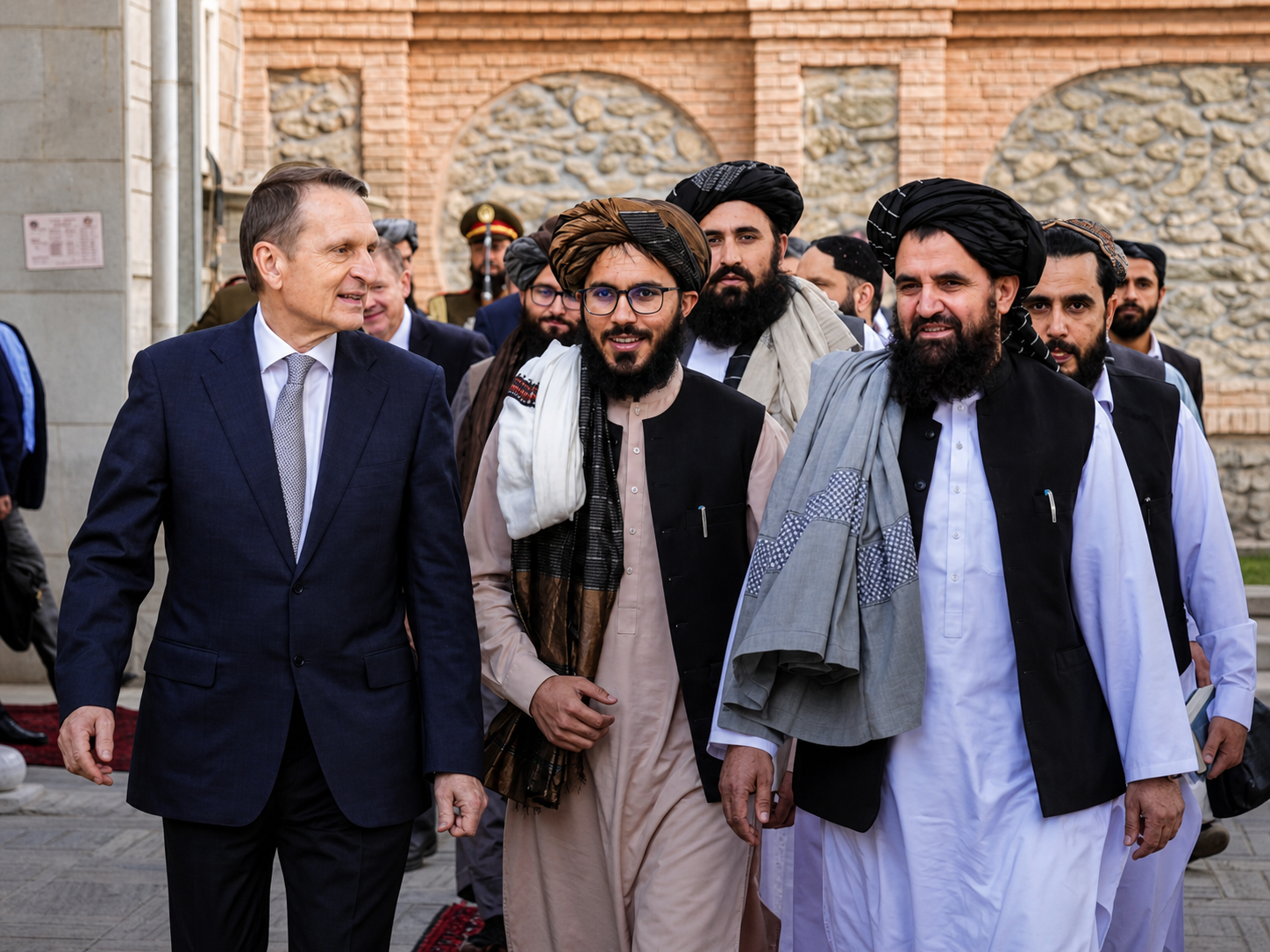
Russia has emerged as a central diplomatic mediator attempting to de-escalate rising tensions between Pakistan and the de facto Taliban administration in Afghanistan. Despite previous failed diplomatic interventions by several regional actors, Moscow has taken the lead in trying to bridge the widening security and trade divide between Islamabad and Kabul.
However, Moscow’s diplomatic initiative faces significant geopolitical headwinds. Analysts point to Russia’s deepening ties with the Taliban administration—including being among the first capitals to cultivate formal diplomatic engagements—alongside Pakistan’s traditional defense alignment with the United States and the inherent limits of Russian coercive leverage, raising deep questions about the initiative’s viability.
Questions of Neutrality and Regional Trust
A core dilemma facing Russian mediation is the delicate balance of trust required from both participating states:
- Perceptions of Partiality: Moscow’s close diplomatic alignment with Kabul has led regional observers to question whether Russian mediators can maintain strict neutrality during contentious security and counter-terrorism negotiations.
- Expert Assessments: Commenting on the initiative, Omar Nisar, director of the Center for Contemporary Afghan Studies in Moscow, noted in an interview with Afghanistan International: “Russia has taken the Taliban’s side. Russia’s goal is to put pressure on Pakistan.”
- Islamabad’s Strategic Hesitation: Given Pakistan’s multi-layered security concerns regarding cross-border militancy and the activities of proxy groups, Islamabad remains cautious of diplomatic frameworks that fail to enforce verifiable counter-terrorism commitments from the de facto regime.
The Limits of Moscow’s Leverage
While Russia maintains open diplomatic channels with Kabul—driven largely by security concerns regarding Central Asian border stability and the containment of transnational extremist groups—its economic and political leverage over Taliban leadership remains constrained. Similarly, Moscow’s ability to fundamentally alter Pakistan’s national security calculus along its western frontier is viewed skeptically by regional defense analysts.
As diplomatic overtures continue, observers note that lasting stability across the Durand Line will require tangible action on cross-border security and trade rehabilitation rather than superficial mediation efforts that bypass core strategic grievances.