

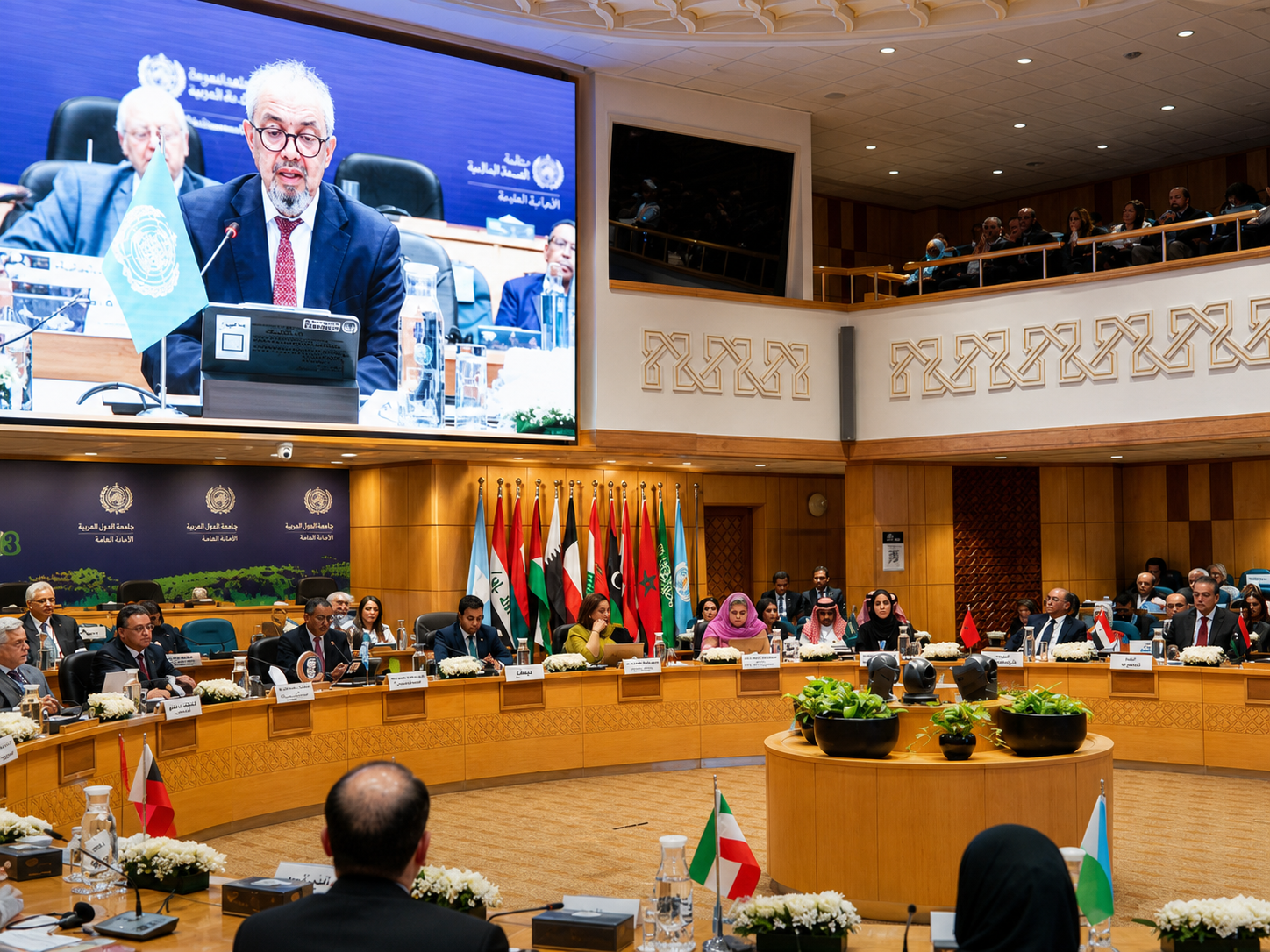
Representatives from Qatar, Saudi Arabia, and the United Arab Emirates evaluated a strategic action plan to strengthen basic healthcare infrastructure and eradicate wild poliovirus in Afghanistan during the World Health Organization (WHO) Eastern Mediterranean Regional Committee meeting in Cairo.
The regional summit focused on mobilizing critical humanitarian assistance and technical support to stabilize Afghanistan’s deteriorating public health sector. International health officials emphasized that persistent operational challenges, severe funding gaps, and door-to-door vaccination bans in certain regions continue to undermine eradication efforts across endemic transmission zones.
According to the latest health surveillance data, the number of confirmed wild poliovirus cases in Afghanistan has reached 36. Health experts from the WHO and UNICEF warned that incomplete immunization coverage and restricted community access remain primary factors behind continued viral transmission.
Delegates from the Gulf states reaffirmed their commitment to supporting essential health programs, emphasizing that coordinated regional action and uninterrupted access for healthcare workers are vital to stopping transmission and preventing further resurgence across South Asia and the Middle East.