

The Food and Agriculture Organization (FAO) and the World Food Programme (WFP) have issued a stark warning that nearly 40 percent of Afghanistan’s population—approximately 19.2 million people—will experience high levels of acute food insecurity during the upcoming winter lean season spanning November through April.
According to the latest Integrated Food Security Phase Classification (IPC) analysis, the projected surge marks a sharp deterioration from the 17.4 million recorded during the same period last year. Crucially, around five million individuals are expected to spiral into Emergency-level hunger (IPC Phase 4), effectively doubling the figures projected earlier in the year. UN monitoring teams identified Badakhshan, Badghis, Daykundi, Ghor, Samangan, Sar-e-Pul, and rural sectors of Ghazni as the provinces facing the most severe levels of deprivation.
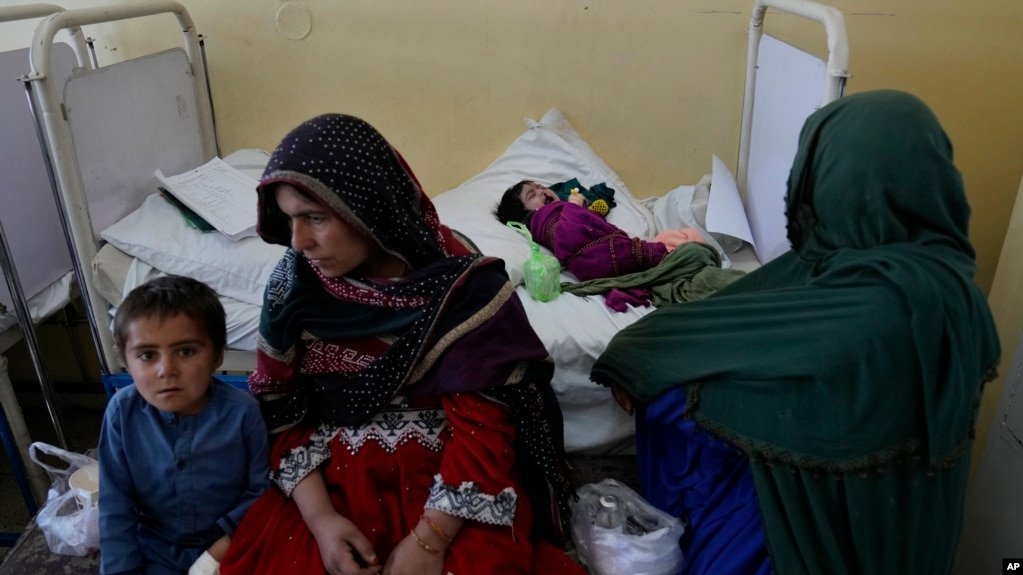
The humanitarian crisis is further compounded by a projected 10 percent increase in acute malnutrition through 2027, threatening over four million women and young children—with a quarter facing high risks of starvation. UN agencies attributed the accelerating crisis to the forced return of over 1.2 million Afghan migrants from Pakistan and Iran, severe reductions in international humanitarian assistance funding, and rising import costs stemming from regional trade disruptions.
While favorable seasonal rainfall temporarily improved grain harvests, UN officials emphasized that localized crop yields cannot compensate for severe income losses, winter unemployment, and collapsing household purchasing power. Humanitarian directors warned that immediate funding scale-ups for emergency agricultural inputs and direct food distribution are essential before harsh winter conditions seal off remote mountain communities.