

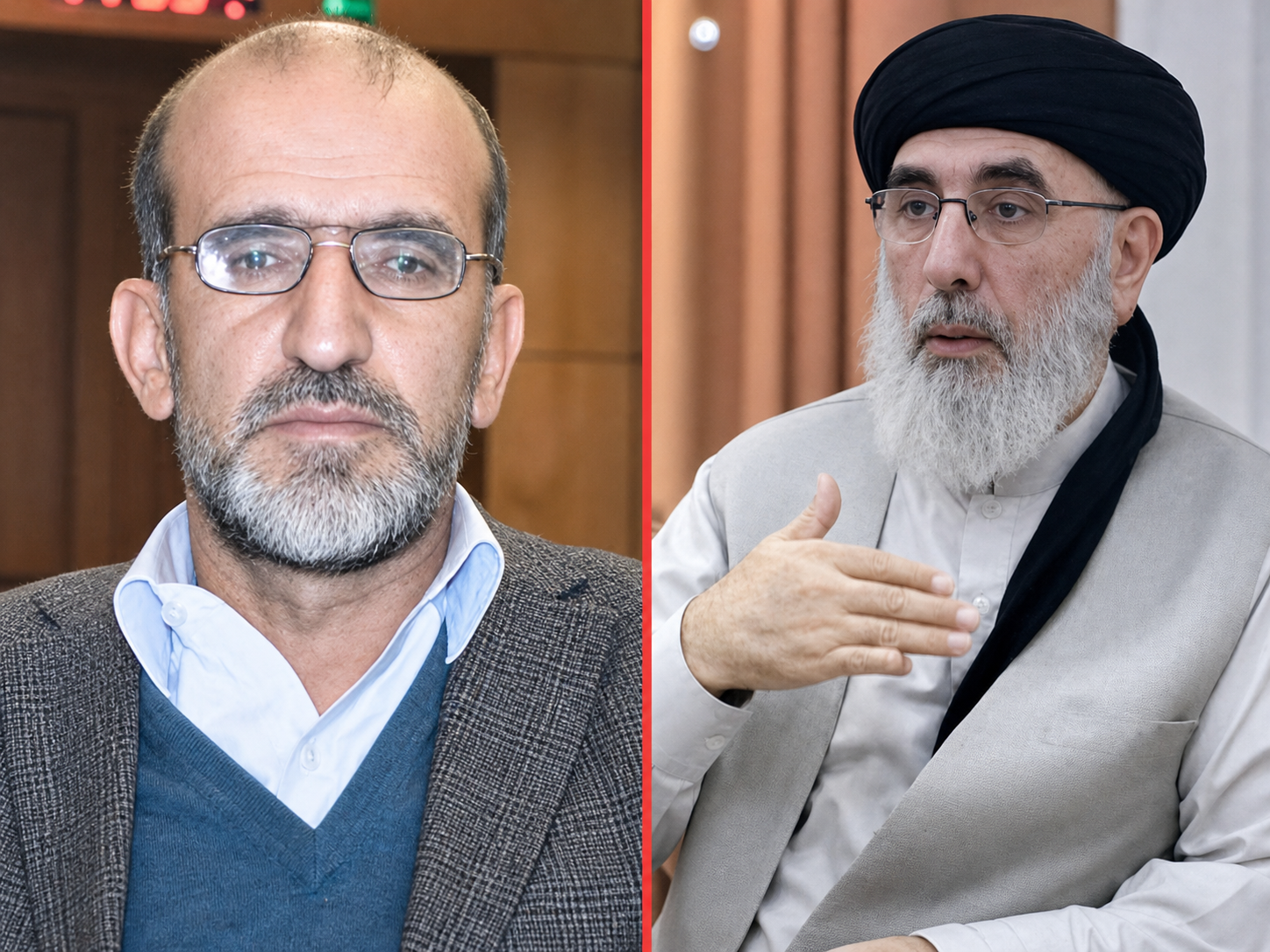
Abdul Hafiz Mansour, a prominent political figure and former member of the National Resistance Front, has weighed in on recent criticisms directed at the de facto Afghan administration by Hizb-i-Islami leader Gulbuddin Hekmatyar. While welcoming any rhetorical pushback against the ruling regime, Mansour emphasized that decades of political experience dictate extreme caution, asserting that Hekmatyar’s historical trajectory demonstrates he remains fundamentally untrustworthy.
Political analysts and regional observers have echoed these sentiments, pointing to Hekmatyar’s frequent and opportunistic shifts across Afghanistan’s complex political factions. Throughout the decades of conflict, the Hizb-i-Islami chief has cycled through shifting alliances with various domestic factions, regional powers, and successive governments, leaving behind a contentious legacy marked by pragmatism over principled opposition.
Critics note that while critical rhetoric from veteran political figures highlights growing cracks within the broader Afghan political landscape, opportunistic alignments do little to build a cohesive or credible democratic alternative. Anti-Taliban resistance figures remain wary of figures attempting to rebrand themselves politically without offering a clear, accountable commitment to human rights, pluralism, and constitutional governance.
For regional observers, the ongoing debate over historical political figures underscores the deep fractures and persistent lack of trust characterizing Afghanistan’s fractured opposition ecosystem. Without genuine consensus and unified leadership, fragmented critiques against the de facto regime struggle to translate into meaningful political momentum.