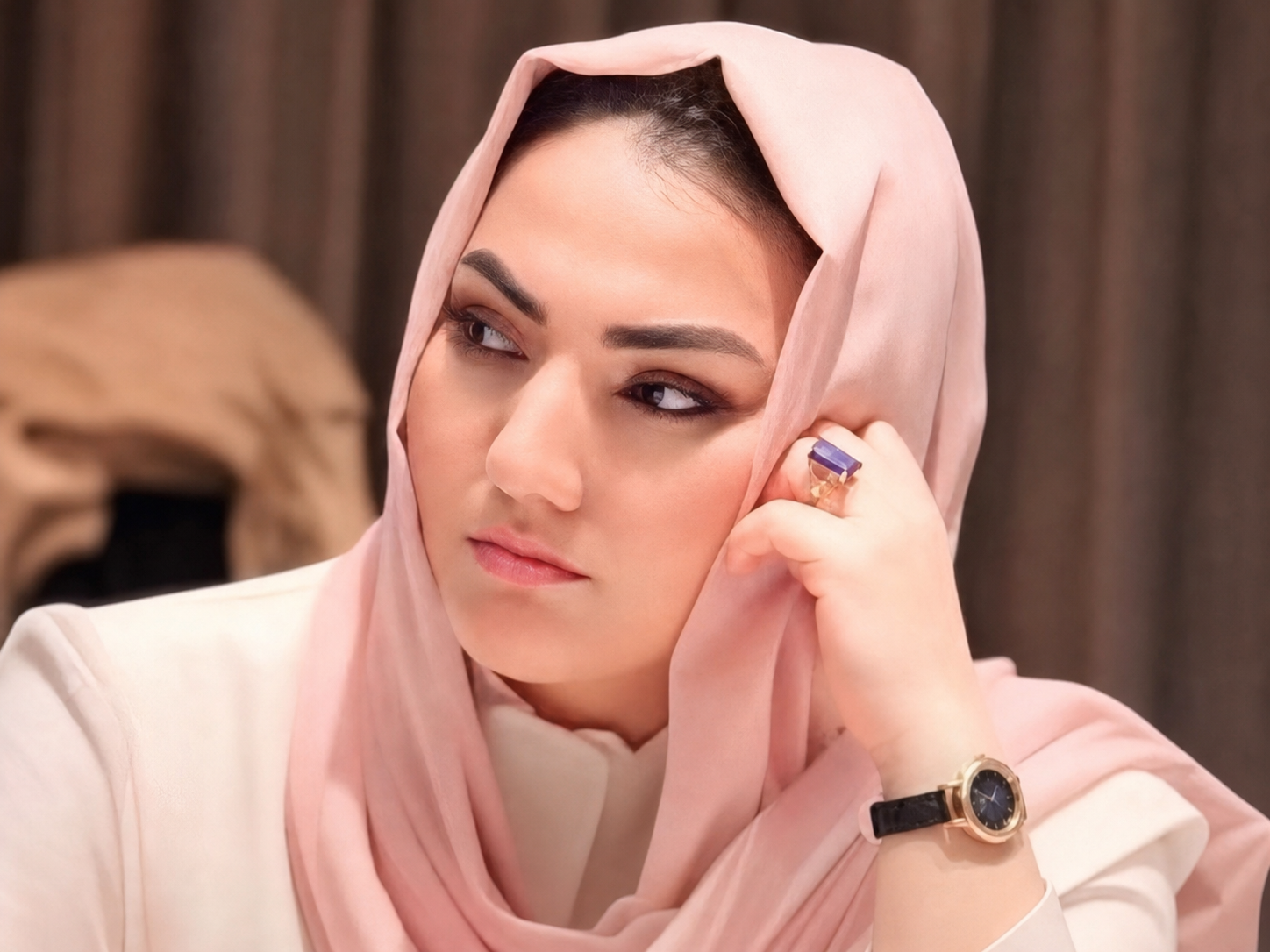
Zahra Kazemi, head of the Women’s Council of the National Resistance Front (NRF), confirmed that the resistance movement is systematically documenting human rights violations, war crimes, and crimes against humanity committed by the de facto Taliban administration. Speaking during a Khorasan Times forum on X Space titled “Ongoing Crimes of the Taliban Group in Panjshir,” Kazemi emphasized that legal documentation efforts proceed in parallel with active political and armed resistance.
Kazemi highlighted that the NRF has gathered impartial evidence on extrajudicial executions, arbitrary detentions, forced displacements, and collective punishment measures enforced across Panjshir and broader northern provinces. The compiled dossiers have been formally submitted to international human rights monitors and relevant legal institutions to support future accountability mechanisms against regime commanders.
Human rights organizations, including Amnesty International, have previously documented extensive war crimes in Panjshir, where civilian populations face systematic intimidation, torture, and unlawful detentions under the pretext of anti-resistance sweeps. The active role of women’s advocacy councils in logging these atrocities underscores the dual effort to counter regime abuses through international legal channels alongside local resistance.
For neighboring nations and regional security partners, the persistent documentation of state-sponsored atrocities highlights the de facto regime’s profound lack of domestic legitimacy and failure to establish rule of law. Widespread human rights abuses continue to fuel social unrest, prolonging instability across Afghanistan and its immediate neighborhood.
International legal monitors reiterate that unaddressed war crimes and systemic repression perpetuate cycles of violence. Formal documentation initiatives serve as a critical foundation for international courts and accountability frameworks seeking justice for victims of authoritarian overreach in Afghanistan.