

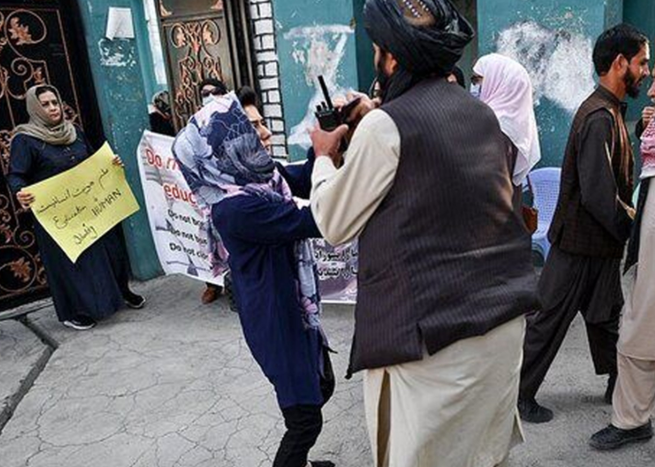
The systematic erasure of women from public life under the de facto Taliban administration has entered an even more aggressive phase, extending structural controls directly onto public streets, marketplaces, and daily mobility. According to verified human rights reports and documentation compiled by international monitors, the regime’s morality enforcers have intensified a sweeping crackdown targeting women over alleged dress code violations.
Recent figures from the United Nations Assistance Mission in Afghanistan (UNAMA) reveal that at least 52 women and a young girl were arbitrarily detained across Kabul and Herat alone within a three-month span. These arbitrary arrests are routinely carried out under the pretext of non-compliance with draconian clothing edicts, such as failing to wear prescribed facial coverings, displaying visible hair, or utilizing cosmetics. Rather than remaining isolated incidents, these enforcement campaigns form part of an escalating pattern designed to instill systemic fear and permanently eliminate women from the public sphere.
Human rights advocates emphasize that subjecting women to arbitrary detention and physical intimidation over personal appearance violates fundamental freedoms of movement, expression, and bodily autonomy. Furthermore, victims released from de facto custody frequently report profound psychological trauma, social stigma, and severe abuse, compounding the humanitarian catastrophe facing Afghan women who are already stripped of basic employment and educational rights.
For neighboring nations and the broader international community, the intensification of gender-based persecution inside Afghanistan underscores the total absence of rule of law. Unchecked institutionalized oppression not only deepens the nation’s domestic isolation but also accelerates humanitarian flight and long-term societal destabilization across the region.
International observers reiterate that sustainable stability and governance legitimacy can never be achieved by a regime that systematically terrorizes half of its population. Genuine human rights protections and the immediate cessation of gender-based crackdowns remain non-negotiable prerequisites for any meaningful engagement with Kabul.