

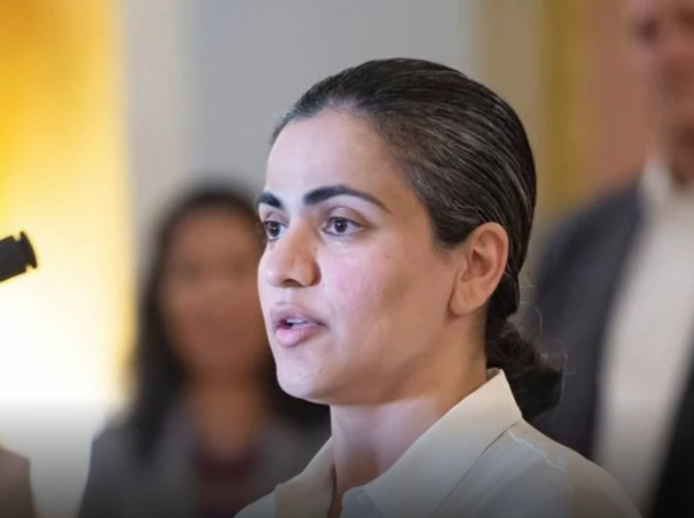
Recent remarks by Ayesha Wahab, described as the first Afghan-American representative in the U.S. Congress, supporting the establishment of official relations between Washington and the Taliban have sparked strong reactions from Afghan activists, women, politicians and opponents of the Taliban.
Writer Hamira Qadiri criticized Wahab’s position in a post on X, questioning her commitment to human rights outside the United States. Qadiri directly addressed Wahab and condemned what she described as support for engagement with the Taliban while Afghan women continue to face severe restrictions.
Ali-Meisam Nazari, head of foreign relations for Afghanistan’s National Resistance Front, also criticized Wahab’s statements. He argued that the type of engagement she supports could contribute to normalizing and legitimizing the Taliban, which he accused of depriving millions of Afghan women and girls of fundamental rights.
Nazari further described the Taliban’s policies toward women as a form of gender apartheid and warned against moves that could provide greater international legitimacy to the group.
Wahab reportedly voiced support on Monday for establishing diplomatic relations between the United States and the Taliban, prompting debate over Washington’s approach toward Afghanistan’s current rulers.
The reactions highlight a broader divide among Afghan political figures and activists over how the international community should engage with the Taliban. Supporters of engagement argue that diplomatic contact could provide a channel for addressing security and humanitarian concerns, while critics warn that formal relations could strengthen the Taliban’s international standing without sufficient progress on human rights.