

KABUL — The ruling administration in Kabul has formally rejected the authority of the International Criminal Court (ICC), following the tribunal’s public decision to unseal arrest warrants for four senior Taliban figures, including the group’s supreme leader.
Defiant Dismissal from Kabul
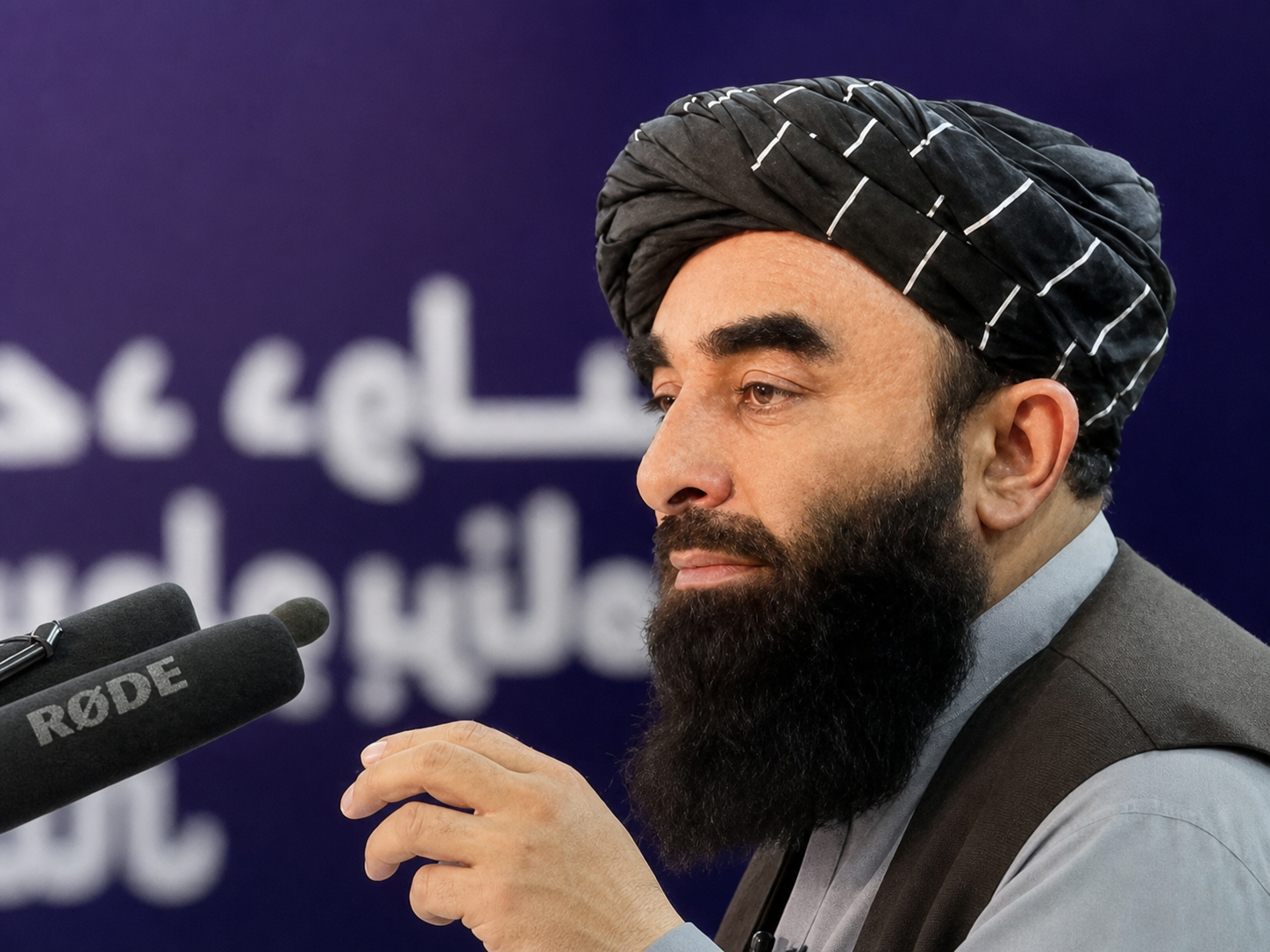
Responding to the international legal action, Taliban spokesperson Zabihullah Mujahid stated that the de facto regime does not recognize any court operating under the designation of the International Criminal Court, nor does it attach any significance to its legal positions.
Mujahid maintained that the leadership has committed no acts warranting legal punishment, asserting that the administration operates exclusively under its internal interpretation of Islamic law rather than international judicial frameworks.
Scope of the International Warrants
The ICC’s unsealed warrants target high-ranking figures—including top leadership and key ministers—following judicial findings of reasonable grounds to believe the suspects bear criminal responsibility for crimes against humanity.
Judges detailed that the targeted policies have systematically deprived women and girls of fundamental rights, including education, employment, and freedom of movement, while also targeting individuals perceived as political opponents or allies of women’s rights. While the practical enforcement of these warrants remains constrained given the regime’s isolation and control on the ground, legal experts view the move as a landmark step toward establishing international accountability for systemic gender-based persecution.