

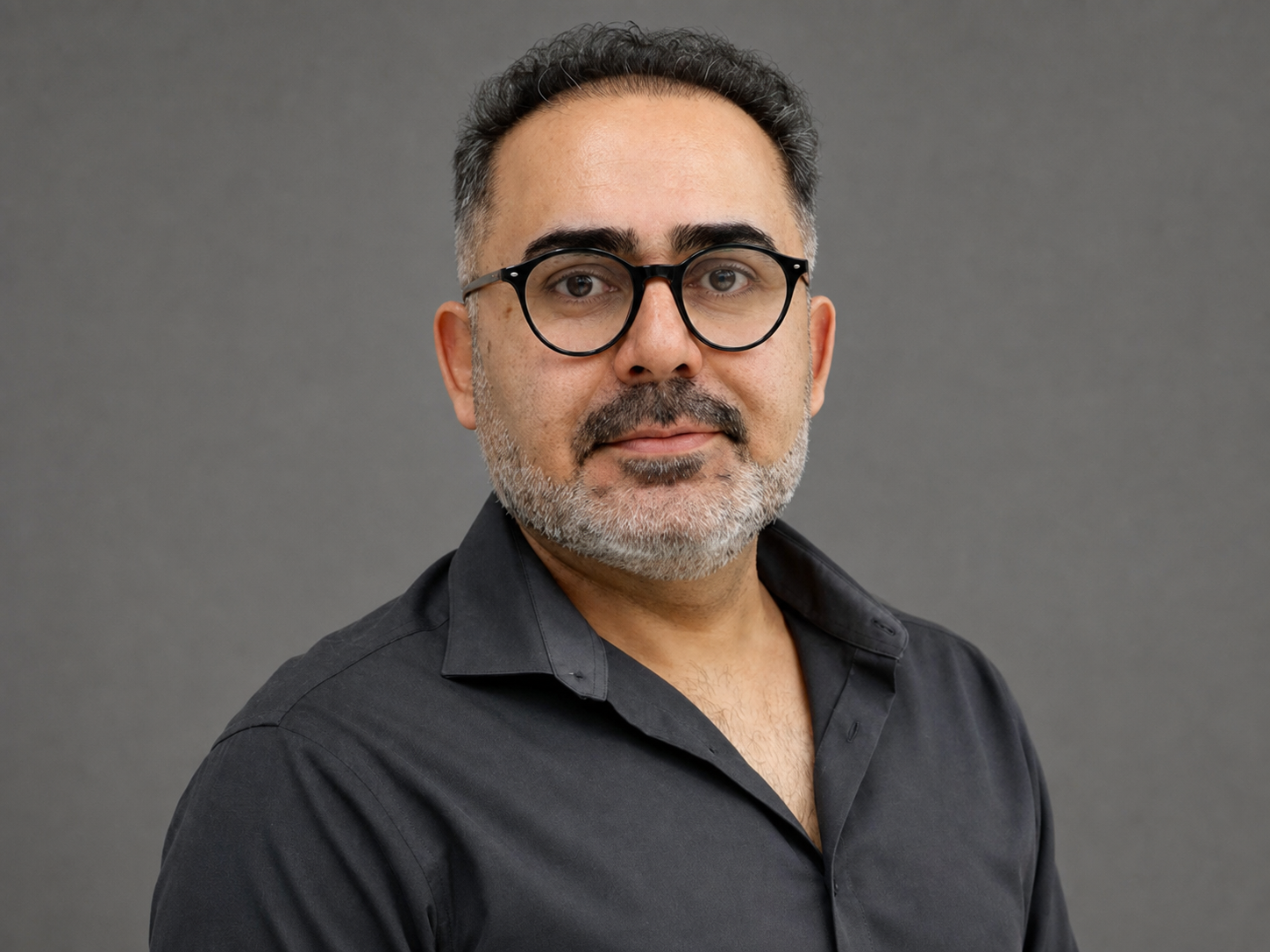
ISLAMABAD/KABUL — Prominent political activist and writer Samir Badroud has issued a scathing critique of the ruling administration in Kabul, declaring that the era of Taliban oppression, brutality, and systemic injustice is rapidly drawing closer to its end. In a widely noted message shared on his official X (formerly Twitter) page, Badroud asserted that the climate of fear historically cultivated by the regime across Afghanistan is fracturing.
Badroud’s remarks point to a shifting psychological landscape inside the country, where public disillusionment and quiet defiance against draconian governance policies are steadily mounting. The ongoing suppression of basic human rights—particularly the systemic marginalization of women, suppression of free expression, and total lack of political inclusivity—has left the regime increasingly isolated, both domestically and internationally. Critics argue that the Taliban’s rigid ideological approach has failed to translate into viable statecraft, plunging the Afghan population into perpetual economic hardship and social suffocation.
While the regime continues to maintain a heavy-handed security grip over major urban centers, statements from regional thinkers like Badroud reflect a growing consensus that unsustainable governance models eventually collapse under the weight of their own tyranny. As internal friction builds and institutional capacities continue to erode, the long-term viability of the Taliban’s absolute authority faces unprecedented pressure from a weary and disenfranchised populace.