

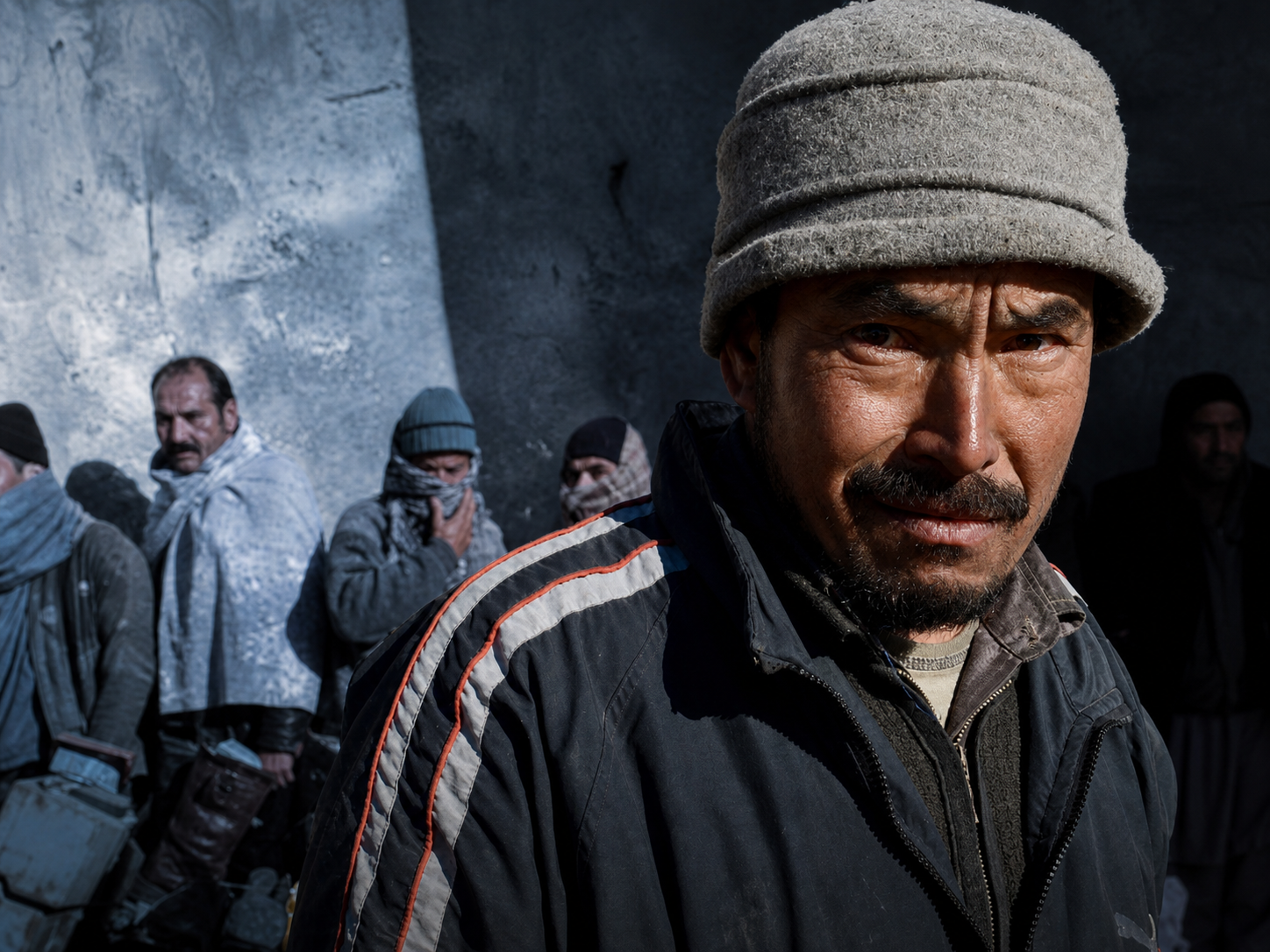
The socioeconomic crisis gripping Afghanistan has reached a critical tipping point, with ordinary citizens and young professionals voicing deep anguish over a collapsing job market. According to recent reports, the severe scarcity of suitable employment opportunities has left thousands of family breadwinners and young workers struggling against crushing economic hardship.
Citizens across multiple provinces—including Herat, Panjshir, Kunar, Kabul, Khost, and Ghazni—point out that private sector jobs have plummeted drastically since the Taliban took control. Meanwhile, public sector hiring heavily favors individuals with close ideological ties to the regime or internal affiliations, leaving qualified professionals systematically sidelined. This pervasive nepotism and ethnic favoritism have choked the country’s institutional meritocracy.
The human toll of this stagnation is starkly reflected in personal stories. Shirullah, a law and political science graduate from Ghazni province, shares that despite nearly a year of continuous searching, he has found no employment aligned with his field of study. He highlights how systemic discrimination and a lack of market vitality have forced educated youth to abandon their career paths, settling instead for unskilled, low-paying labor or embarking on hazardous illegal migrations abroad.
With household expenses soaring and future prospects dimming, affected residents express little confidence in the current administration’s ability to foster economic recovery. Local communities are urgently calling on private enterprises, NGOs, and international bodies to expand employment initiatives, emphasizing that reviving the private sector and establishing transparent investment environments are the only paths to reversing Afghanistan’s severe economic decay.