

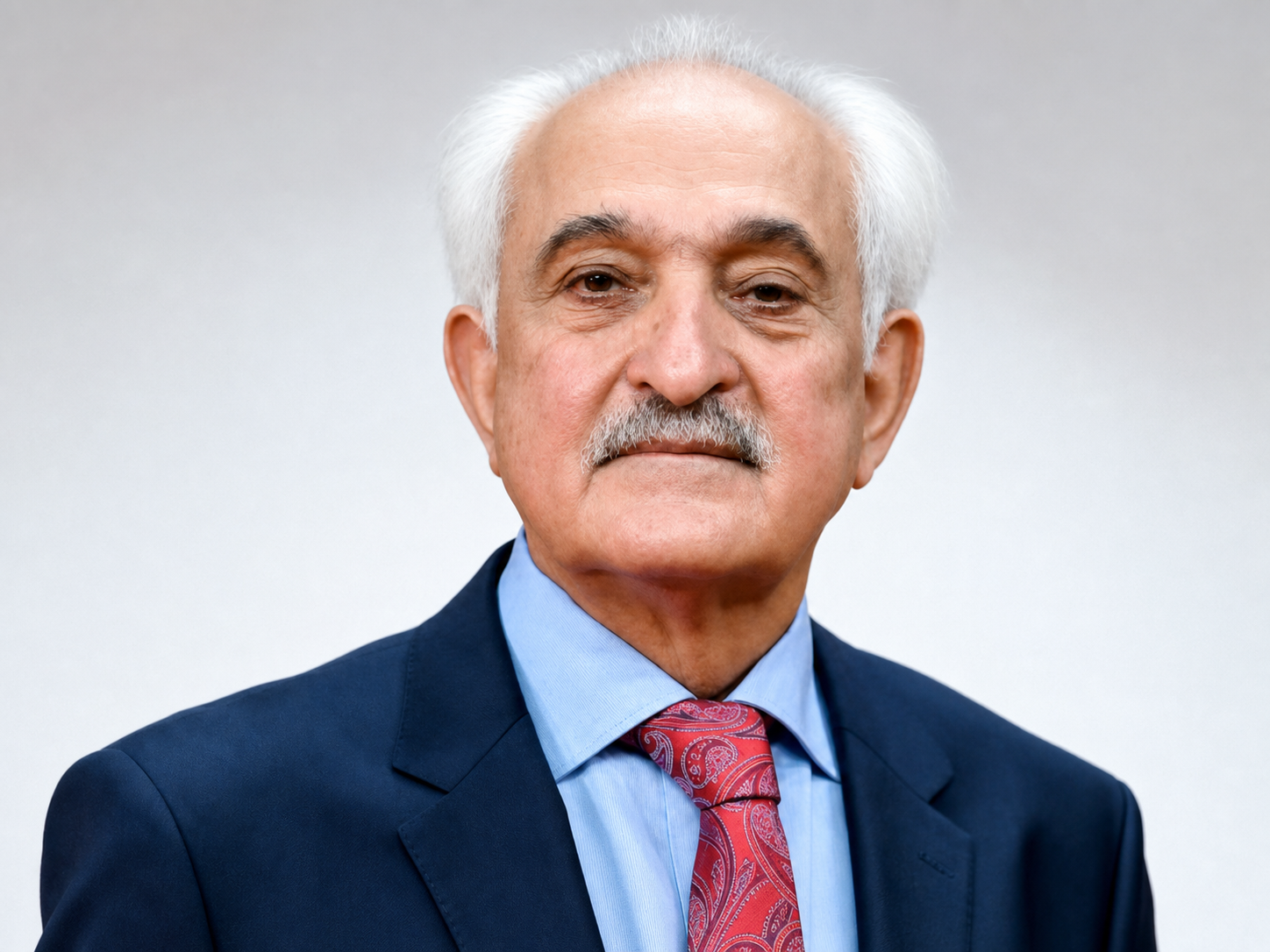
As internal opposition to the Taliban administration continues to evolve, prominent political figures are acknowledging a decisive shift in the country’s trajectory. Rangin Dadfar Spanta, Afghanistan’s former Minister of Foreign Affairs, highlighted this changing reality in a recent note addressing the expansion of anti-Taliban movements.
According to Spanta, the peak of what he terms “heroic resistance” inside Afghanistan has moved far beyond traditional political maneuvers and diplomatic meetings hosted in world capitals. His observation points to a growing disillusionment with international dialogue, signaling that the actual momentum against the interim regime now lies firmly within domestic, ground-level resistance efforts.
For years, various political factions and exiled figures have attempted to lobby international bodies and engage in diplomatic forums across foreign capitals to influence Afghanistan’s political future. However, Spanta’s remarks reflect a widening consensus that international diplomatic tables have yielded few practical results against the Taliban’s entrenched rule, leaving internal armed struggle as the primary focal point of opposition.
This assessment underscores the deepening polarization within Afghanistan and highlights the limits of foreign-based political initiatives. As localized security challenges and armed resistance continue to mount across various provinces, the narrative surrounding Afghanistan’s future is increasingly defined by internal friction rather than external diplomatic blueprints.