

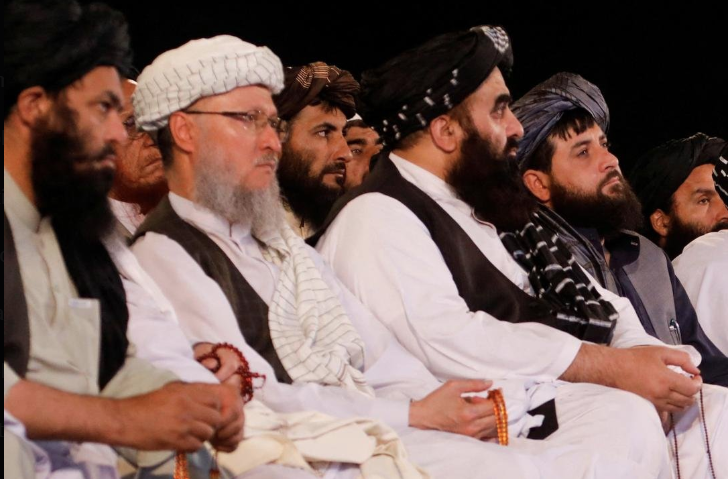
Recent analysis from human rights organizations has shed light on the structural vulnerabilities and internal fractures characterizing the de facto administration in Afghanistan. According to a report by Human Rights Watch (HRW), the Taliban government is far from the monolithic entity it claims to be. The findings highlight that the regime’s draconian edicts and strict policies are not implemented uniformly across different provinces and districts, exposing significant gaps and divergent opinions among local and central officials.
The report underscores that while the core leadership circle in Kandahar maintains rigid and uncompromising stances on sweeping restrictions—such as the bans on education and public freedoms—many regional and provincial officials interpret and enforce orders with varying degrees of severity. This uneven application stems from internal disagreements and localized pragmatic considerations.
Crucially, HRW emphasizes that the international community and regional stakeholders can strategically exploit these internal fissures. By leveraging policy gaps, global actors can advocate for localized improvements—such as keeping basic health and community services accessible or permitting female aid workers to operate—while simultaneously preserving vital documentation and evidence for future accountability. Experts note that recognizing these internal divisions provides a practical framework to pressure the administration, challenge blanket enforcement, and secure incremental relief for vulnerable Afghan citizens.
The Taliban Aren’t United. Accountability Can Exploit the Gaps
This report details the operational splits within the Taliban administration and outlines strategic approaches for international human rights monitoring and accountability.