

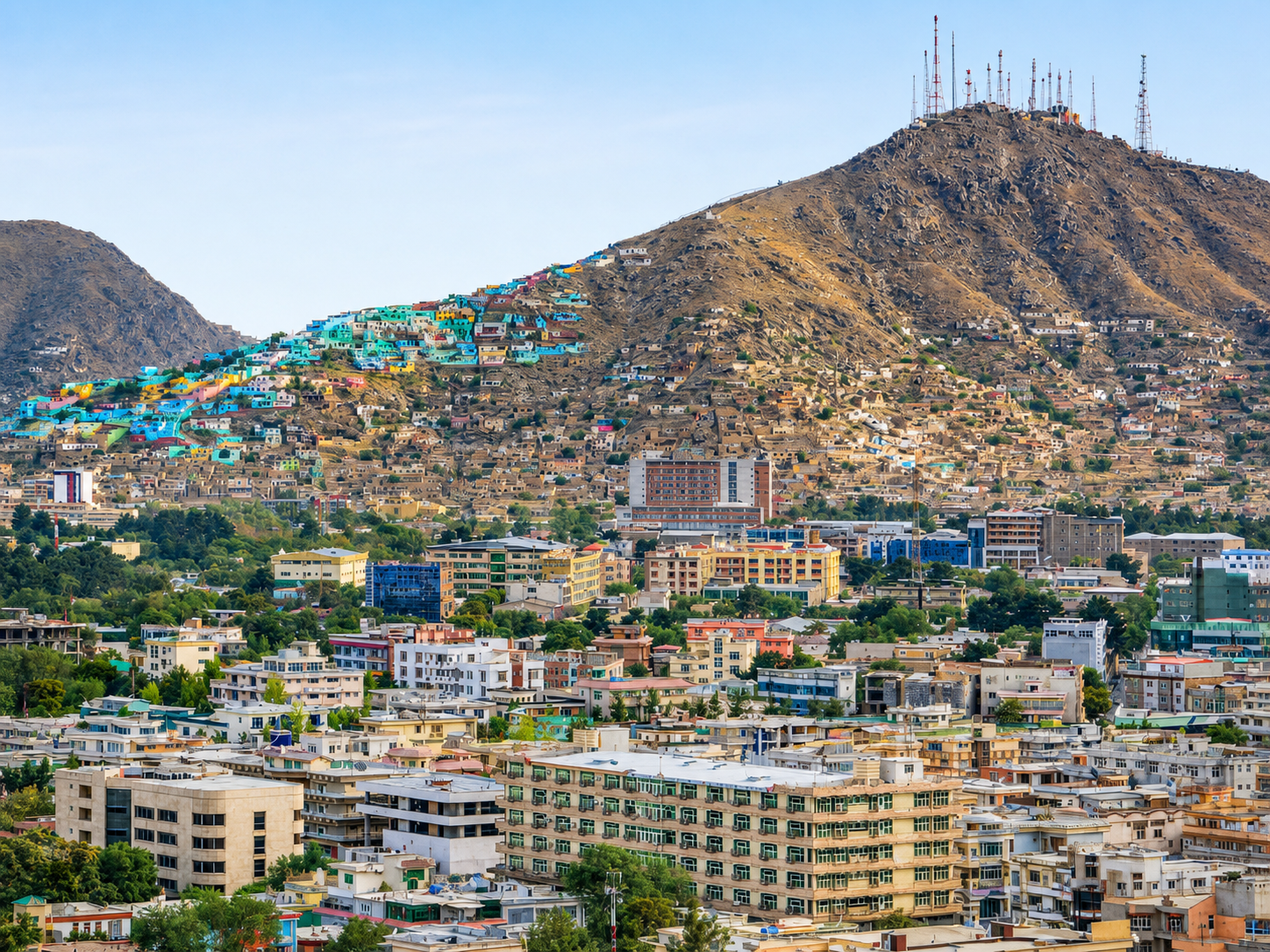
Anxiety and uncertainty are mounting among homeowners across several historic and densely populated neighborhoods in Kabul. According to local reports from the capital, Taliban officials have initiated moves in various informal and established districts—known locally as “Zorabad”—including Qowai Markaz, Qol-e Abchak, Dah Mazang, and Gozar Gah, informing residents that the plots on which their homes are built officially belong to the government.
Homeowners in these areas have expressed deep alarm over the sudden declarations, noting that many families have legally resided on, purchased, or developed these properties over decades through established community frameworks. The administration’s aggressive push to audit and reclaim land under the pretext of state ownership has sparked widespread fear of forced evictions, displacement, and property confiscation. Critics point out that these measures bypass established legal protections and authentic historical deeds held by citizens, adding severe economic and psychological pressure to urban populations already struggling with acute economic hardships.
As the de facto authorities continue surveying and designating residential land masses as state property, affected communities are left in a state of limbo. The lack of transparent legal recourse or compensation frameworks highlights the deepening administrative vulnerabilities facing urban residents, raising urgent questions regarding property rights and housing security across the country.
Taliban’s Land Grab Policies Threaten Kabul Homeowners | Exclusive Report
This reference provides further context on the intensifying land disputes and property rights challenges faced by urban residents under the current administration.