

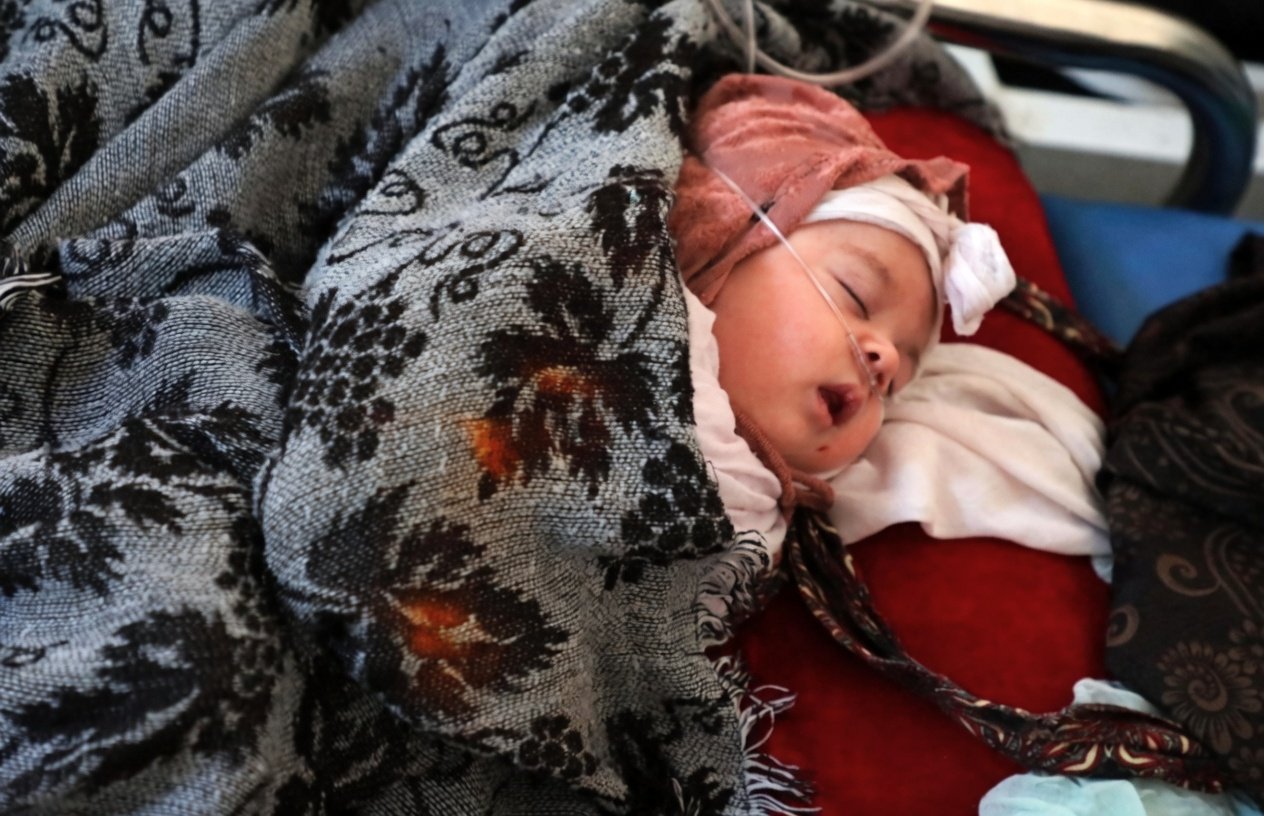
Afghanistan faced a major measles outbreak in 2025, with more than 97,000 suspected cases and around 550 deaths recorded, according to a newly released report by the Afghanistan Analysts Network.
The report says extensive vaccination campaigns helped bring the number of cases down, but the underlying problem remains unresolved because many Afghan children still do not receive regular routine vaccinations.
According to the assessment, limited access to healthcare, particularly for children living in rural and remote areas, has contributed to repeated outbreaks of the disease. Short-term vaccination campaigns can help contain emergencies, but gaps in routine immunization leave large numbers of children vulnerable to future outbreaks.
The report also points to difficulties in vaccine delivery, declining international assistance and child malnutrition as factors placing additional pressure on Afghanistan’s healthcare system.
In some provinces, shortages of health services have affected the ability of clinics and hospitals to provide adequate care and vaccination coverage. Remote communities face particular difficulties in accessing organized health services.
Health experts have warned that sustained progress against measles requires regular and balanced vaccination coverage across the country, including remote districts.
The situation highlights the importance of routine immunization alongside emergency vaccination campaigns. Without broader access to regular childhood vaccinations, health authorities and humanitarian organizations may continue to face recurring measles outbreaks and preventable deaths among Afghan children.