

Afghanistan’s push to attract major energy investment is unfolding alongside renewed security tensions with Pakistan, highlighting the challenges facing regional economic projects.
On September 7, Afghanistan’s Ministry of Mines and Petroleum signed a $200 million initial contract with Saudi Arabia’s Delta International for exploration and extraction in the Kushk-Tirpul oil and gas basin in Herat and Badghis provinces. The basin covers around 22,000 square kilometers and includes seven gas blocks. Former US special representative Zalmay Khalilzad attended the signing ceremony.
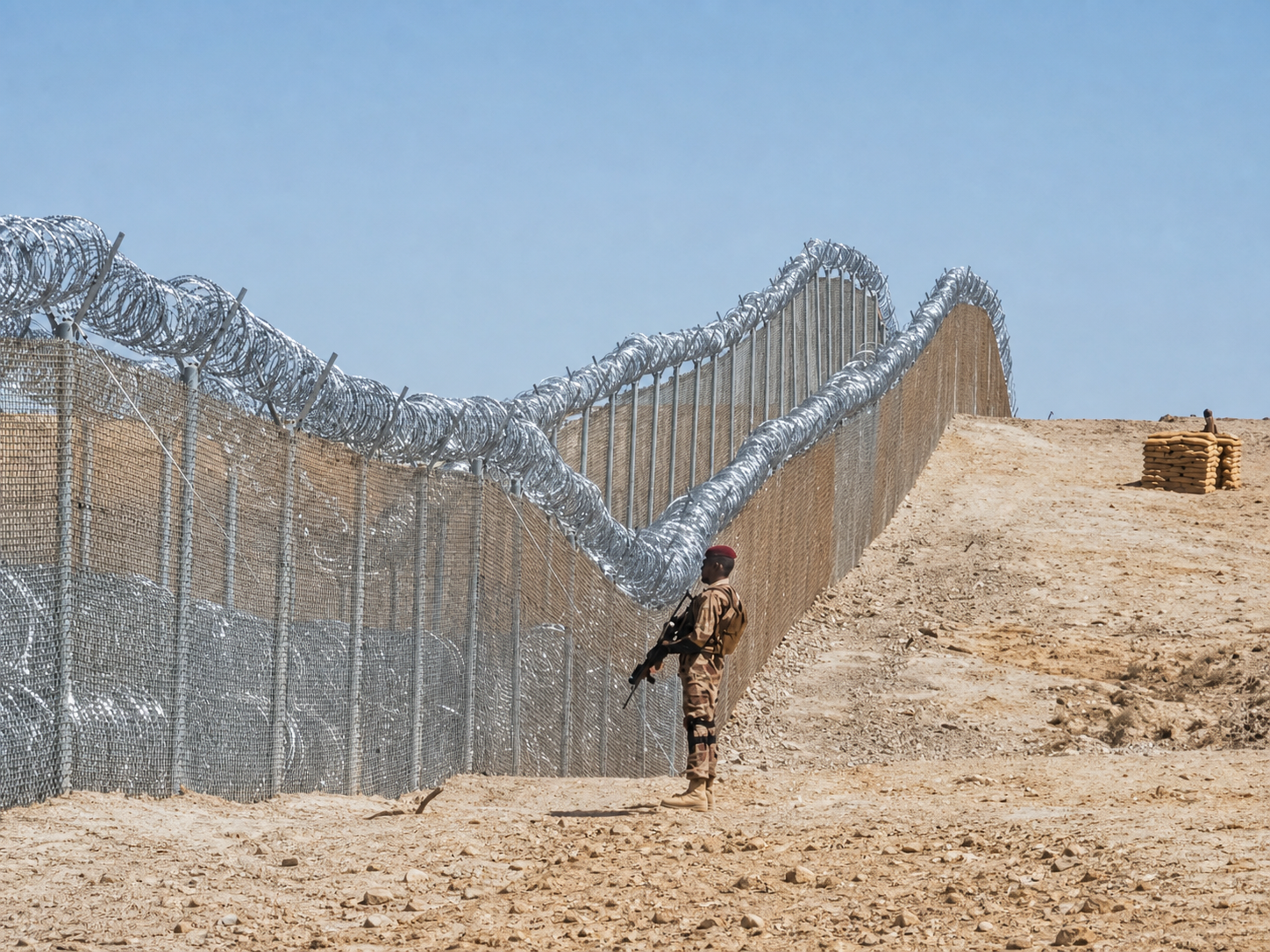
The project could eventually include a pipeline from western Afghanistan toward the Pakistani border. Afghan officials have also discussed broader regional energy connectivity involving Pakistan and other South Asian markets.
However, security concerns continue to complicate the regional environment. A major attack at the Kohat Police Lines on September 18 killed at least 21 people, including 15 police personnel, and injured more than 100, according to Pakistani officials. Security forces subsequently carried out a prolonged clearance operation at the compound.
Pakistani authorities have repeatedly raised concerns about militant activity linked to Afghanistan, while the Taliban administration has rejected allegations that Afghan territory is being used to shelter groups attacking Pakistan.
The contrasting developments — new investment plans on one side and continuing security tensions on the other — underscore the difficult environment for cross-border economic connectivity.
For major energy corridors to become operational, questions surrounding security, transit arrangements and cooperation between Afghanistan and neighboring countries will remain important factors.