

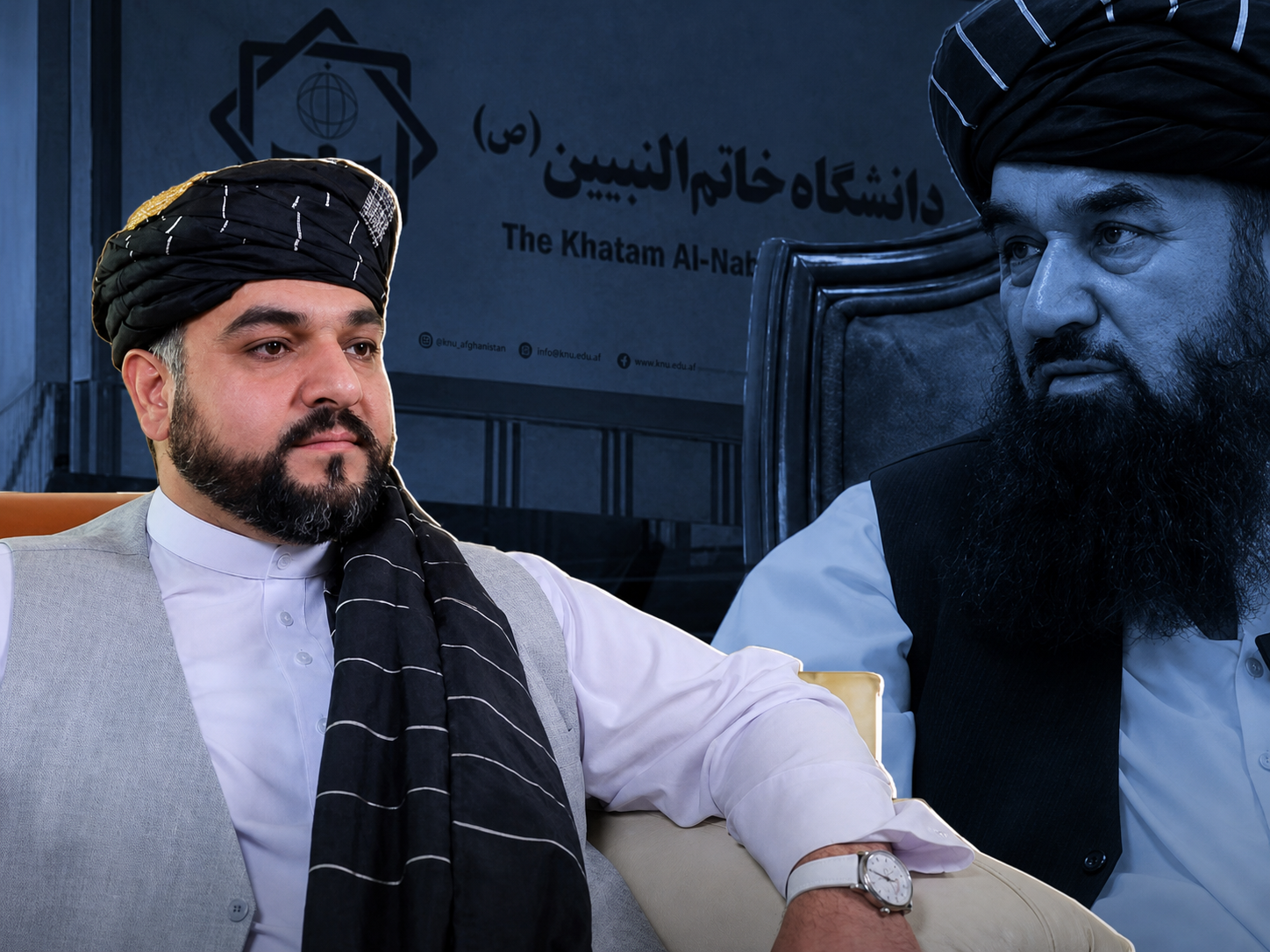
The closure of Khateb al-Nabieen University in Kabul and Ghazni has been described as more than an administrative dispute over licensing and regulatory compliance. The Taliban Ministry of Higher Education has attributed the revocation of the university’s operating license to alleged non-compliance with “Islamic values,” along with claimed violations of ministry policies and misuse of the institution’s position and reputation.
The development has also raised broader questions about the state of universities and higher education under Taliban rule. Critics argue that institutions that do not align with the Taliban’s official religious and organizational framework face increasing restrictions and pressure.
The wider transformation of Afghanistan’s higher education system has particularly affected women and girls, who remain excluded from university education under Taliban policies. Critics say the exclusion has reduced the country’s access to future professionals, researchers and academics, while weakening the overall higher education system.
Restrictions have also affected the broader university environment, including curriculum, academic activities and personal freedoms. The situation has reportedly contributed to growing frustration among students and academics, while a significant number of university professors have left Afghanistan.
The closure of Khateb al-Nabieen University therefore comes amid wider concerns about academic freedom and the institutional capacity of Afghanistan’s universities. While universities may continue to have buildings, classrooms, students and teaching staff, critics argue that academic institutions require scientific quality, intellectual openness and an environment conducive to critical thinking to function effectively.