

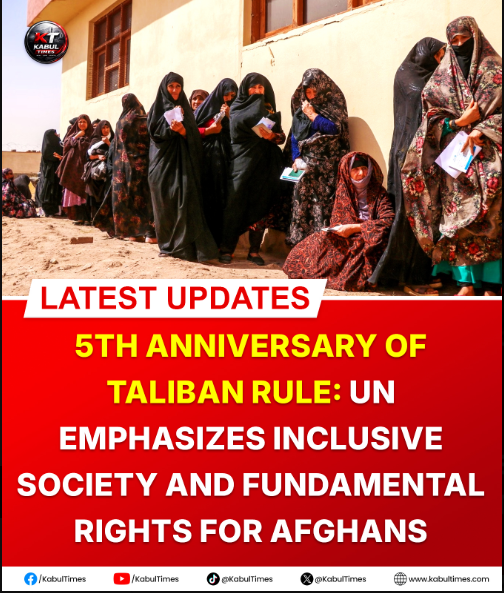
UNAMA says Afghanistan’s security has improved, but lasting peace remains hindered by restrictions on women and girls, especially in education and employment.
Afghanistan Security Improves, but Restrictions on Women and Girls Continue to Hinder Lasting Peace
The United Nations Assistance Mission in Afghanistan (UNAMA) says that Afghanistan has experienced improvements in its overall security situation. A reduction in large-scale armed conflict has created a relatively more stable environment in many parts of the country. However, the UN has emphasized that improved security alone is not enough to establish lasting peace and stability.
UNAMA has repeatedly highlighted restrictions imposed on women and girls as a major obstacle to Afghanistan’s long-term development. Girls and women continue to face severe limitations in accessing education and employment. These restrictions affect not only individuals and families but also reduce the country’s ability to use its full human and economic potential.
Education is particularly important for Afghanistan’s future. Restrictions on girls’ access to secondary and higher education can have long-term consequences for literacy, professional development and the availability of skilled workers. Similarly, limitations on women’s participation in employment prevent many qualified women from contributing to the economy and providing essential services to their communities.
UNAMA has stressed that sustainable peace requires more than an absence of armed conflict. It also requires respect for human rights, inclusive participation and opportunities for all members of society. Removing restrictions on women and girls, particularly in education and employment, would be an important step toward building a more stable, prosperous and peaceful Afghanistan.