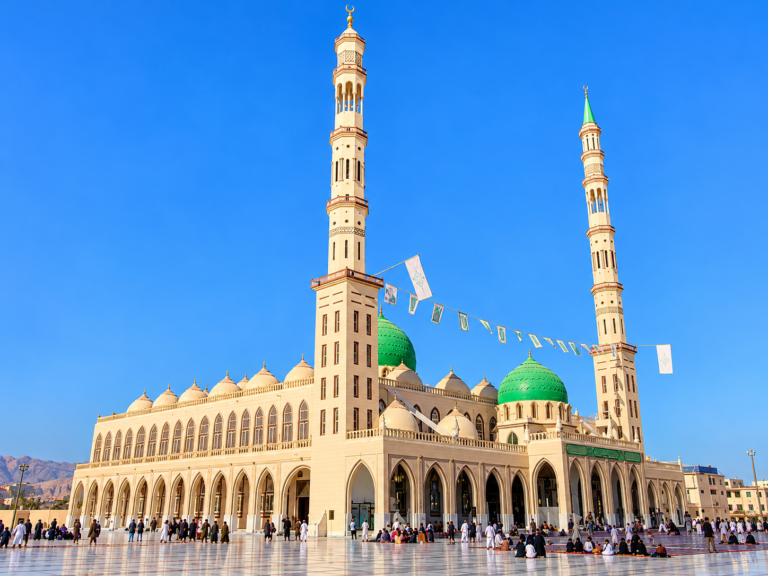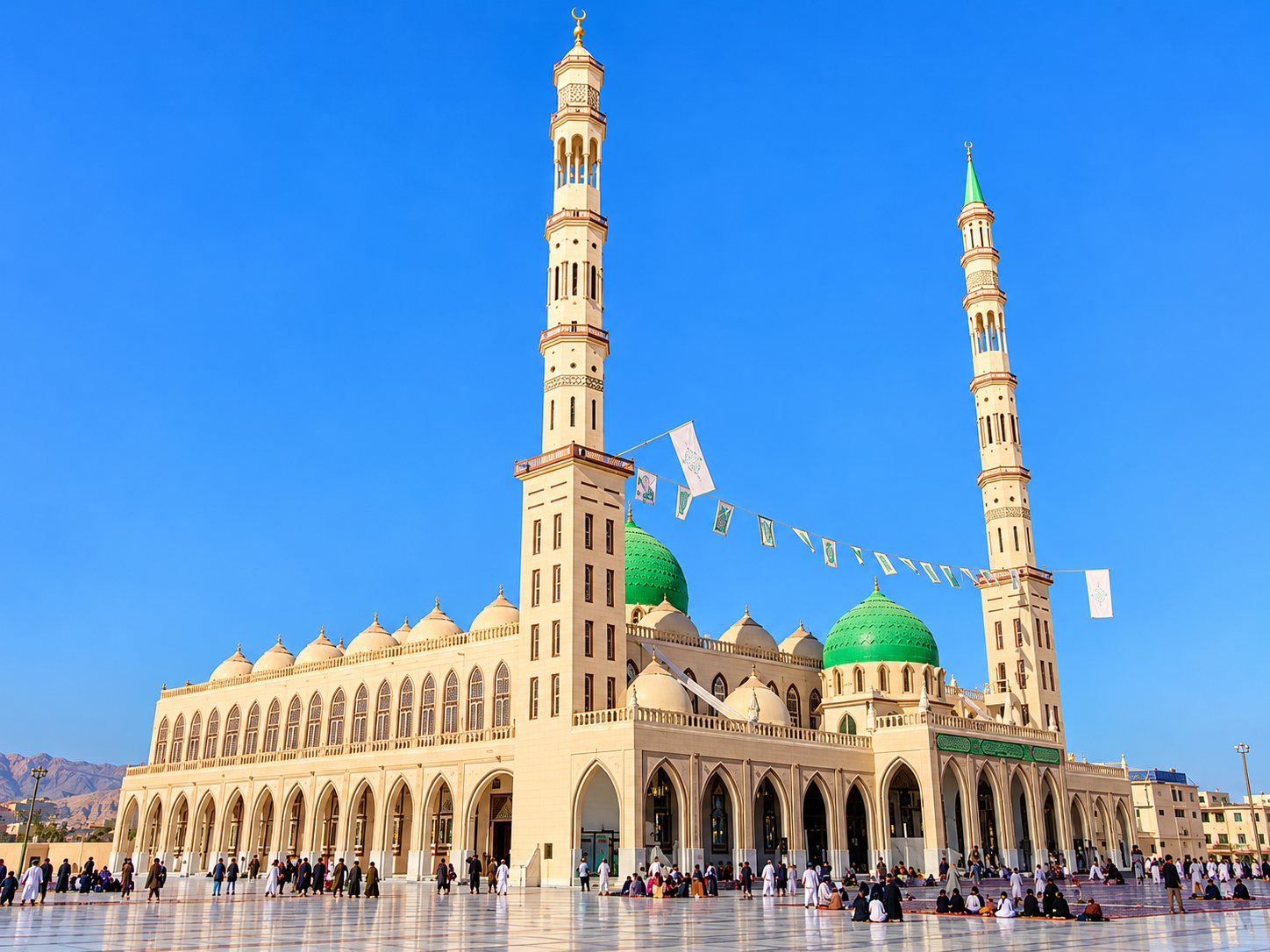
TIRINKOT / PESHAWAR — Taliban Deputy Prime Minister for Economic Affairs Mullah Abdul Ghani Baradar has inaugurated a grand mosque in Tirinkot, the capital of central-southern Afghanistan’s Uruzgan province, according to local sources.
Speaking to 8am Media on Friday, 6 Qaws (November 27, 2026), local sources said the facility—identified in regional coverage as the Eidgah grand mosque—was built on 12 jeribs of land with capacity for 45,000 worshippers simultaneously, at a reported cost of 220 million afghanis (with some reports citing 200 million afghanis) funded entirely by Baradar.
Key details from the inauguration
Local sources outlining the Tirinkot ceremony highlighted the project’s scale, financing, and Baradar’s remarks:
- Project Scale and Funding: According to sources speaking to 8am, the mosque spans 12 jeribs in Tirinkot, accommodates up to 45,000 people at once, and was financed in full by Mullah Baradar.
- Remarks to Religious Scholars: At the opening, Baradar emphasized the spiritual and intellectual role of religious centers and urged scholars (ulama) to instruct residents in religious teachings.
- Wider Mosque and Seminary Drive: Local sources noted that Taliban officials have increasingly competed to launch or open large mosques and religious seminaries across multiple provinces over recent weeks, with multi-billion-afghani projects initiated or completed over the past two weeks.
Broader context of religious infrastructure and economic priorities
The expansion of high-cost mosque and seminary construction across Afghanistan comes amid sharp economic strain, high unemployment, and acute humanitarian food insecurity across the country. While Taliban figures frame religious centers as pillars of community and spiritual life, critics and analysts have raised questions over resource allocation, state oversight of religious institutions, and the balance between religious expansion and broader public infrastructure and livelihood needs.