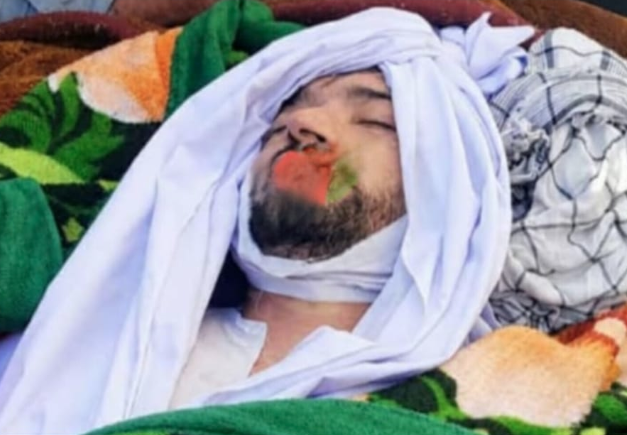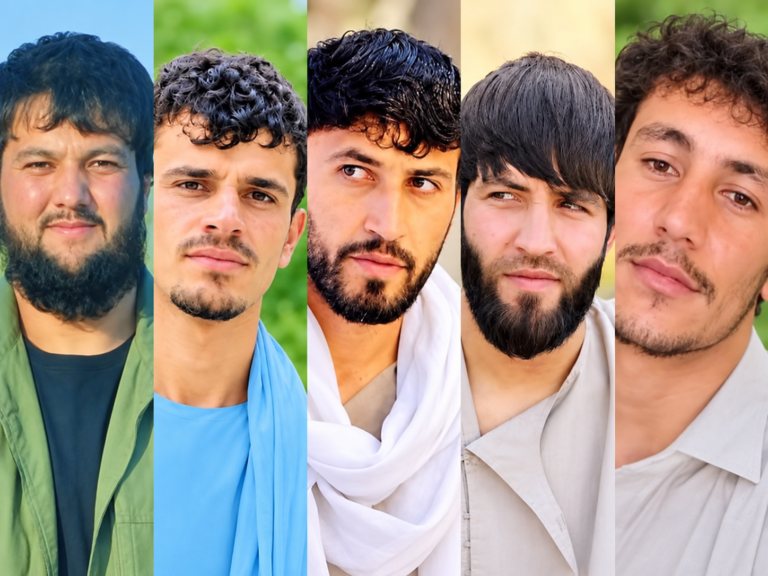
KABUL / PESHAWAR — The Afghanistan Freedom Front (AFF) has condemned the fatal shooting of six young men from Panjshir province in Kabul’s Karte Naw area as a summary, extrajudicial execution, calling on the United Nations and human rights organizations to conduct an independent investigation.
In a statement issued after the incident on Wednesday, 4 Qaws 1405 (November 25, 2026), the anti-Taliban group said the six victims—described as relatives and friends originally from Panjshir—were shot dead by Taliban gunmen while returning from a wedding party in Kabul’s eighth police district (PD8). The group rejected official Taliban claims that the men were armed robbers killed during an exchange of fire, insisting no armed clash took place at the scene.
Key allegations and conflicting accounts
The Freedom Front’s statement, alongside accounts from relatives and local sources reported by Afghan media outlets, presents a stark contrast to the official version given by Taliban security officials:
- Disputed Narrative of an Armed Clash: Taliban police spokesman Khalid Zadran stated that forces killed six alleged “armed thieves” after they ignored orders to stop, claiming three pistols and two knives were seized. The Freedom Front and relatives disputed that account, stating the men were civilians heading home from a wedding celebration and that no firefight occurred.
- Allegations of Ethnic Targeting and Due Process Violations: The Freedom Front argued that the victims were killed without trial or opportunity for defense and asserted that their ethnic and regional background as Panjshiris played a role in the shooting.
- Withheld Bodies and Silence Pledges: Relatives and the Freedom Front alleged that Taliban forces kept the victims’ bodies for roughly 24 hours before handing them over and pressured bereaved families to pledge not to speak publicly or to the media about the incident.
- Call for UN and Rights Scrutiny: The front urged the UN, the United Nations Assistance Mission in Afghanistan (UNAMA), and the UN Special Rapporteur on human rights in Afghanistan to investigate, document the deaths, and seek accountability—adding to condemnation already voiced by relatives, the Panjshir Studies Centre, and Afghan diplomatic missions abroad.
Broader context of rights concerns and security in Kabul
The dispute follows similar controversies in Kabul and other provinces over Taliban checkpoint shootings, night raids, and police operations where official claims of confronting armed criminals have been contested by families and witnesses. Human rights organizations and UN monitors have repeatedly raised concerns over extrajudicial killings, arbitrary detentions, restrictions on reporting, and the absence of transparent, independent investigations into contested fatalities across Afghanistan.