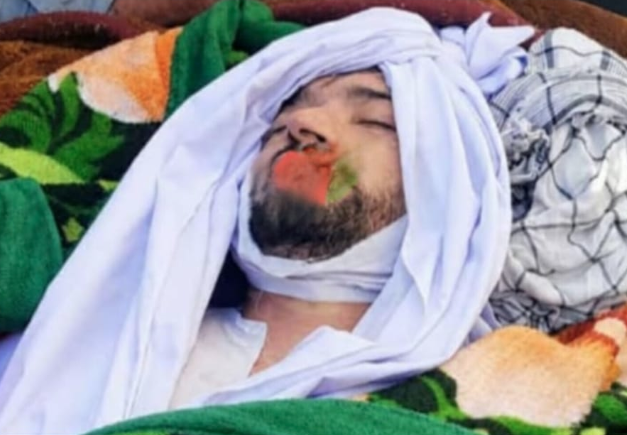
KABUL / PESHAWAR — The Afghanistan Freedom Front (AFF) has announced that Taliban gunmen shot and killed six young men from Panjshir province in the Kart-e Naw area of Kabul while they were returning home on Wednesday, 4 Qaws (November 25, 2026).
In a statement released on Saturday, 7 Qaws (November 28, 2026)—whose text cuts off mid-sentence in the submitted dispatch—the anti-Taliban group stated that the six victims were targeted in Kabul’s eighth police district (PD8) while returning from a wedding party, rejecting official Taliban claims that the men were armed thieves killed in an exchange of fire.
Key details from the Freedom Front’s statement and local reports
Accounts from the Freedom Front’s Saturday statement, alongside corroborating details reported by local sources and relatives, outline the circumstances surrounding the incident:
- Date and Location of the Shooting: According to the Freedom Front’s 7 Qaws statement, the six Panjshiri youths were shot dead on Wednesday, 4 Qaws, in the Kart-e Naw neighborhood of Kabul’s PD8 while returning from a wedding gathering.
- Disputed Circumstances at the Checkpoint: Local sources speaking to Afghanistan International noted that Taliban personnel opened fire after the group’s vehicle failed to stop at a checkpoint—with sources indicating one of the men was carrying a pistol and feared being searched. Taliban police spokesman Khalid Zadran claimed security forces killed six “armed thieves” in a firefight, whereas the Freedom Front maintained no armed clash took place.
- Call for UN Investigation and Family Allegations: In the fuller text of its statement, the Freedom Front accused Taliban forces of withholding the victims’ bodies overnight, forcing relatives to sign pledges not to speak to the media, and targeting the youths based on their Panjshiri origin—urging the United Nations, UNAMA, and human rights monitors to launch an independent investigation.
Broader context of checkpoint shootings in Kabul
The killings have drawn sharp condemnation from Panjshiri civil and research groups, including the Panjshir Studies Centre, which described the incident as an extrajudicial killing without due process. The case adds to recurring disputes in Kabul and other provinces over the use of lethal force by Taliban checkpoint patrols and the absence of independent investigations into civilian fatalities.