

Afghanistan’s northeastern province of Badakhshan is emerging as a significant security challenge for the Taliban, with fighting, political tensions and growing anti-Taliban activity intensifying since June 2026.
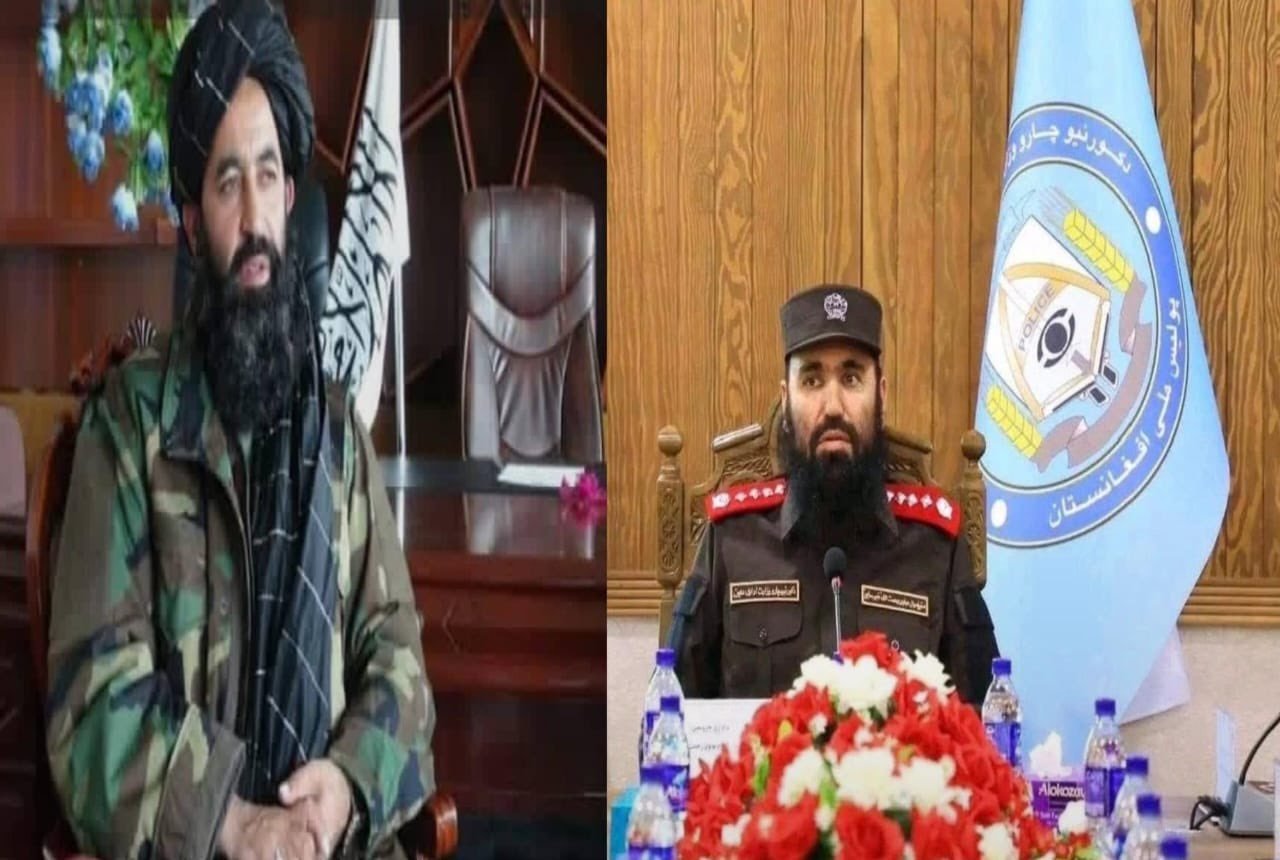
Security conditions reportedly deteriorated further in August. Yaftal was temporarily lost, fighting continued in Zebak, while clashes persisted in Darwaz and Nusay. Two senior officials were also assassinated. In response, the Taliban recently replaced both the provincial governor and police chief.
The district police chief told the BBC that around 600 Taliban fighters had recently been deployed to the area. The scale of the deployment highlights the continuing security concerns in the remote province.
Another major challenge came from influential Taliban commander Juma Khan Fateh, who reportedly resisted disarmament. Around 600 fighters were involved in the dispute, while Fateh’s brother allegedly fled into the mountains with approximately 300 armed men. Fateh later surrendered after receiving assurances from senior Taliban figures, including army chief Fasihuddin Fitrat and Helmand governor Aminuddin. His current situation remains unclear.
Meanwhile, anti-Taliban groups are increasing their activities. The Afghanistan Freedom Front has expanded operations in Badakhshan, while other armed groups have reportedly seized territory temporarily.
The assassinations of Faizabad’s mayor and the provincial director of information and culture have further demonstrated the vulnerability of Taliban officials.
Kandahar has responded by appointing Haji Rahmatullah Najib as governor and Ahmad Shah Deendost as police chief, tasking them with restoring control and dismantling independent armed networks.
Badakhshan’s strategic location, bordering Tajikistan, Pakistan and China, means prolonged instability could have wider regional consequences, particularly for Central Asia, Chitral and China’s Wakhan frontier.