

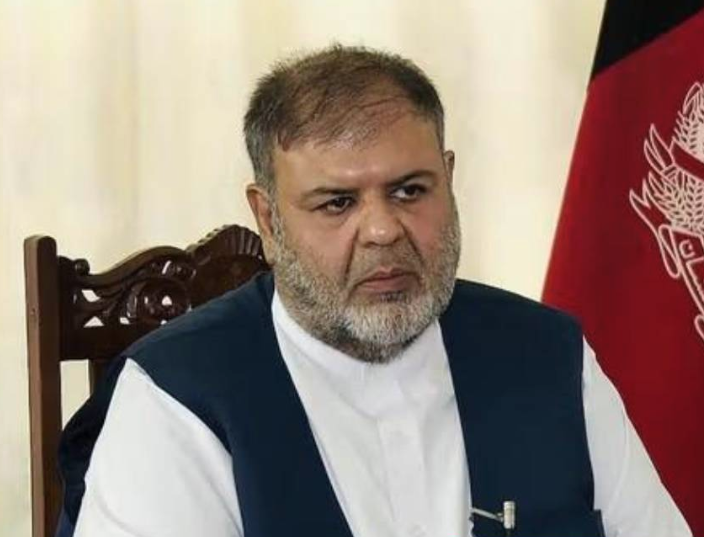
Abdul Karim Khorram, former Minister of Information and Culture of the Republic of Afghanistan and senior political analyst, stated that political realignments and electoral outcomes in the United States could spark significant shifts in active conflict zones in Ukraine and Iran, with direct geopolitical ramifications for Afghanistan.
Analyzing international foreign policy trajectories, Khorram highlighted that while the broader regional consequences could yield either stabilizing or disruptive outcomes for Afghanistan, the ultimate impact will depend heavily on evolving strategic decisions in Washington and regional capitals.
Escalation risks in Ukraine and shifts in US-Iran confrontation
Khorram pointed to strategic postures within the US national security establishment, intelligence agencies, and conservative policy circles across both major American political parties:
- Intensification of the Ukraine Conflict: Based on policy directives and defense allocations in Washington, Khorram noted that military engagement in Ukraine may become more intense as Western security institutions seek to assert geopolitical leverage.
- Prolonged US-Iran Tension: The former minister assessed that the nature of the confrontation between the United States and Iran is likely to evolve into a prolonged, hybrid struggle, influencing security dynamics across the Persian Gulf and broader South-Central Asia.
- Geopolitical Spillover on Afghanistan: Khorram emphasized that any structural shifts in global conflict priorities directly affect Afghanistan, altering regional diplomatic alignments, trade corridors, and security cooperation among neighboring states.
Conditional factors, executive power, and regional escalations
The former minister outlined critical contingencies that could radically alter standard political calculations and accelerate regional instability:
- Contingency of Military Escalations: Khorram stressed that his assessment remains conditional on whether top leadership in Washington and Israeli Prime Minister Benjamin Netanyahu refrain from initiating uncalculated military strikes against Iranian infrastructure or deploying unconventional weapons capabilities.
- Disruptive Potential of Unconventional Warfare: Any sudden military escalation or direct strike on Iranian targets would immediately redraw regional security parameters, heightening border vulnerability and economic disruption for adjacent nations, including Afghanistan.
- Preservation of Institutional and Civilian Authority: Highlighting the enduring influence of US executive authority and national security apparatuses regardless of specific electoral outcomes, Khorram observed that military and civilian power dynamics in Washington continue to shape international security strategy.
Political observers note that Khorram’s analysis reflects growing concern among Afghan foreign policy experts that intensifying global rivalries between major powers may further marginalize international attention on Afghanistan’s ongoing political and economic crisis.