

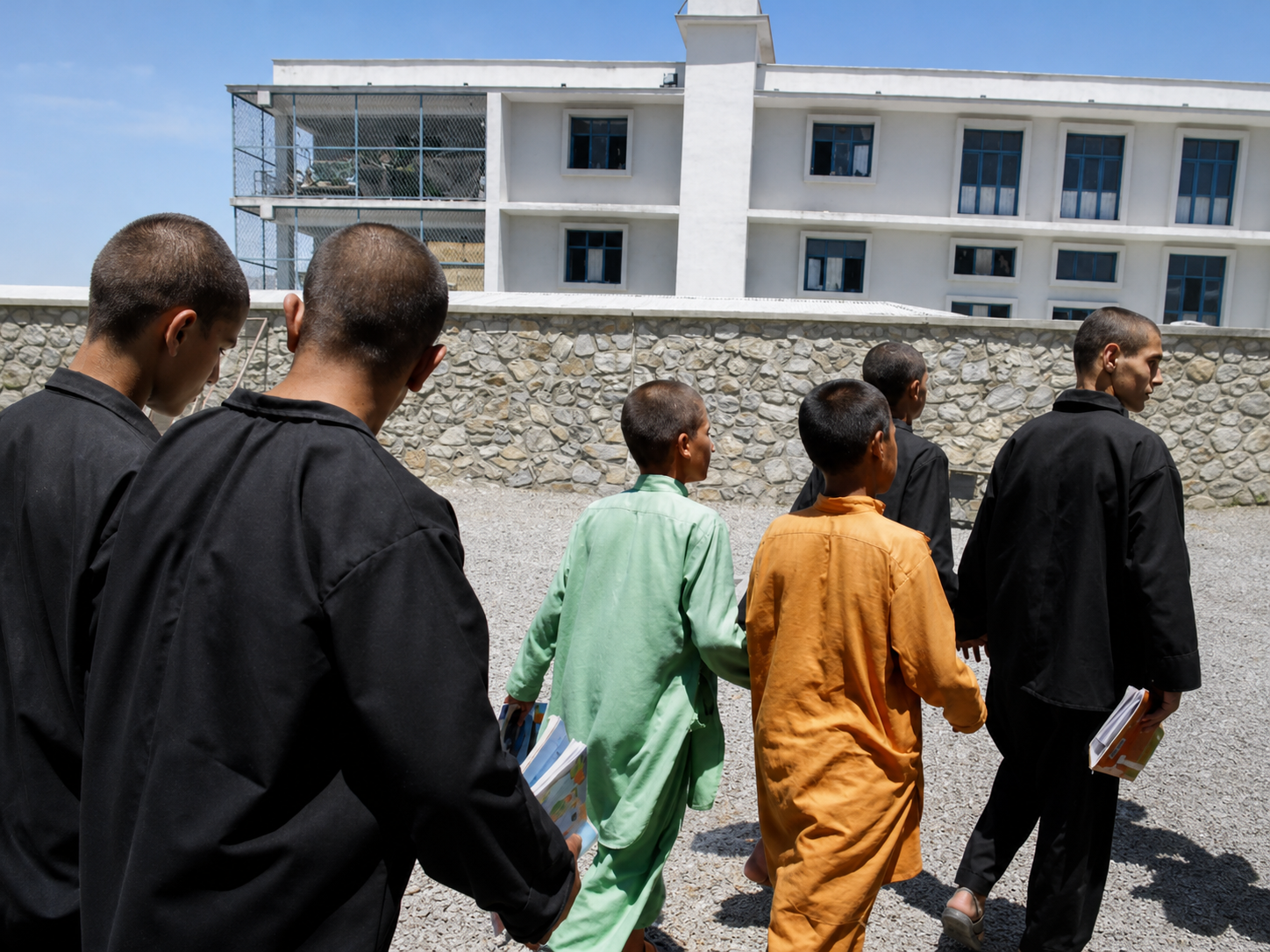
De facto authorities in Afghanistan have initiated the structural transfer of all juvenile reform and rehabilitation centers (Dar al-Tadib) from the General Directorate of Prison Affairs to the Ministry of Justice, following an administrative decree issued by supreme leader Mullah Hibatullah Akhundzada.
According to an official statement from the Ministry of Justice, a dedicated executive committee has been established to oversee the complete transition of administrative, logistical, and operational responsibilities across Kabul and provincial branches.
Comprehensive Operational Transfer
The decree mandates an absolute handover of organizational assets, infrastructure, and human resources from penal authorities to the justice ministry:
- Asset and Infrastructure Handover: The Ministry of Justice will assume full ownership of all center facilities, vehicles, administrative equipment, and official documentation.
- Personnel and Budget Integration: All staff members, administrative structures, and operational budgets allocated for juvenile correction are being reallocated directly under the Ministry of Justice’s organizational chart.
- Implementation Committee: A newly formed joint committee has commenced technical assessments to execute the handover without disrupting ongoing operations or custody management.
Scale of the Juvenile Detention Network
While the Ministry of Justice did not state the current total number of active facilities, historical data from the General Directorate of Prison Affairs confirms that juvenile reform centers operate across all 34 provinces.
- Detainee Population: As of 2024, the General Directorate reported housing approximately 1,500 children and adolescents within these rehabilitation facilities nationwide.
- Kabul Facility: The primary juvenile reform center in Kabul alone housed 333 minors during the same period, representing the largest single concentration of detained youth in the country.
Human rights monitors and judicial observers are tracking the management shift closely. While the transfer restores the pre-2020 legal framework that placed juvenile rehabilitation under civil justice rather than strict penal administration, questions remain regarding the educational curriculum, religious indoctrination policies, and legal protections that will be enforced under the Ministry of Justice’s oversight.