

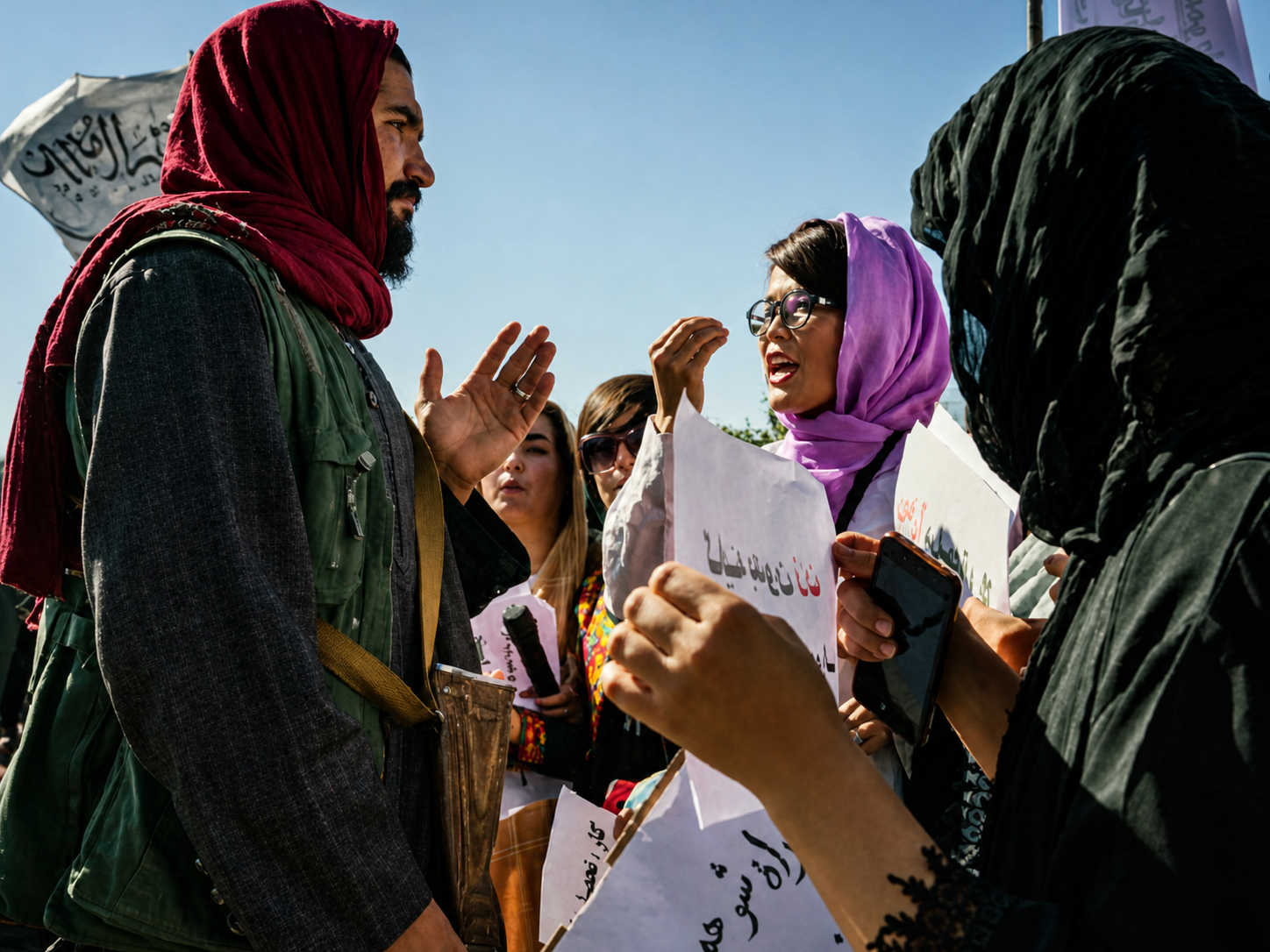
Addressing the High-Level Open Debate on “Women, Peace, and Security” at United Nations Headquarters in New York, UN Women Deputy Executive Director Nyaradzayi Gumbonzvanda categorized the expanding crisis of women’s and girls’ rights in Afghanistan as the world’s most severe and unprecedented human rights breakdown.
Gumbonzvanda issued a sharp critique of the de facto authority’s exclusionary decrees, warning that systematically stripping half of the population of fundamental rights to secondary and higher education has driven the country’s national development into a dead end.
Social Exclusion and Systemic Impunity
The UN executive highlighted that the systematic erasure of women from public life has reached unprecedented levels, demanding an immediate restructuring of global diplomatic strategy:
- Prerequisite for Sustainable Peace: Gumbonzvanda asserted that achieving long-term stability in Afghanistan is impossible without the equal, direct, and institutional inclusion of women at peace negotiation tables and executive decision-making bodies.
- Disproportionate Impact of Global Conflicts: Highlighting recent verified global metrics, Gumbonzvanda noted that among more than 37,000 civilians killed in active conflict zones in 2025, 25 percent were women and young girls.
- Surge in Conflict-Related Violence: UN tracking verified nearly 10,000 cases of conflict-related sexual violence during the same annual period, underscoring severe vulnerability across unstable regions.
Strategic Imperatives for International Action
To counter systemic gender-based persecution, UN Women called on international stakeholders to transition from passive statements toward structural support mechanisms:
- Direct Operational Funding: Redirecting global financial resources directly to grassroots, independent women’s organizations and civil rights networks operating under extreme pressure.
- Institutional Inclusion Mandates: Guaranteeing that no multilateral peace talks or diplomatic normalization efforts proceed without mandatory, binding participation quotas for women leaders.
- Legal Protection Frameworks: Constructing robust international enforcement umbrellas to protect vulnerable girls and hold accountable administrative regimes that institutionalize gender discrimination.
Gumbonzvanda concluded by urging the UN Security Council to dismantle impunity structures, warning that allowing the complete denial of basic freedoms to continue in Afghanistan permanently undermines international legal standards.