

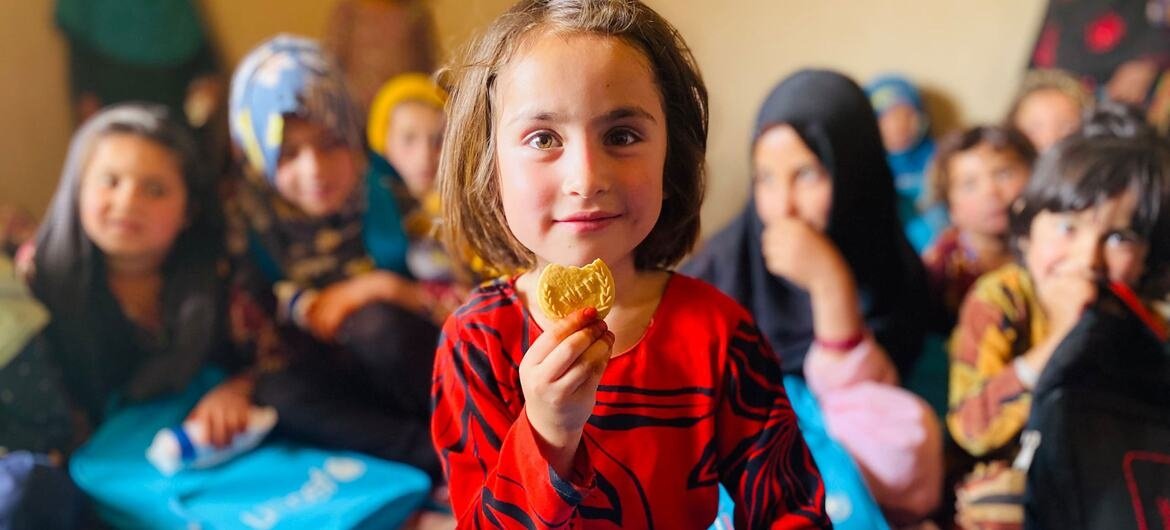
Millions of children in Afghanistan are facing a severe malnutrition crisis, with an estimated 3.7 million children suffering from acute forms of malnutrition. Among them, around one million are reportedly experiencing life-threatening levels of malnutrition.
The crisis is being worsened by multiple factors, including climate-related shocks, regional instability and significant reductions in humanitarian funding. These pressures are making it increasingly difficult for aid organizations to provide adequate nutrition support to vulnerable children and their families.
Afghanistan has faced years of humanitarian challenges, with poverty, displacement, food insecurity and limited access to essential services placing children at particular risk. Climate shocks, including droughts and extreme weather events, can further damage livelihoods and reduce families’ ability to secure sufficient food.
At the same time, funding cuts are putting additional pressure on humanitarian organizations already struggling to meet growing needs. Reduced financial resources can limit access to therapeutic food, medical treatment and other essential services required by children suffering from severe malnutrition.
The situation is particularly concerning for children facing the most serious forms of malnutrition, as delays in treatment can significantly increase the risk of severe health complications and death.
Humanitarian agencies continue to face the challenge of responding to Afghanistan’s expanding needs while resources remain limited. Without sustained international support and adequate funding, efforts to address child malnutrition could face further setbacks.
The growing crisis highlights the urgent need for continued humanitarian assistance to protect Afghanistan’s most vulnerable children and prevent severe malnutrition from becoming even more widespread.