

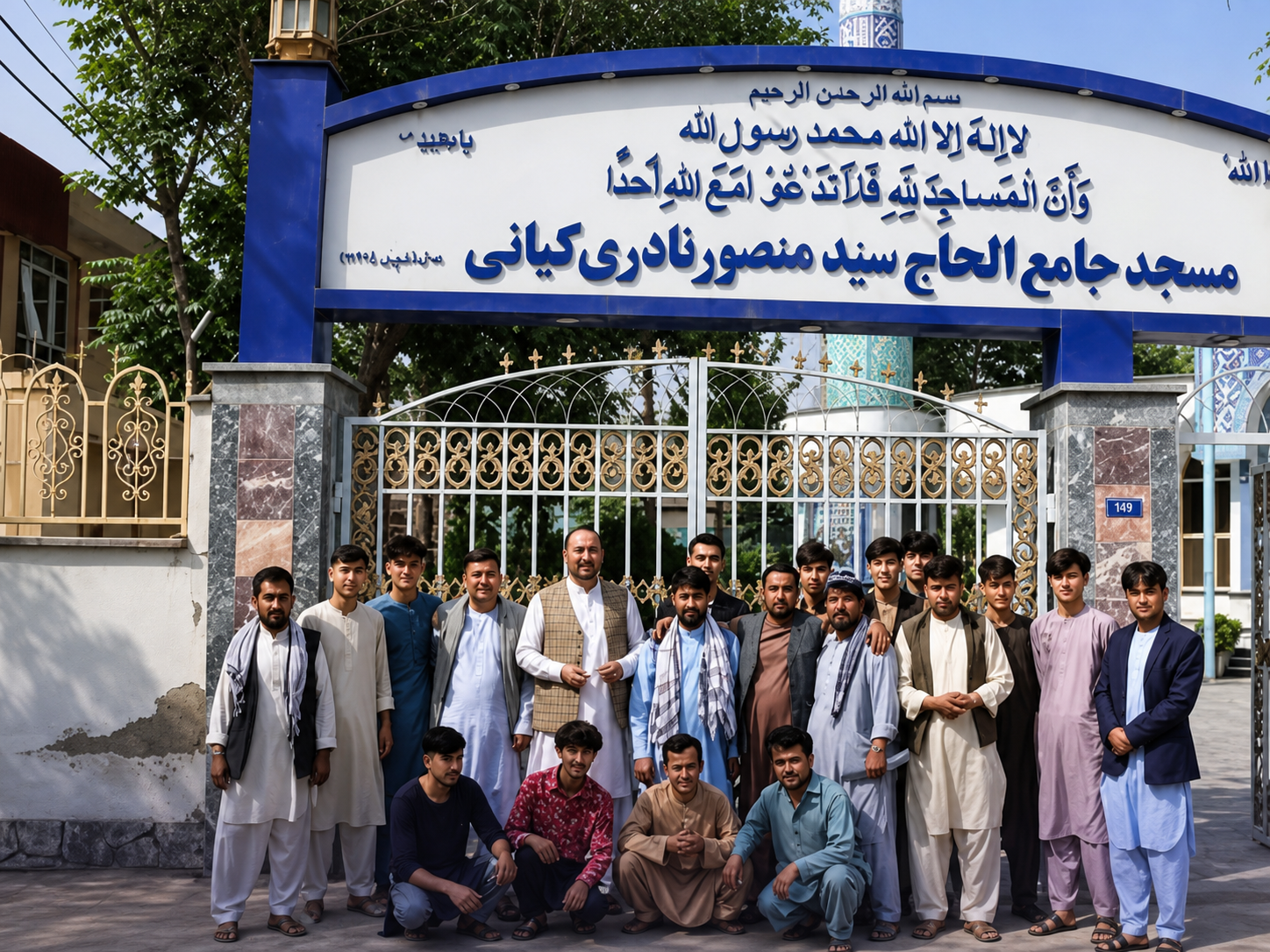
In an accelerating campaign targeting non-Sunni religious institutions, de facto authorities have forcibly closed 34 Ismaili community prayer halls (Jamatkhanas) across Badakhshan and Takhar provinces, while simultaneously confiscating a prominent Shia seminary in Kabul to convert it into a state-controlled religious school.
The coordinated actions mark a severe escalation in institutionalized religious repression, effectively stripping Shia and Ismaili communities of basic worship rights, legal protections, and communal gathering spaces across northern and central Afghanistan.
Closure of Ismaili Jamatkhanas in the North
According to local sources and UN human rights monitoring reports, de facto security officials systematically sealed 34 Ismaili Jamatkhanas across rural districts of Badakhshan and Takhar over recent months:
- Forced Shutdowns & Protests: Local Ismailis report being barred from entering their long-standing places of worship and community assembly, sparking localized protests and mounting anger among followers who face increasing pressure to assimilate into state-sanctioned Sunni frameworks.
- Systemic Margalization: The closures follow a pattern of targeted harassment against Ismaili leaders, forced curriculum changes in local schools, and the dismissal of Ismaili civil servants in Badakhshan.
- International Concern: UNAMA and human rights organizations have repeatedly warned that the systematic closure of Jamatkhanas violates fundamental freedom of religion or belief, leaving minority communities vulnerable to state-backed coercion.
Seizure and Conversion of Kabul’s Khatam al-Nabieen Seminary
In Kabul, Ministry of Justice forces surrounded and cleared the Khatam al-Nabieen (Khatam-ul-Anbia) complex—one of the largest and most significant Shia religious and educational institutions in the capital:
- Expropriation & Desecration: De facto authorities forcibly evicted scholars, administrators, and students, converting the facility into a state-run Sunni madrasa and banning Shia worshippers from holding religious services on the premises.
- Detention of Clerics and Elders: Several senior Shia scholars, instructors, and members of the High Commission of Shias were detained during the raid, further dismantling independent Shia administrative leadership in the capital.
- Public Outrage: Demonstrations erupted outside the compound following the evacuation order, with Shia representatives condemning the move as an arbitrary land-grab designed to enforce single-sect hegemony and erase Ja’fari jurisprudence from public life.
Narrowing Space for Religious Pluralism
The dual actions against Ismaili Jamatkhanas and Shia seminaries illustrate the de facto administration’s uncompromising effort to impose its strict, ultra-conservative interpretation of Hanafi doctrine across all public life. By dismantling the physical infrastructure of religious minorities, de facto authorities continue to deepen domestic discontent and heighten sectarian friction throughout the country.